In this article we cover:
- Choosing a main contractor
- The warning signs homeowners didn’t see
- When the builder went bust
- Paying twice for work
- Losing access to mortgage funds
- The missing NHBC certificate
- Finding a way to finish the build
- Taking on the project themselves
- Lessons learned from the experience
Everything was going to plan
When Anita and Mark Jones began building their 3,500sqft home, they thought they had taken the stress out of the process.
They had employed a recommended builder, agreed a fixed price and expected the house to be completed in around 18 months.
“Our friends had recently built their own home and recommended their builder to us,” says Anita.






The contractor’s price was competitive for the size of the house and the couple had opted for an almost turnkey finish.
They were cautious about the timeline, allowing for the possibility that the 18-month estimate could stretch to two years.
But they had no idea that their biggest problem wouldn’t be a delay, rising material costs or a design change.
It would be their builder going bust.
The bombshell
With the house almost complete, everything appeared to be progressing as planned.
The couple had made their third mortgage drawdown and paid their contractor.
Then, just days later, they received a phone call from their plumber.
The contractor’s firm had gone bust.
Suddenly, the couple were facing a situation they hadn’t planned for.
Creditors began contacting them about payments they believed had already been made.
But the financial implications were even more serious.
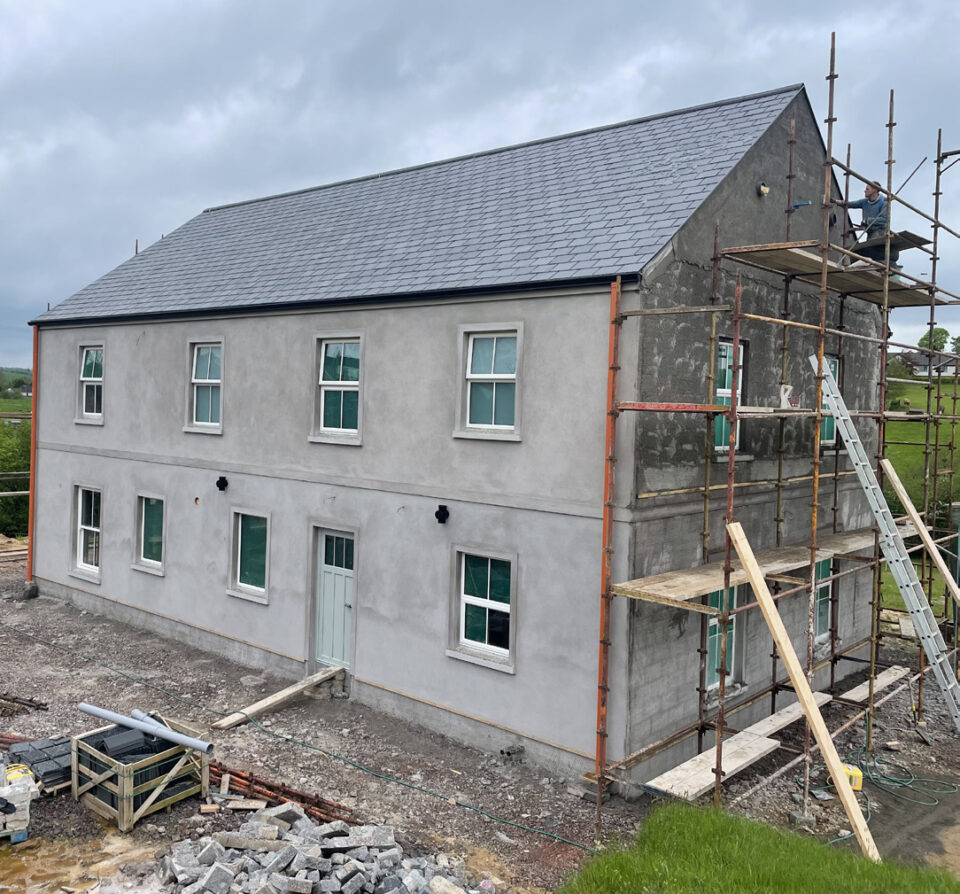
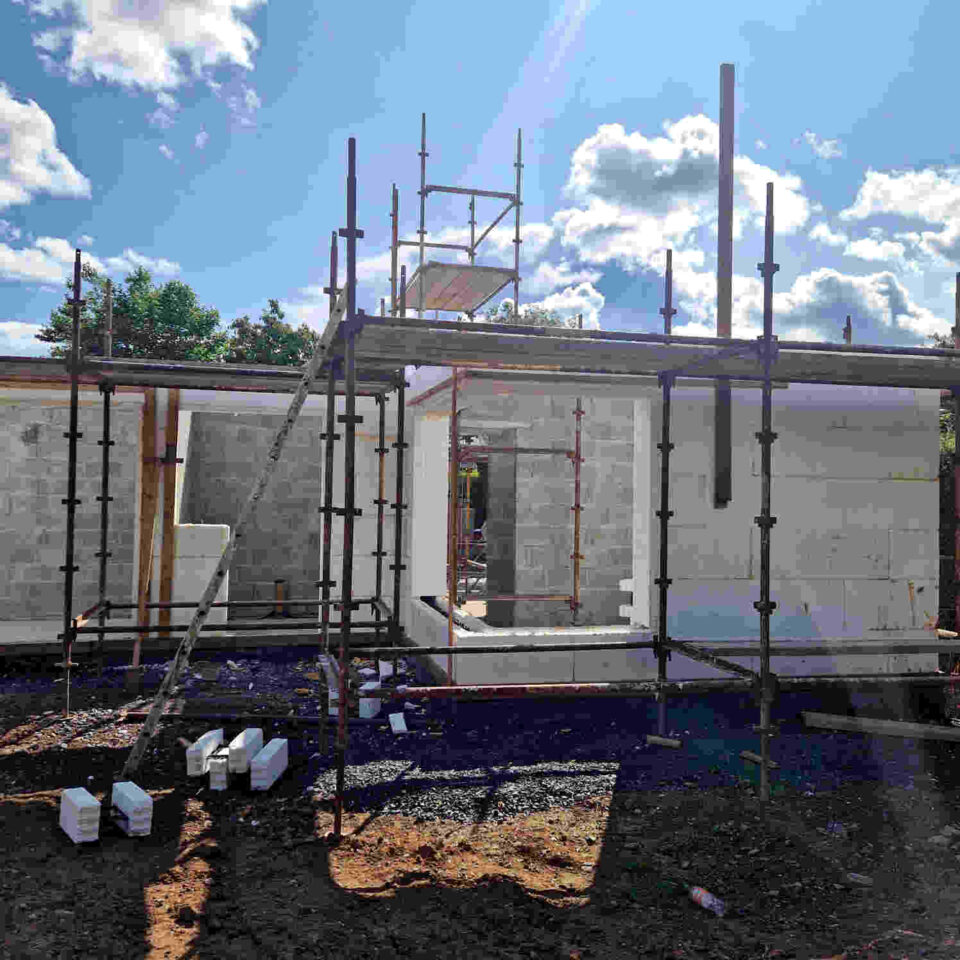
The house wasn’t finished.
There was no front door, no back door and no stairs.
And because the latest mortgage payment had already been released, the mortgage company wouldn’t release another drawdown until the house was completed and signed off.
The couple were effectively trapped.
They needed money to finish the house, but couldn’t access the remaining mortgage funds until the house was finished.




Paying twice
With the original contractor gone, Anita and Mark had to start figuring out how to finish the house themselves.
A family friend who worked as an electrician stepped in to help, using his industry contacts to organise trades and keep the project moving.
But the problems didn’t stop there.
The couple discovered that some work they believed had already been paid for would have to be paid for again.
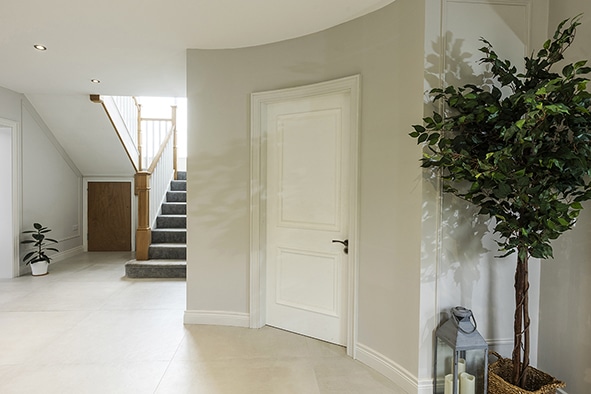
The stairs were one of those jobs.
They had been paid for through the original contractor but were withheld following the company’s collapse, meaning Anita and Mark had to pay for them a second time.



Another problem: the missing certificate
Just when they thought they were beginning to get the project back on track, another issue emerged.
The couple had paid £3,500 to their original builder to arrange an NHBC certificate.
But the builder had never actually applied for it.
That created another obstacle when Anita and Mark tried to find someone to take over the unfinished build.
Potential contractors wanted to see the certificate because it provided cover for work that had already been carried out.
Without it, the mortgage couldn’t be signed off either.
The couple eventually had to pay for a retrospective house guarantee.


A house nobody could live in
For a couple of months, Anita and Mark had a particularly difficult situation on their hands.
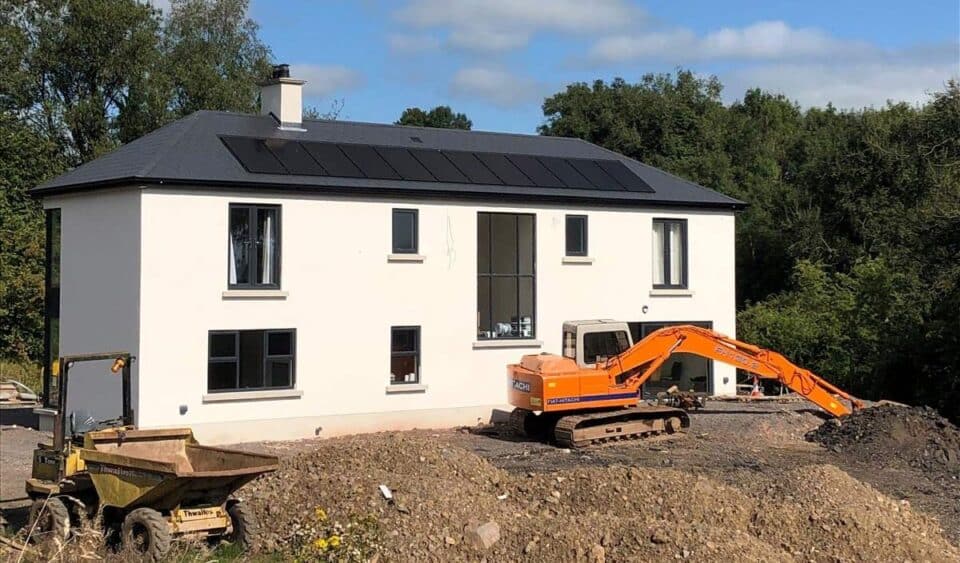
They had a house that was almost finished.
But they couldn’t live in it.
And they couldn’t finish it because they didn’t have the money available to do so.
Rather than waiting for someone else to solve the problem, Anita took on the role of project manager.
She began organising the remaining work and even took on some of the jobs herself.
That included:
- Finishing the loft insulation
- Tiling
- Painting the hallway
- Coordinating trades
- Working with friends and family to complete the house
Slowly, the project began moving forward again.
From contractor-led to direct labour
What started as a contractor-led self-build had become something completely different.
Anita and Mark were now effectively managing the project themselves.
It was something they had deliberately avoided at the beginning.
“When we started the whole self-build journey, we thought it was going to be fairly straightforward,” says Anita.
They had chosen an experienced recommended builder because they didn’t want the responsibility of managing the build themselves.
Then, completely unexpectedly, they had no choice.
“We employed a recommended builder, we were happy with his work, and then, out of the blue, it all went wrong.”
With help from friends, family and industry contacts, they eventually completed enough of the work to move in and release the final mortgage funds.


The house eventually became home
Despite everything that happened, the story doesn’t end with an unfinished house.
The Jones family eventually moved in and began settling into their new home.
There were still jobs to finish.
Anita had some bare plaster remaining upstairs and other decorative work still to tackle.
But after everything they had been through, those unfinished details were no longer a major concern.
The biggest problem was behind them.
And the experience had changed Anita’s view of what homeowners can take on themselves.
“My husband has absolutely zero experience of any of this. I have an interest in it, but it doesn’t mean I know what I’m doing.”
Her advice?
Ask questions, get expert help when you need it and don’t be afraid to figure things out as you go.