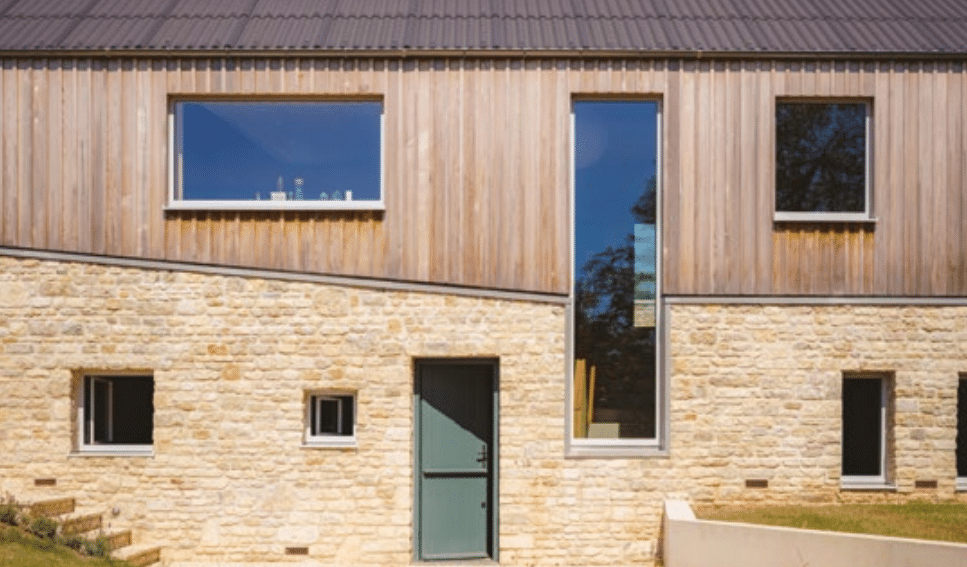
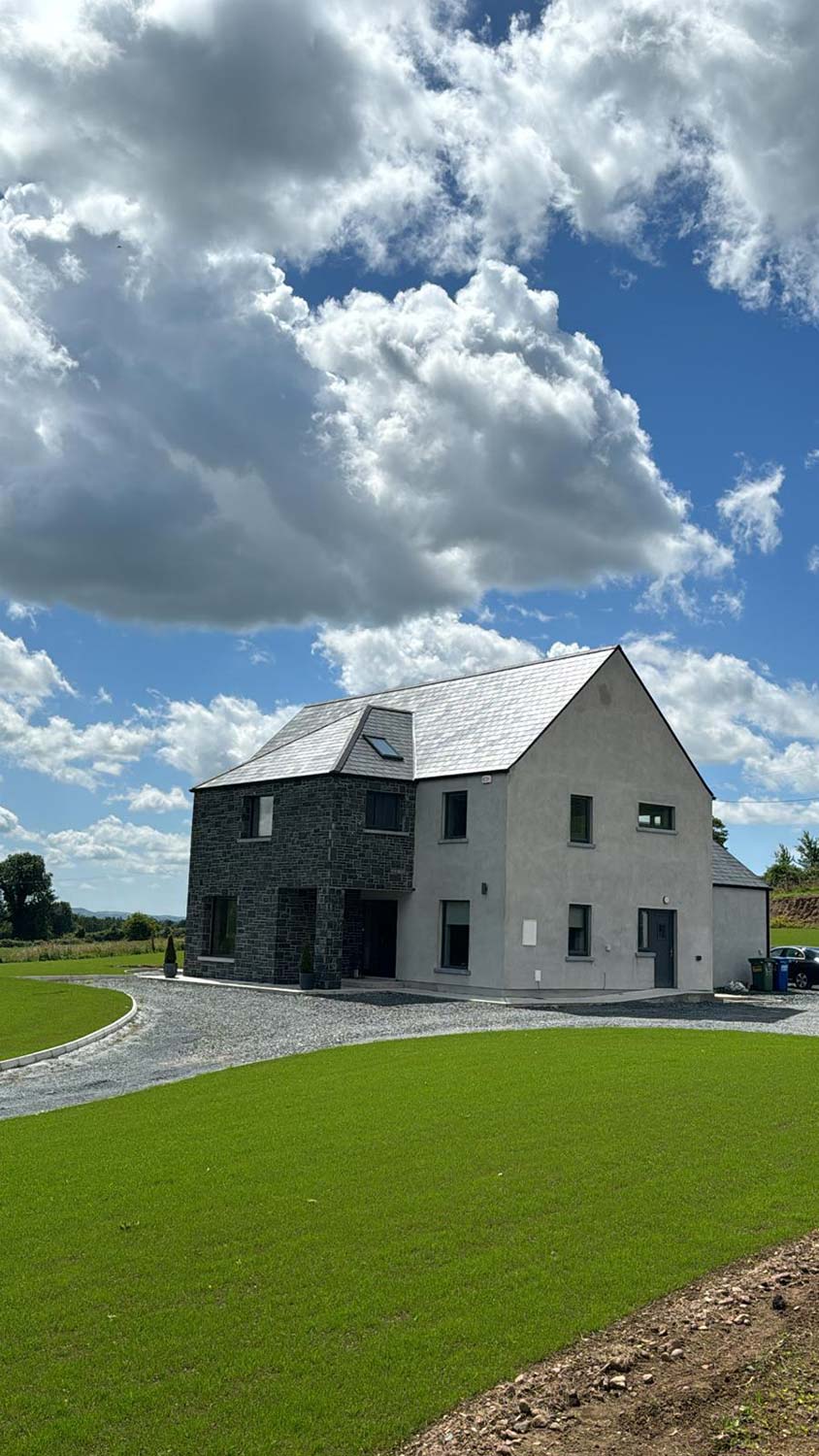
Building your dream home should be an exciting milestone, but the reality of a self-build can sometimes be far from the picture-perfect vision you imagined.
In this article we cover:
- The unexpected costs that can throw your self-build budget off track.
- The hidden site issues that could cause expensive surprises.
- The warning signs to look out for when choosing a contractor.
- The construction problems that could turn into costly mistakes.
- The seemingly small changes that can lead to bigger delays and complications.
1. The Budget That Runs Out Before the House Is Finished
Imagine getting close to completing your dream home, only to realise you’ve run out of money before the finishing touches are in place. The kitchen isn’t finished, the driveway is still unfinished and your budget has nothing left to give.
Underestimating the total cost of a self-build is a common risk, particularly when you focus on the main construction work and forget about everything else. Professional fees, utility connections, landscaping, driveways and internal finishes can all add to the final bill.
Unexpected expenses can make matters worse if you haven’t allowed any breathing room in your finances.
How to avoid this nightmare: Start with a detailed budget that accounts for the entire project, not just the cost of building the house. Get professional cost estimates, account for expenses beyond construction and set aside a contingency fund for unexpected problems.
2. The Site That Hides an Expensive Surprise
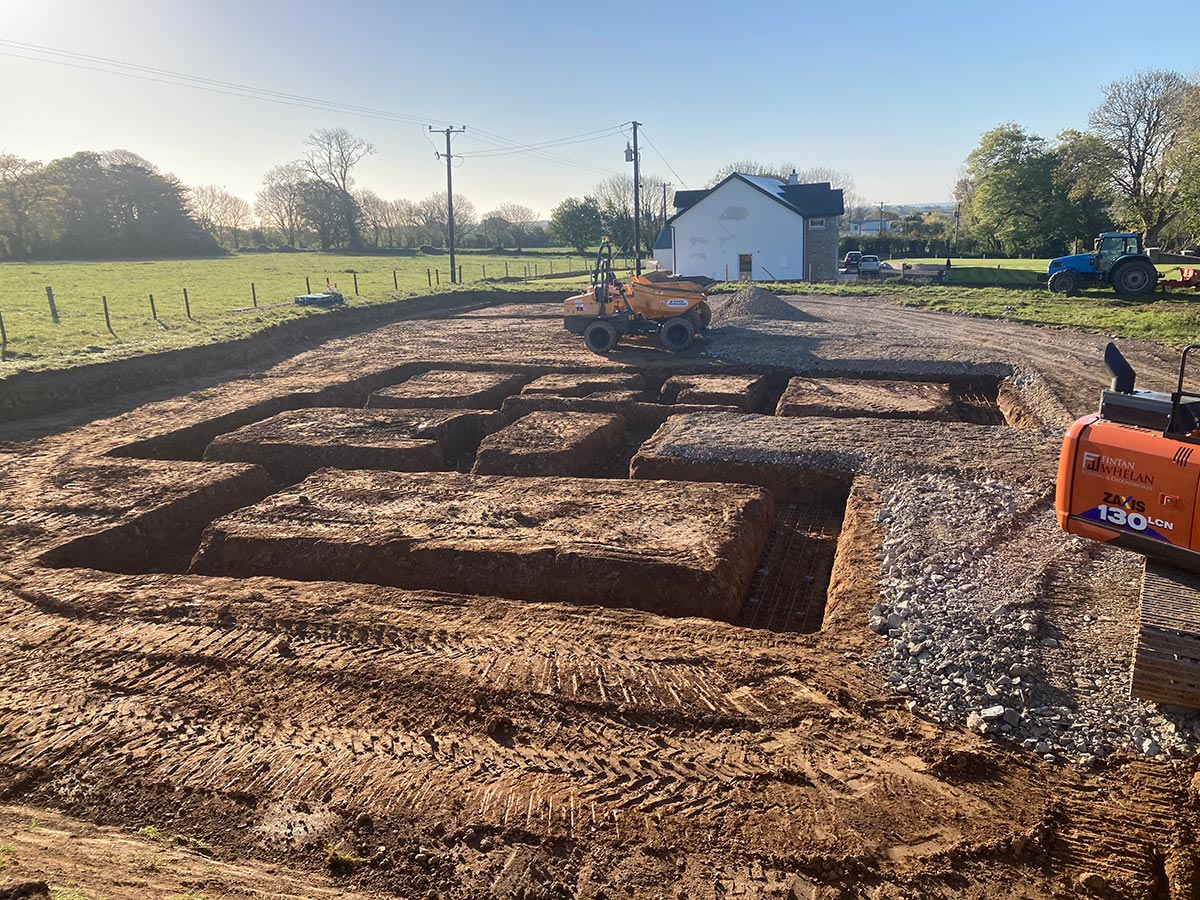
You’ve found your perfect plot, secured your plans and are ready to start building. Then the groundwork begins, and you discover that the site isn’t as straightforward as you thought.
Difficult ground conditions, unexpected rock, drainage complications or challenging site levels can all affect the work required before your house can take shape. Connecting utilities can also prove more complicated or expensive than anticipated, particularly where services are not readily accessible.
These problems can affect both your budget and your construction schedule, making early site investigations essential.
How to avoid this nightmare: Investigate the site before committing to your plans. Speak to your design team about ground conditions, foundations, drainage, access and utility connections. Appropriate surveys and professional advice can help identify potential complications before they become expensive surprises.
3. The Contractor Who Leaves You in the Lurch
Your build is underway, but things aren’t going to plan. Work falls behind schedule, communication breaks down and you’re struggling to get clear answers about when the next stage will be completed.
Choosing the wrong contractor can turn an exciting project into a stressful experience. Problems can range from disagreements over costs and timelines to poor workmanship or a contractor failing to complete the agreed work.
With so much money and time invested in your home, the consequences can be significant.
How to avoid this nightmare: Don’t choose a contractor based on price alone. Check references from previous clients, review examples of completed work, verify appropriate insurance and discuss the proposed timeline before making a decision. Make sure you have a clear written contract covering the scope of work, costs, payment arrangements and how changes will be handled.
4. The Construction Mistake You Discover Too Late
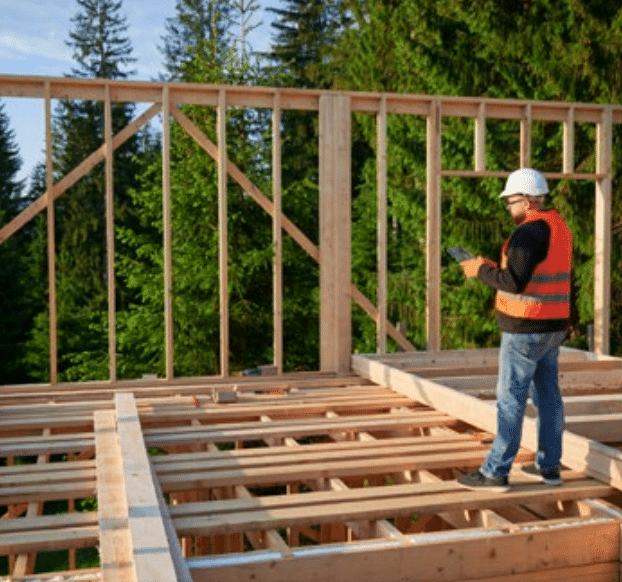
The walls are up, the finishes are going in and you’re starting to picture yourself moving in. Then you discover a problem with the workmanship or realise something hasn’t been built according to the plans.
Construction mistakes can be frustrating, particularly when they aren’t spotted until later stages of the build. Correcting them may involve removing completed work, bringing tradespeople back to the site or paying for repairs that could have been avoided.
Problems with drainage, incorrect installations and details that haven’t been followed properly can all create headaches if they go unnoticed.
How to avoid this nightmare: Make quality control a priority throughout construction. Ensure your design team or other appropriately qualified professionals carry out inspections at the relevant stages, check that work follows the agreed drawings and specifications, and raise concerns as soon as they appear.
5. The Last-Minute Change That Throws Everything Off
You’ve finally started building, but suddenly you want bigger windows, a different kitchen layout or a completely new finish for the exterior.
It might seem like a small change, but making decisions after construction has begun can have knock-on effects. Materials may already have been ordered, completed work may need to be altered and other trades may have to rearrange their schedules.
Even relatively minor changes can add costs and delays, especially when several decisions need to be revisited at once.
How to avoid this nightmare: Spend time finalising your design, layouts, materials and specifications before work begins. If a change becomes necessary, discuss its cost, practical implications and effect on the schedule with your design team and contractor before agreeing to proceed. Keep a written record of approved changes.
Don’t Let Your Dream Home Become a Selfbuild Nightmare
Every self-build comes with decisions to make and challenges to navigate, but careful preparation can help you avoid many unnecessary problems.
Take the time to understand your budget, investigate your site, choose your contractor carefully and make sure your project is properly overseen. Getting the right advice at the right time can save you considerable stress later on.