In this article we cover:
- Understanding how quotes work
- Rules of thumb when specifying windows
- Sizing limits
- Sliding vs hinged
- Mix and match strategies that save money
- Project photographs
Windows and doors have a huge impact on a self-build and have the potential to lift the home to another level. However, working to a tight budget can be a major barrier to getting this just right and unfortunately, as with most things to do with one-off houses it’s impossible to give an average cost.
For windows it completely depends on how many there are in the house, what the expectations are/what kind of finish is expected, and the specification, e.g. triple or double glazed, so it could range from around €/£15-20k to… the sky is the limit. But equally, a big house with lots of windows could cost €/£30k with super low spec uPVC.
For many, choosing a window supplier ultimately comes down to the bottom line – finding the cheapest price – but hunting for the lowest headline quote isn’t the only way to manage your budget.
To truly get the windows you want at the right price, you need to analyse the detailed breakdown of these costs before breaking ground, while you still have the flexibility to alter your plans and window opening sizes.



Understanding quotes
One of the first things to understand is that each window will be a different price based on factors such as size, whether it is opening or fixed, and the type of opening mechanism.
As a starting point, it can be really useful to get a breakdown of the cost of each window rather than just the headline figure; this can bring up surprising results.
You will quickly notice that opening windows are much more expensive than fixed-shut windows, and that large panes of glass can be exponentially more expensive if they become a special order beyond the standard sizes.
Looking at the breakdown can help you work out if there are any windows which, if reduced slightly in size, would be much more affordable, but it can also help you decide if a window needs to open at all, or indeed if it could be taken out altogether.
Windows are so important in a house to ensure they are beautiful, light-filled spaces, and the decision to take out a window altogether should not be taken lightly; it might save you money, but you will be living with the consequences for many years.
Rules of thumb
Building regulation compliance will be worked out with your architect: windows must meet a minimum size, and for rapid ventilation, the opening area must meet the required level for the size of the room.
As a rule of thumb, I always make sure there is a minimum of one openable window in every room; but if the regulations allow, then all others would be fixed. The fixed panes can often be bigger and cost less than an opening one.
Due to these regulation issues, it’s very important to work with your architect to make any of these changes, to ensure you do not have any issues down the line with compliance.
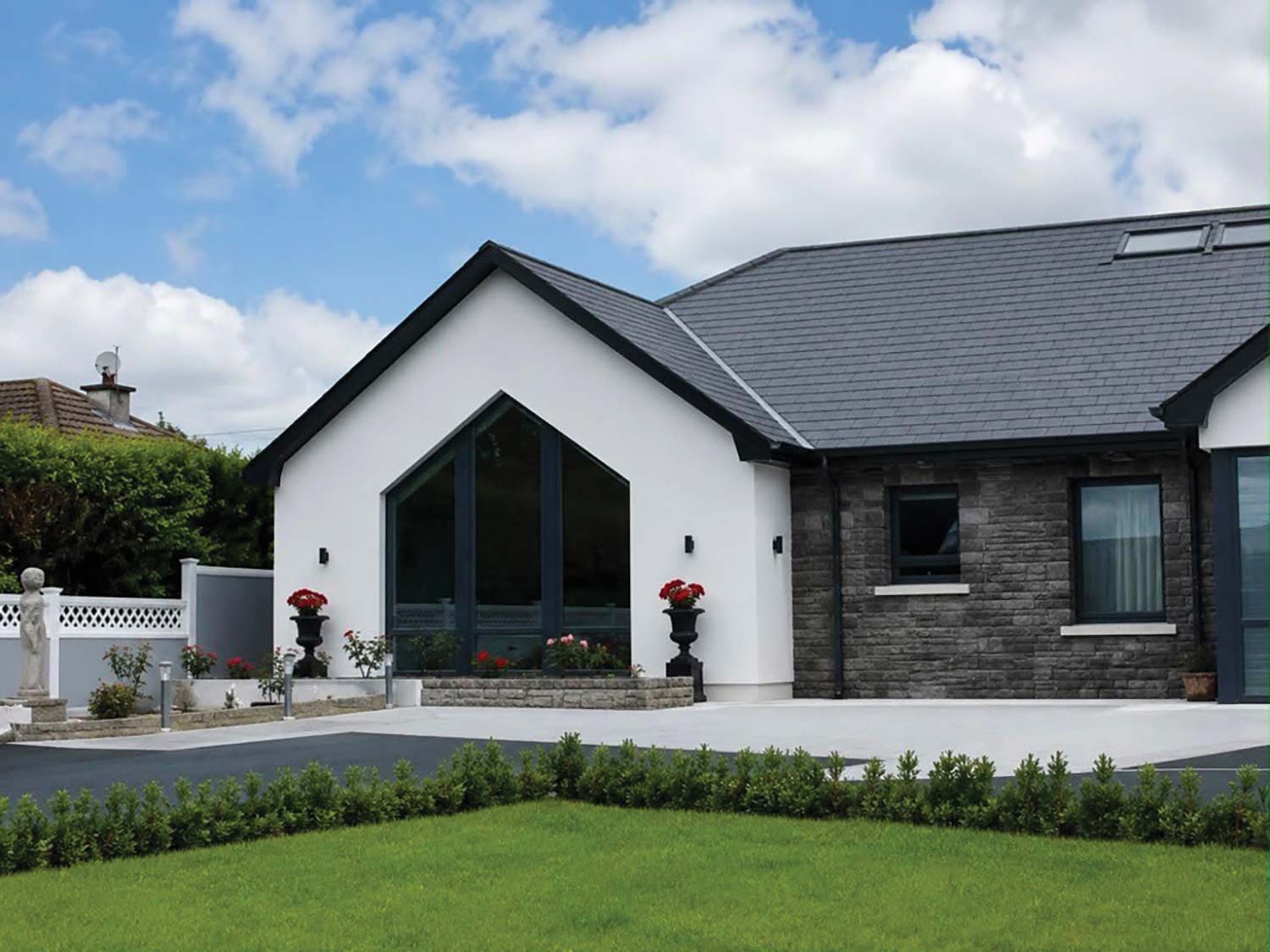
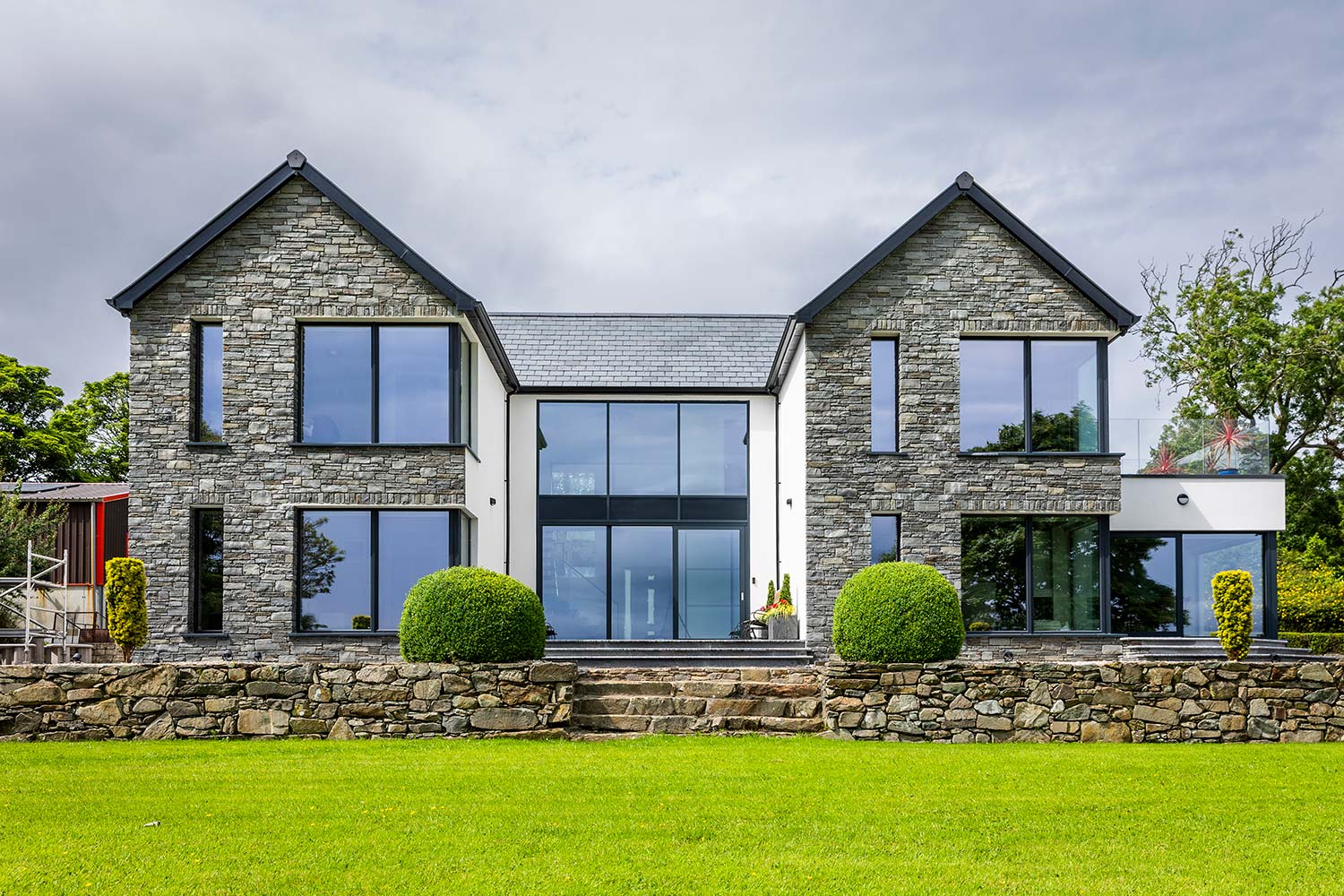
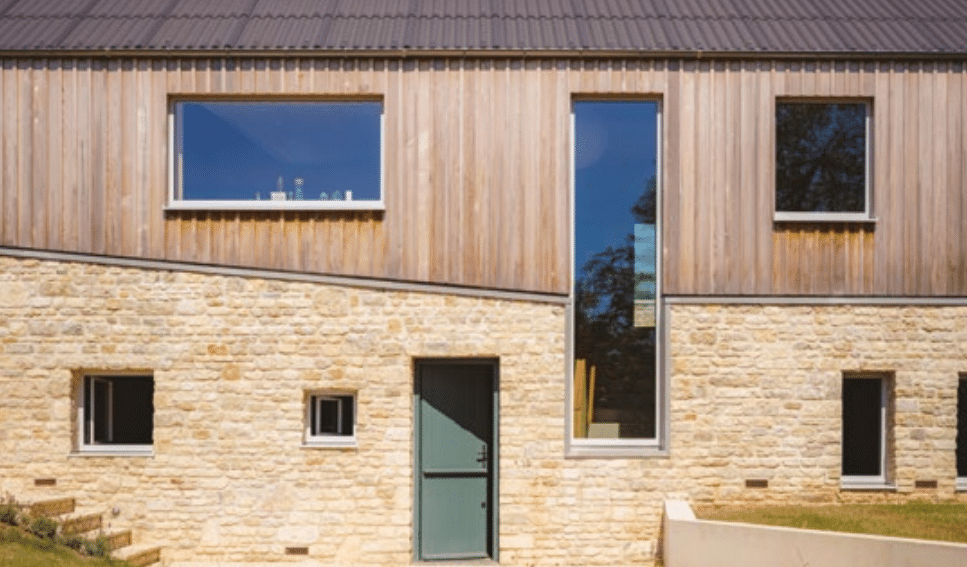
Be strategic; I like to use fixed windows where there are big views, as the frame is generally smaller and the glazing size can be bigger. Then, place an opening window in a location where it will be used regularly and the larger frame has less impact.
Sizing limits
Different window manufacturers will have different limits to sizing. For example, one company might be able to do a full-height 2.1m opening as a casement window, while another window company may only be able to have openings of up to 1x1m, for example.
As a general rule, the more budget systems tend to have less capability. And so you get what you pay for, with the more expensive systems providing more options on the size of openings.
It’s worth asking a particular supplier what their maximum sizes of both fixed and opening windows are and working within that; this can mean it’s difficult to compare pricing, as you’re getting something different from each company.
Sliding vs hinged doors
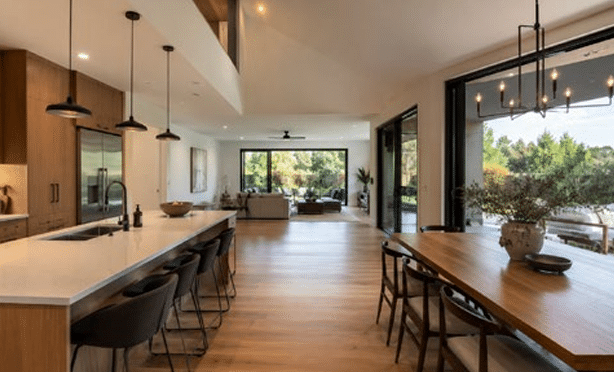
Doors are another key area where understanding the cost of each door set can be really important. In modern house design, a liberal sprinkling of large sliding doors can be really common; they are lovely, but they are also super expensive.
If you’re trying to do a build on a budget, then be strategic about where you install these big sliding doors. Often, these doors can be installed in rooms such as bedrooms or a snug, where they are almost never used and you could easily live without them.
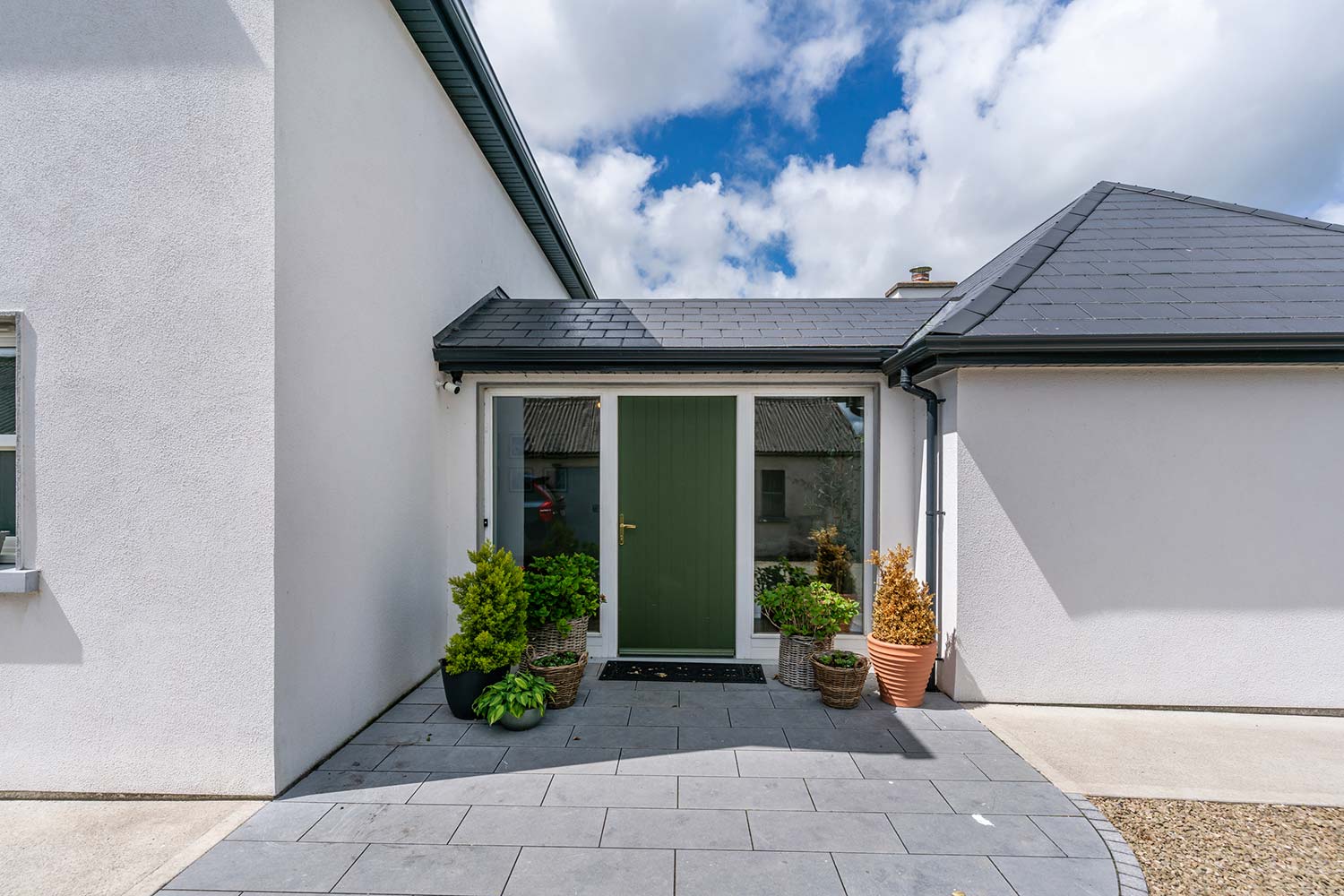
A large expanse of glass can still be achieved at a fraction of the cost with full-height panes of fixed glazing, with maybe a single door to one side if access is needed or desired. Hinged doors are much less expensive than a sliding door or bifold doors, and can be a good way of providing access out into the garden at a low cost.
In a key living space, however, spend the money where it will be used all the time and spend it well; even consider a higher specification door or better brand for these doors which will be in daily use.


Mix and match
Mix and match window and door systems in order to get the quality where it matters; matching the colours is usually quite easy, and as long as they are the same material, it will be hard to notice they are not the same brand.
By paying close attention to the detail of each window and what you need it to do, you can make some big savings and maybe get more quality for your budget.