This garden design for a Galway home stays colourful all year round, giving it a tropical vibe reminiscent of where the clients call home.
In this article we cover:
- Tropical garden design concept
- Plants that evoke the tropics that grow in Ireland
- Garden plan including workshop and greenhouse
- Top tips for garden design
- Inspo images of plants suggested in the plans
Anne Byrne shares her design for a Galway city garden that stays colourful year-round.
This garden project is for a renovated Galway city home. The clients wanted a colourful coastal garden, despite our less than perfect climate, to enjoy with family and friends.
Although happily settled in Galway, the couple found the long, damp winter challenging, especially when contrasted with the colour and sunshine of the Caribbean (one half of the couple is from Trinidad and Tobago).
Growing needs
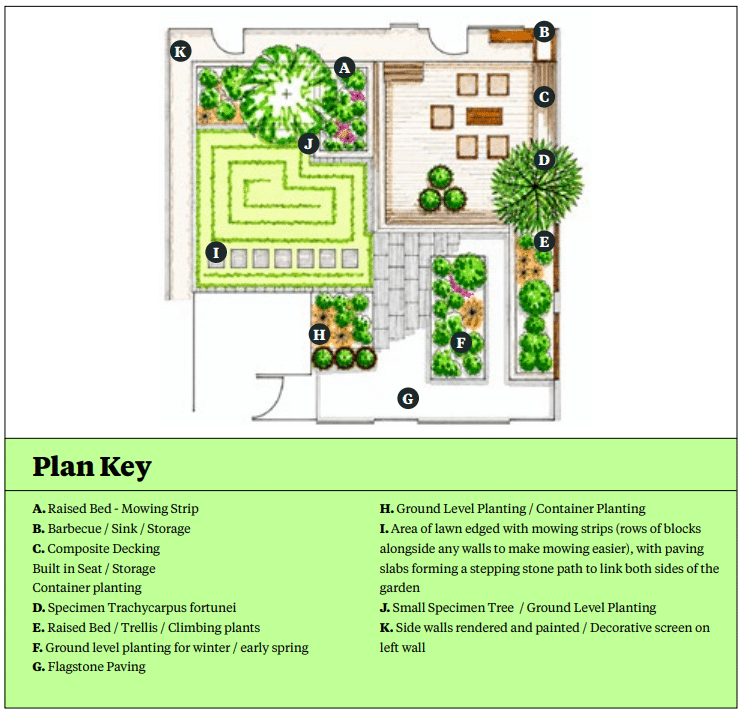
An outbuilding runs the width of the garden, which the couple plans to turn into a workshop and greenhouse to grow edible plants.
Access was needed to doors at both ends, and they wanted an entertaining space with built in seating and room for outdoor cooking and prep. With a small child, lawn for playing was needed with the provision that as she grows older and needs it less, it could be repurposed for growing more edible and ornamental plants.
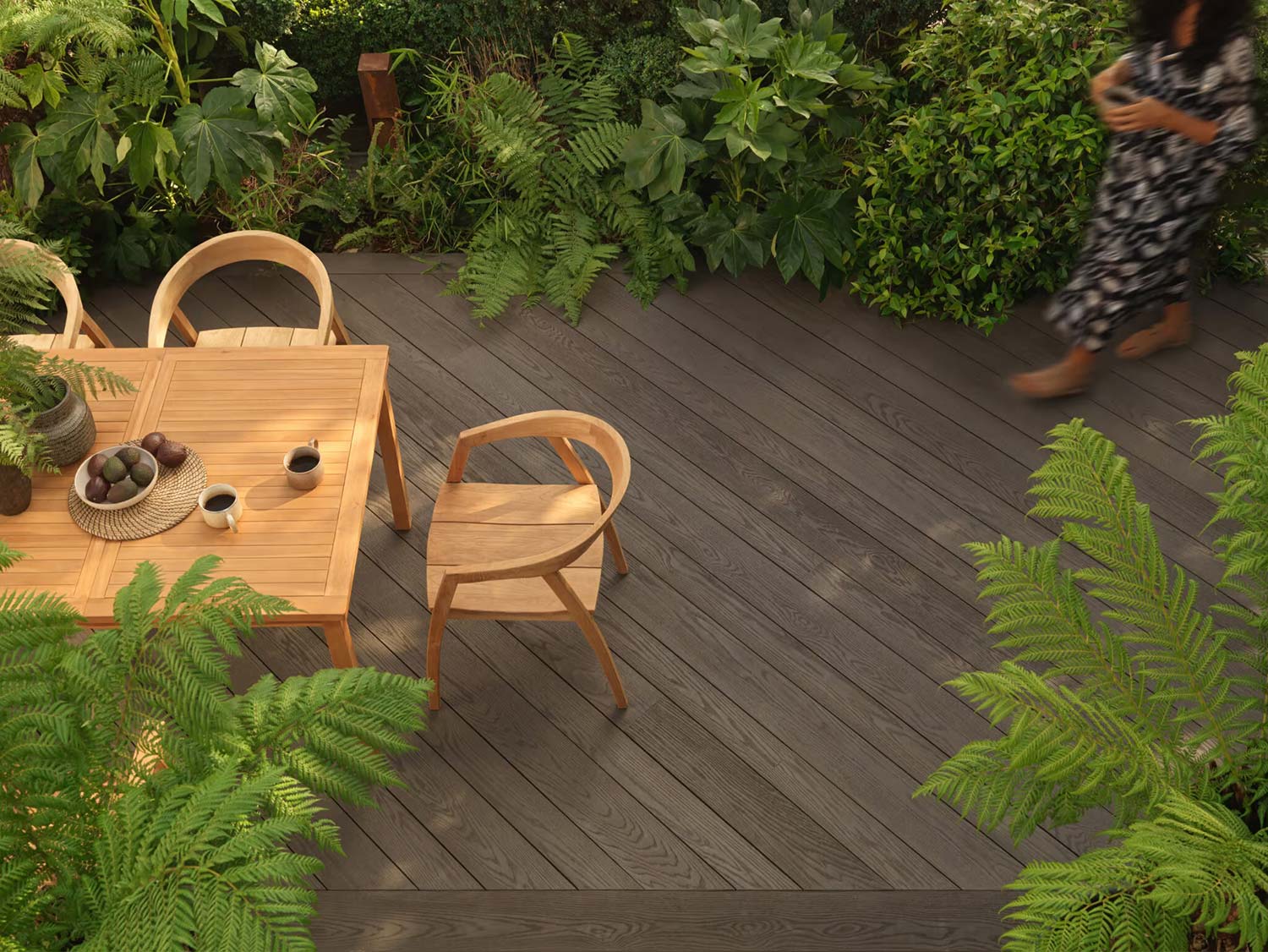
Decking is a great way to introduce level changes in a compact garden, but with the amount of rainfall typical in the west of Ireland, traditional timber decking won’t last very long and needs regular upkeep to preserve the timber.
Instead, I recommended composite decking in a ‘weathered’ finish that would create a relaxed, homely atmosphere without the disadvantages of natural wood. These can be used for cladding as well as built in seating and storage.
Plants that evoke the tropics
The couple wanted the garden to feel lush and green for as much of the year as possible, with a palm tree included as a reminder of home. Luckily there is one palm tree that can survive in the Irish climate – the Chusan palm or Trachycarpus fortunei.
In fact with our mild climate, plants from all over the world can thrive here in the right conditions, especially in coastal areas where frost is rare.
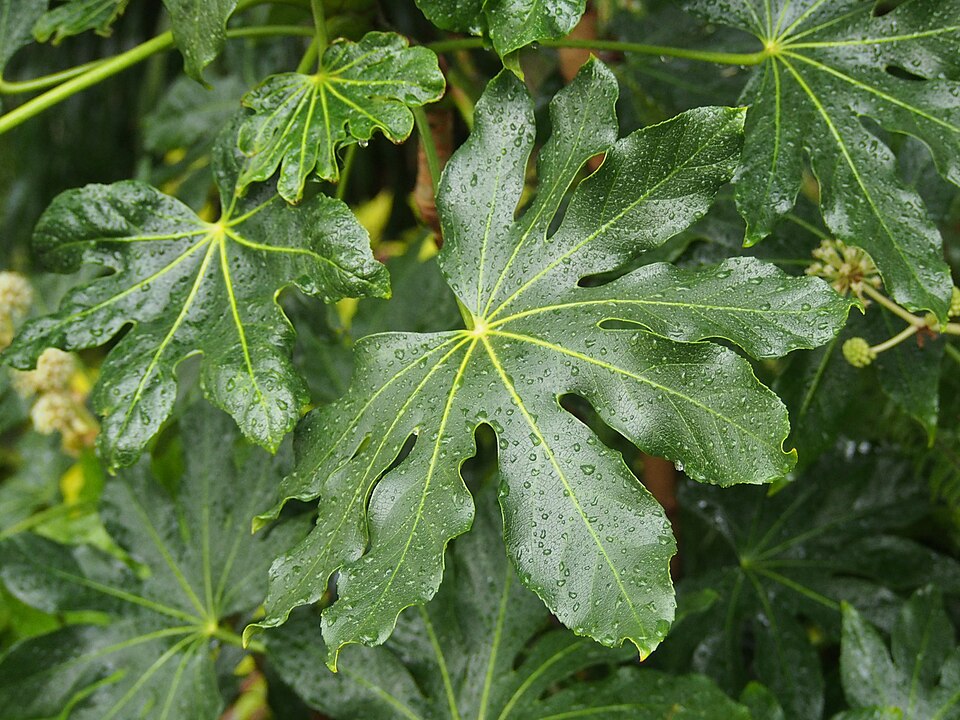
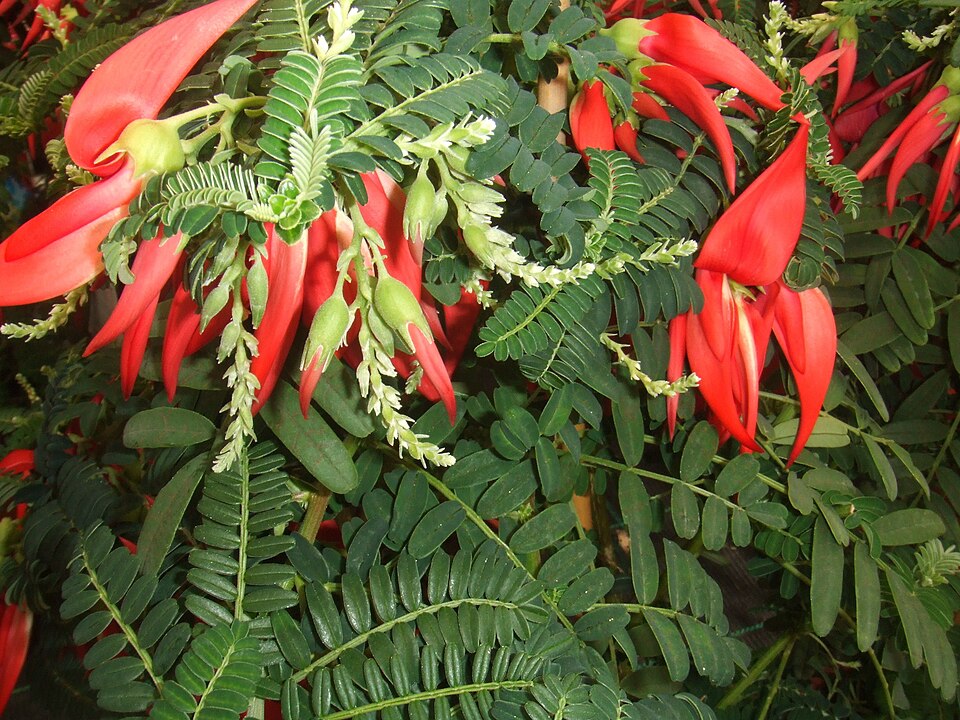
Plenty of plants with evergreen or semievergreen foliage were included with winter in mind, including Clianthus puniceus (the ‘lobster claw plant’) and Fatsia japonica. ‘Semi-evergreen’ plants are those that hang on to their foliage in mild winters, but may shed it in very cold, frosty conditions.
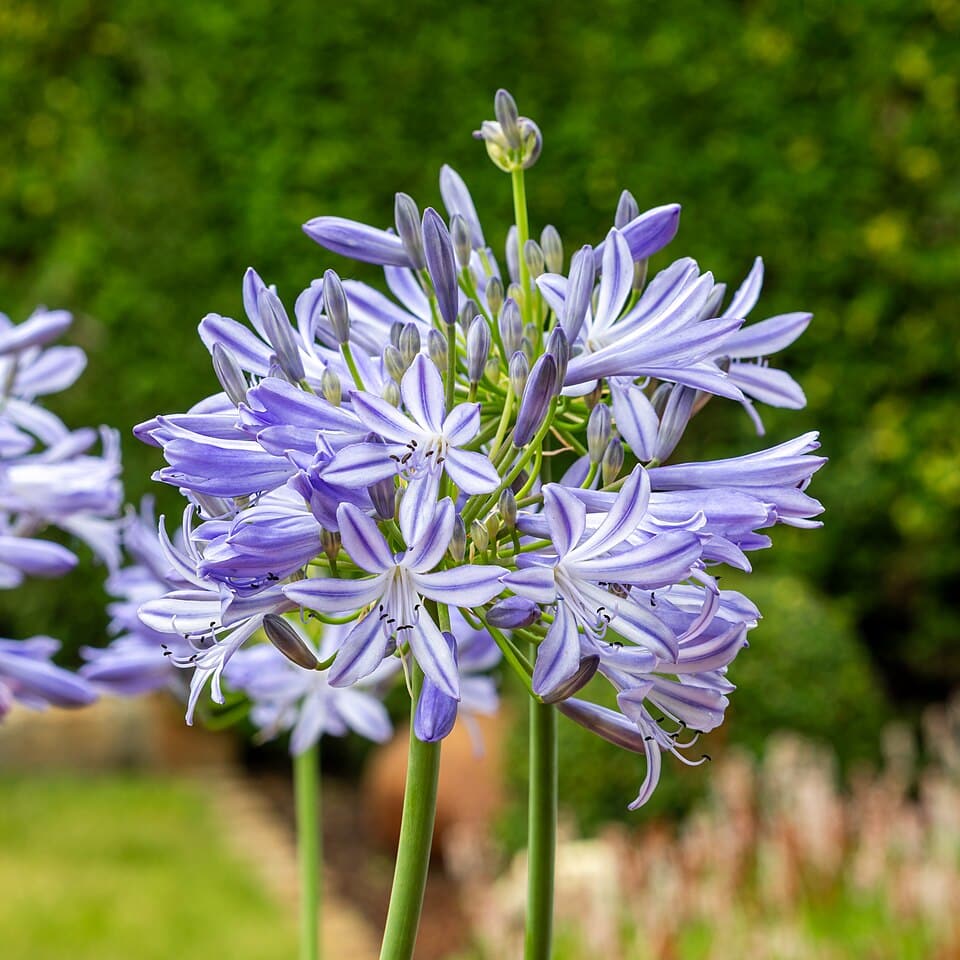
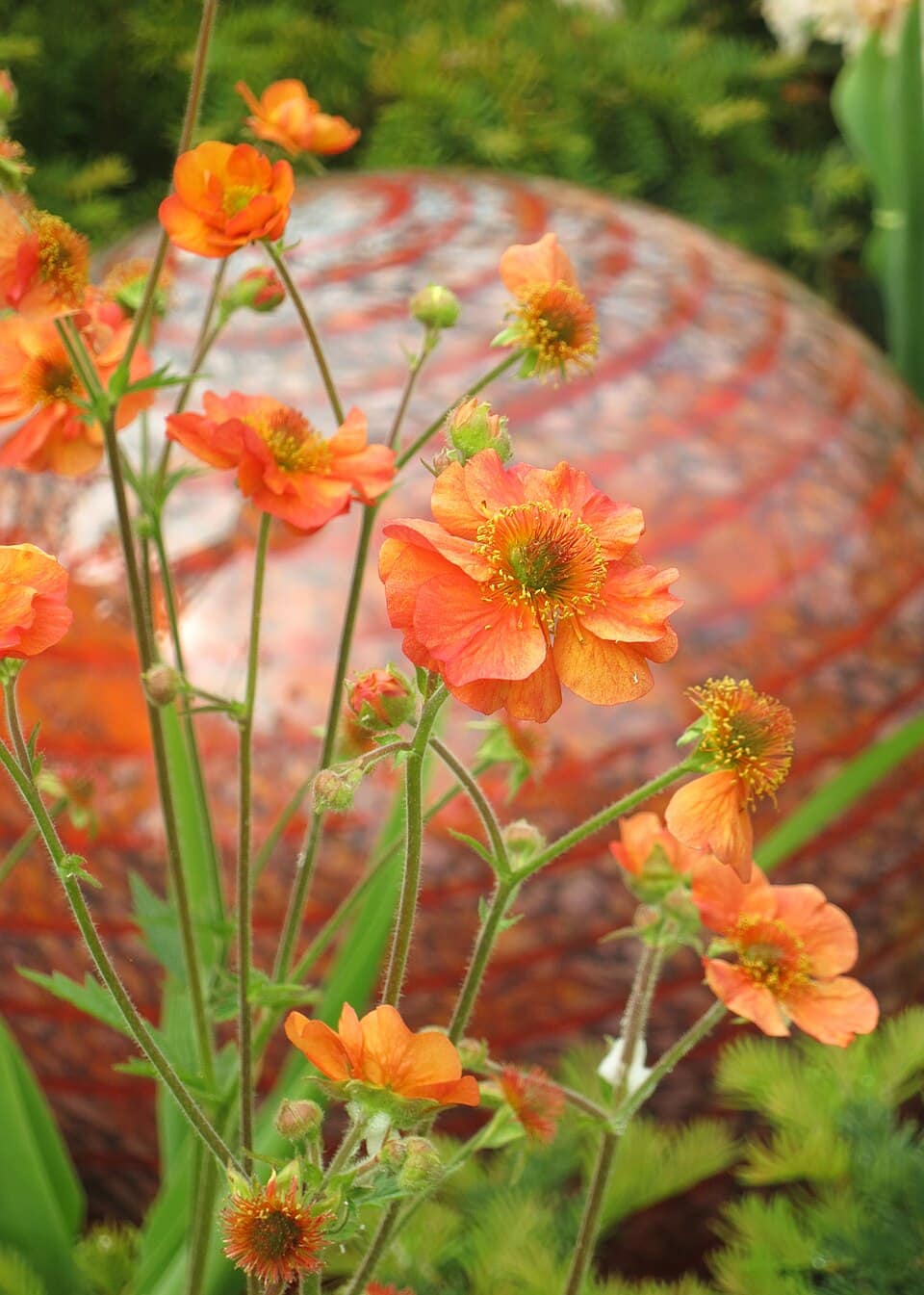


Bergenia and Helleborus hybridus were included in a raised bed close to the house windows, to form a cheerful view during the darkest months. Plenty of vibrant colour is packed in for summer, with agapanthus, daylilies and Geum ‘Totally Tangerine’, and ‘Flower Carpet Coral’ rose and rudbeckia extending the flowering season well into autumn.
Fargesia nitida is included but restrained in a large container – this is the only bamboo I would ever use in a domestic setting as it tends not to be invasive like its relations – but even so, keeping it in a container stops it getting any ideas.
In a compact garden, raised beds are always invaluable for creating interest and planting at different levels, so two are included leading off the raised deck, contrasting with a further two at ground level.
In addition to the palm, a small Prunus ‘Sunset Boulevard’ will provide cherry blossom in spring and good leaf colour in autumn, without ever growing too big for its boots.
Anne’s Tips
Remember the flow. Always think about access to different parts of the garden before you start building. In this garden, not one but two doors had to be accessible from the house door, as well as leaving access to the side of the house, so all the features had to be considered with this in mind.
Think large for small spaces. It may seem counterintuitive, but sometimes large or large-leafed plants work well in a compact space, as long as they are carefully selected. By playing with scale and mixing the glossy big leaves of Fatsia japonica with the smaller, pinnate leaves of Clianthus, the space feels more interesting.
Keep steps wide. For a relaxed feel, make sure any steps you include are as wide as possible and as shallow as possible – the proportions of indoor steps will feel completely wrong outside, so consider this at the outset and in a smaller garden, make sure you have allowed enough space.
Add climbing plants for seasonal colour and fragrance. Scrambling up trellis on this garden’s boundary walls are Trachelospermum jasminoides (gorgeously scented summer flowers, beautiful glossy leaves that stay all winter, often taking on a crimson tinge when it’s cold) and climbing Tropaeolum speciosum (vibrant scarlet nasturtium-like
flowers and dainty foliage).