In this article we cover:
- Most common nightmare scenarios to avoid
- How to manage them if you come across them
- How to prevent them
Q: I’ve heard of horror stories when it comes to house building. What are the most common causes for disputes during a project and how are they resolved?
A: Without doubt the most common causes of disputes during a project are those that arise out of a lack of communication, or from parties failing to deal with issues when they arise.
Very often items arise and might (or might not) find their way onto a contractor’s valuation, but month after month it is not dealt with and by the time a final account comes around, what might have been a €500 issue is now a €4,000 issue as it was allowed to grow and was not dealt with.
It is also not unusual for an added job/item to occur which the contractor fails to raise until the final account.
In all of these instances the failure to effectively deal with the issue when it arises, means that by the time it must be dealt with both parties are entrenched in positions. There is no way to mitigate the cost as one side believes they have incurred the full cost so want full payment, and the other side don’t want to make the payment as they don’t have the funds.
These disputes are akin to seeds. If they are just thrown into the garden and left alone, they grow and eventually become an expensive item to remove. Weeding out issues as they crop up is much simpler, and cheaper.


Other disputes often arise because the parties are unclear about the original terms of the contract. For example, disagreements frequently occur over revisions made to drawings during the tender stage, and over which version of the drawings the parties agreed would form part of the contract.
The absence of a written form of contract or a properly completed contract is a hindrance to dispute resolution. The parties should always have a document available to them that clearly identifies what is included or excluded from the contract at the outset, so the starting position is clear for all.
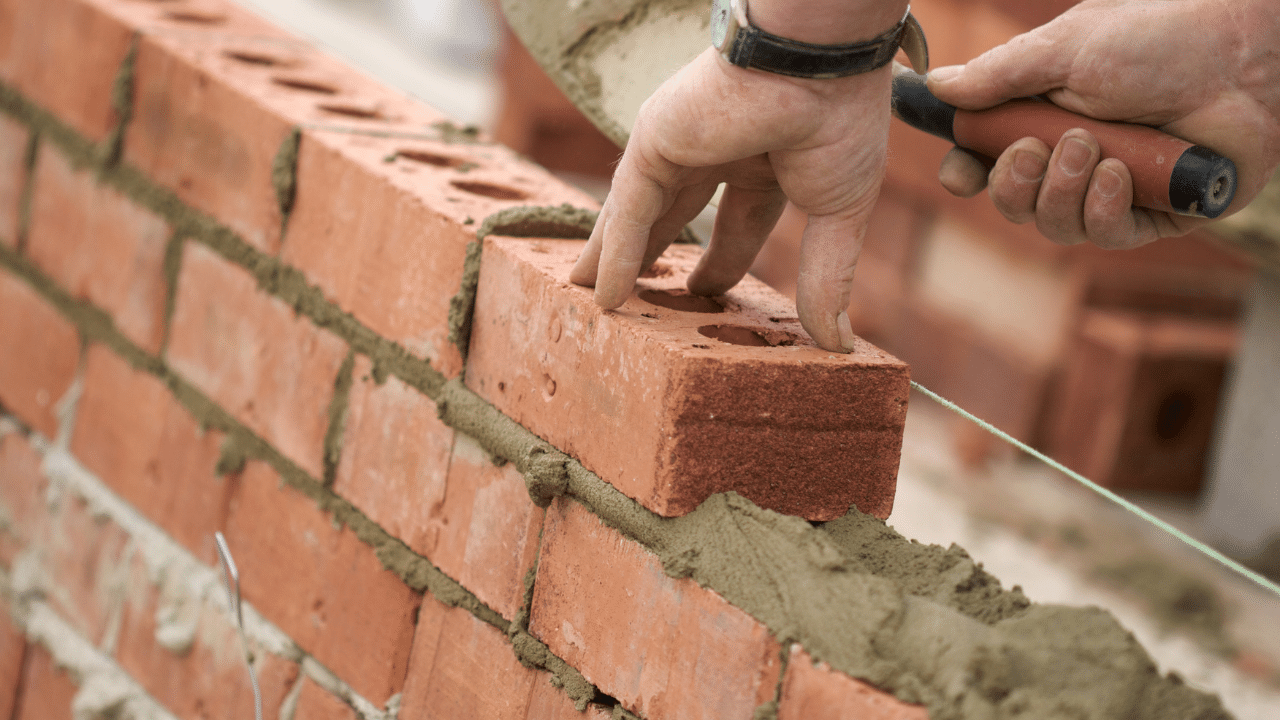
One issue that it is important for self-builders to understand, is that the accuracy of their drawings is crucial to their ability to contract the various Image from stock.adobe.com / NanSan trades to carry out works.
Under most forms of contract for a lump sum agreement, the agreement will be based on the drawings and specification. For the client to have cost certainly, it is vital that the drawings and specification fully detail the works required.
Many disputes arise from a client’s understanding that the contractor should have allowed for something in their quote as they are experts and know what is required in various trades.
However, contractually if it is not noted on the drawing or reasonably implied from the drawing or specification, it will not be in the contract and the contractor would be entitled to claim for the item.
In a re-measurable contract, the bill of quantities and its descriptions form part of the contract. If those descriptions are poorly drafted, the client may face variation claims where additional or different work is required in practice.
The above is just a snapshot of some items that cause disputes. As with any project, the reality is that proper planning and communication with everyone, working collaboratively to reach the end goal, will generally reduce conflict. Keep the lines of communication open, work together and find solutions to any issue that arises.