In this article we cover:
- Is a budget of €220k realistic to build a house
- Comparing that budget with current costs
- How to budget for your own house build
Q: I have a budget of €220k for a 1,500 sqft house, I plan on
building a bungalow with simple finishes. I’m thinking of
going with a secondhand kitchen to reduce costs there and
hiring the trades myself. Is this doable?
A: It is advisable to engage a quantity surveyor (QS) early in the project, as they are the specialists in construction costing. The Royal Institute of the Architects of Ireland (RIAI) also publishes Cost Guidelines to assist with budget estimates; however, these were originally published in 2019, before Covid and the significant increases in construction costs that followed.
The RIAI figures for a new house assume a one-off bespoke design. Using the published figures for a ‘basic’ extension (€1,900–€2,300 per sqm), the estimated construction cost
for a 139sqm (1,500 sqft) house is approximately €264,000
€319,700, excluding VAT at 13.5 per cent.
Considerable savings can be achieved by taking the direct
labour route, engaging trades individually, and sourcing items such as a secondhand kitchen. As a very broad estimate, this approach may reduce construction costs by 10 to 20 per cent, potentially bringing the pre-VAT build cost down to approximately €212,000 to €288,000. However, undertaking a direct labour build is time consuming, requires careful coordination of trades and materials, and can be stressful. These factors should also be considered when deciding whether this
procurement route is suitable.
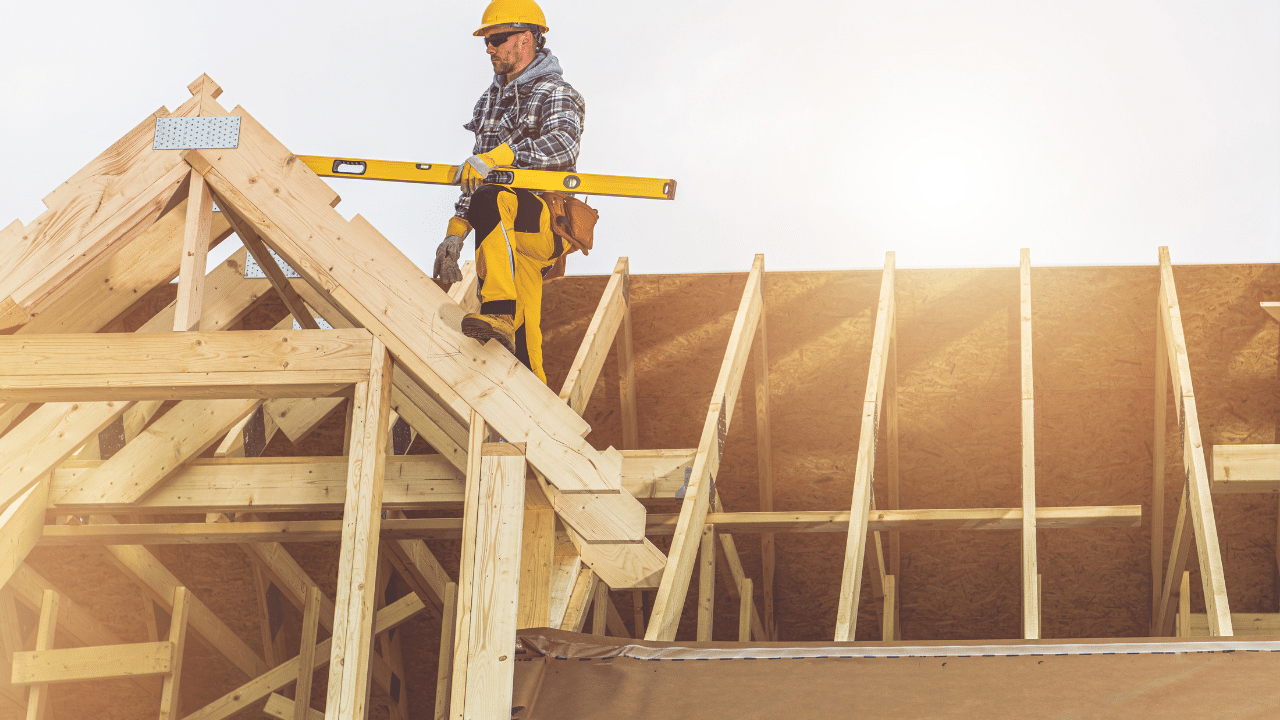
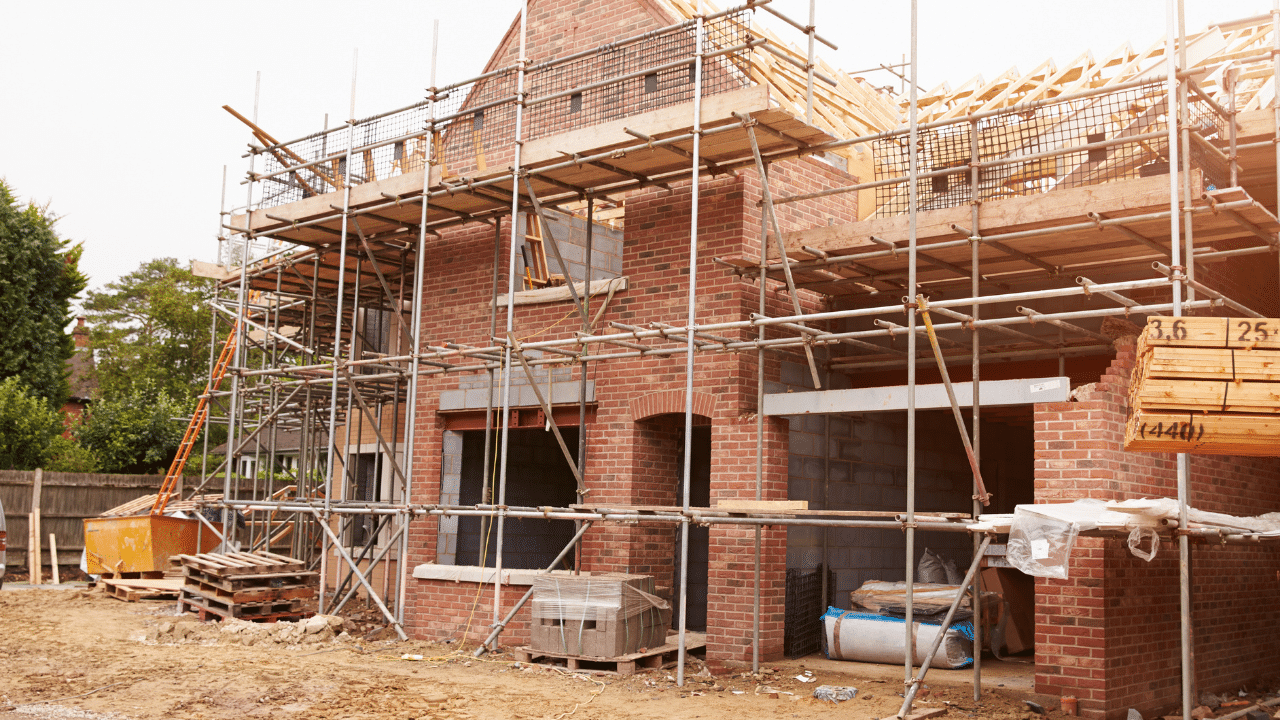
A €220,000 budget before VAT is likely to be challenging but could be achievable with a simple, compact bungalow design, careful cost control, favourable site conditions, direct labour, value-engineered specifications, and by avoiding unforeseen groundworks or service costs. If, however, the total available budget is €220,000 including VAT, this equates to a construction budget of approximately €194,000 before VAT, which is below even the lower end of the estimated cost range above.
In that case, achieving the project within budget would be extremely challenging unless the house size or specification
is reduced, you undertake a significant proportion of the
work, or substantial savings can be made elsewhere. A QS should be engaged at an early stage to assess the project’s feasibility before progressing too far with the design.