In this article we cover:
- External door types
- Cost of external doors
- Frame options
- Patio door styles
- What to check for before buying
- Lowdown on smart locks
Whether you are replacing a tired back door, restoring the entrance to an older house, or choosing doors for a new build, the options are far broader than the old standard white uPVC door.
But before you get carried away with finishes, knockers and fancy glazing, decide what the door needs to do – how wide does it need to be, will it be in constant use, how does it fit in with the house style?
The trick is not simply finding a door you like the look of. It is finding one that suits your house, your budget, your appetite for maintenance and, of course, our lovely weather.
The cost of external doors
Because doors are often made to order, and what is included as standard varies between manufacturers, costs vary widely. The final price will usually depend on the material, size, and glazing specification. Hardware can easily push up the price, e.g. locks, handles, hinges, as can the addition of sidelights, fanlights or special glass.
Some manufacturers will allow you to pick from any RAL colour, while others will charge a premium for heritage, dual tone or bespoke shades. With so many companies on the market, reputation counts for a lot and a good warranty as well as good aftercare service will bring peace of mind – but usually also adds to the cost.
In Ireland, a standard uPVC external door, supplied and fitted, may often sit around €900 to €1,200 plus VAT, while composite front doors commonly start from around €1,800 plus VAT and can rise to €2,400, €3,000 or more depending on the specification.
Some Irish composite door guides put average prices in the €2,399 to €3,599 range. Aluminium and aluclad doors are usually more expensive again, especially where large panes of glass or lift-and-slide systems are involved.
There are now standalone grants from the Sustainable Energy Authority of Ireland, seai.ie, for doors: €800 per external door, up to a maximum of two doors, so check your eligibility and apply for the grant before you go through the process. Do check whether the door you plan on buying qualifies for the grant.
In Northern Ireland, uPVC external doors are generally at the lower end of the market, with UK cost guides putting external uPVC supply-and-fit prices from around £825 to £1,200 or more.
Composite doors tend to cost more, with fully installed composite front doors often moving into the £2,000-plus range depending on supplier, style and security specification. Aluminium external doors and large patio systems are usually premium purchases and can start from several thousand pounds.
Frame options
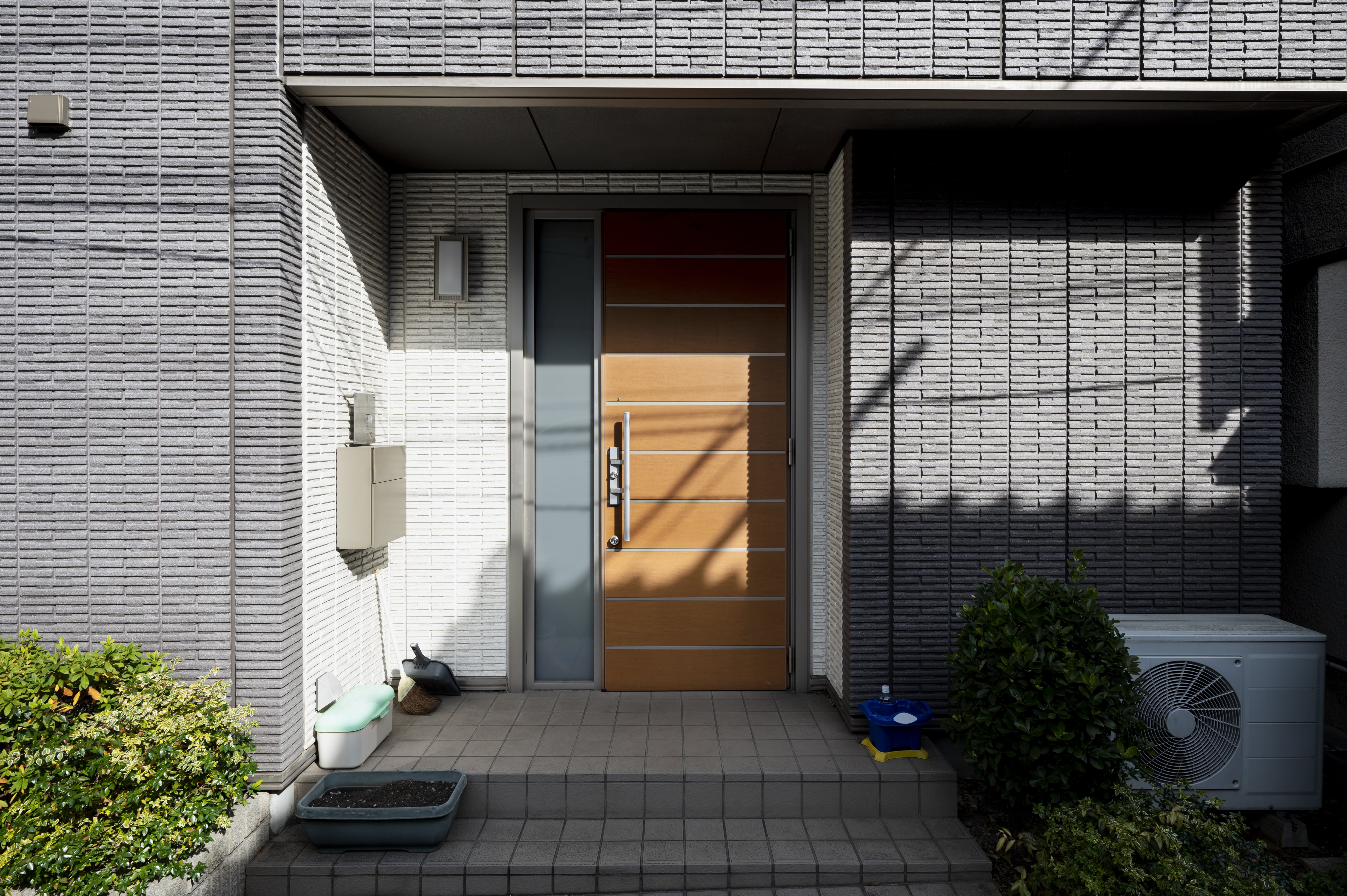
Composite doors have become the mainstream choice for both new builds and retrofits, as they offer more substance than basic uPVC, require less upkeep than timber and come in a wide range of styles.
A composite door is made from a combination of materials, usually with a solid or insulated core, reinforcement and a weather-resistant outer skin. You can choose anything from a traditional panelled door with decorative glass to a sleek modern style. uPVC external doors are nowadays often used for side entrances, utility rooms and back doors. It’s an affordable low-maintenance option.
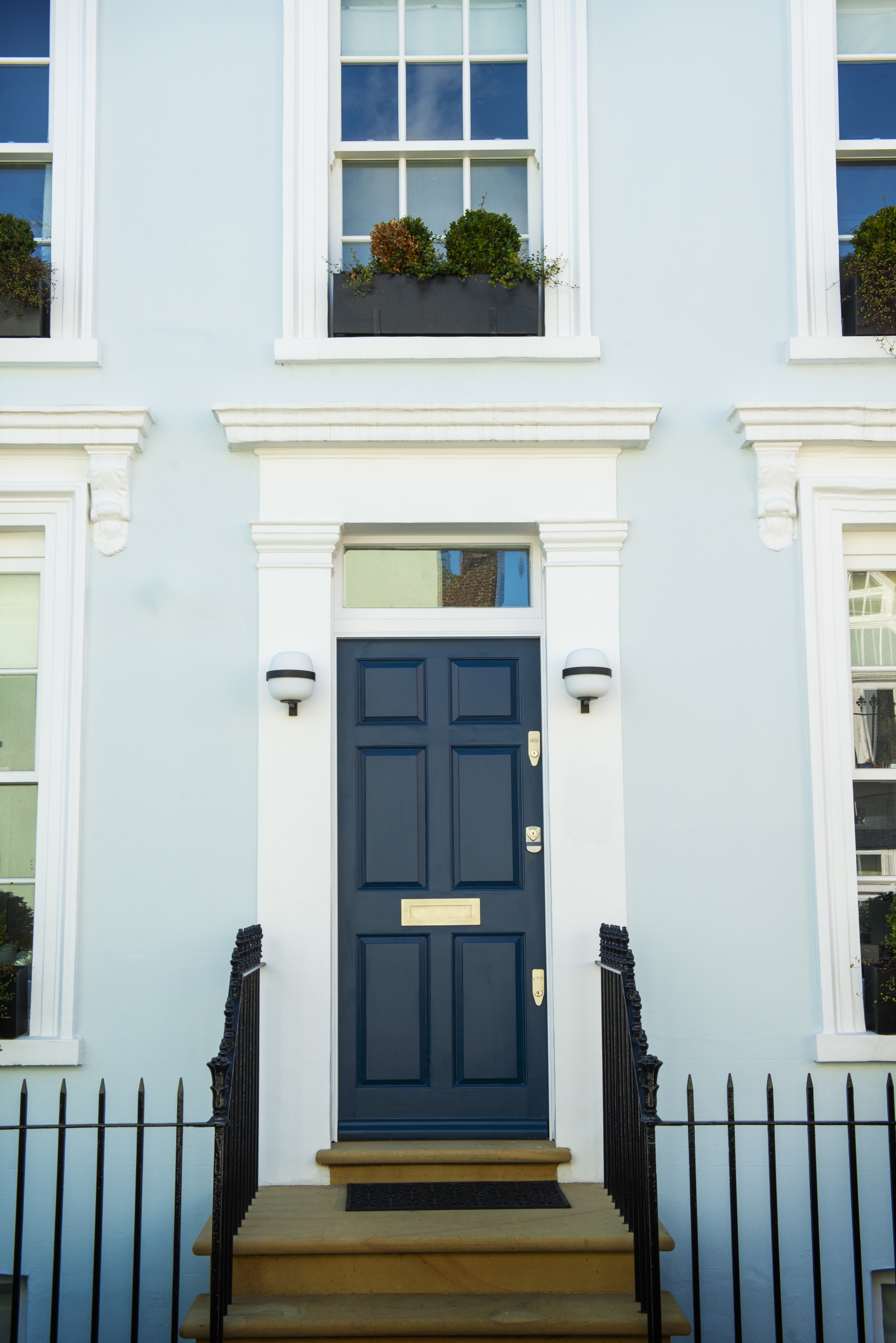
Modern colours and woodgrain finishes have improved considerably but uPVC remains susceptible to UV rays. Check the frame is reinforced for strength. Timber doors are made of hardwoods and are still a popular choice to bring warmth and authenticity to period homes, traditional cottages, architect-designed houses and unusual openings. The trade-off is maintenance. Timber needs to be properly sealed, painted or stained, and checked over time. Poor quality timber, badly protected edges or an exposed elevation can lead to swelling and warping.
Aluminium is the go-to for a contemporary look. It is strong, durable and particularly useful where you want slim frames, large areas of glass or a crisp architectural finish. It also contrasts well with traditional features. The drawback is the hefty price tag. Aluclad doors combine timber or uPVC on the inside with aluminium on the outside.
The appeal is simple: you get the warmth of wood indoors and the weather resistance of aluminium outdoors. uPVC aluclad offers wood grain effects and is more cost effective than timber aluclad. Wood aluclad is a common choice for sliding or lift and slide doors, as it is more cost effective than aluminium frames. uPVC is not suitable for large openings.

Patio door styles
Front doors and side doors usually come as single doors, but doors leading to the patio or back garden tend to be glazed and much wider.
French doors suit traditional homes and smaller openings and consist of two (fully or partially) glazed doors. They are often more affordable than large sliding or bifold systems and can look very elegant.
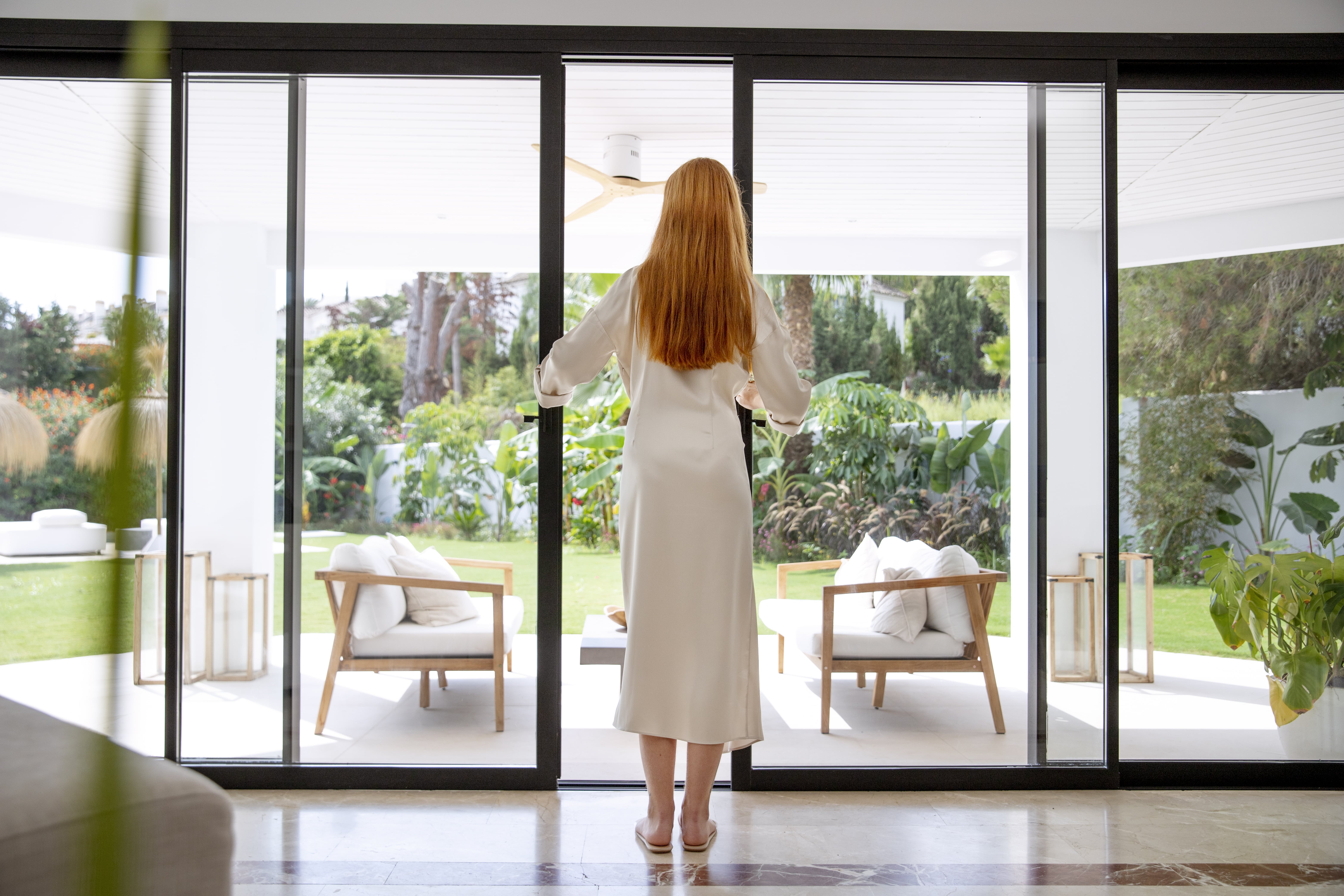
These sometimes come with fixed glazed panels to either side and/or above. Sliding doors are windows on rails and useful where space is tight, because the panels don’t swing in or out. Larger aluminium or aluclad sliders give a clean, modern look and maximise the glass.
The amount of uninterrupted glazing will depend on the manufacturer and frame type. Most common nowadays are the costlier lift-and-slide versions, as they take some (or most) of the weight off the sliding mechanism.
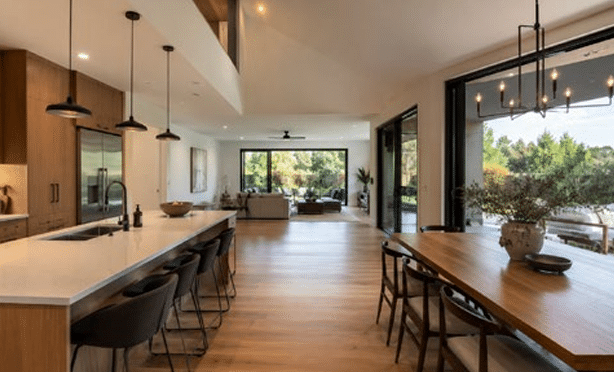
Bifold doors are designed to open up a wall to the garden, but they’re expensive, need stacking space and careful installation. The benefit is the garden completely opens up; the effect when they are closed creates a series of frames.
Smart door locks
Smart locks are becoming an increasingly popular as they provide the convenience of keyless entry via a smartphone, keypad, fingerprint reader or key fob. Smart doorbells are now ubiquitous; when you ring them, the app on your phone notifies you there’s someone at the door and shows you video footage.
It’s all done wirelessly (for it to ring a physical doorbell comes at an additional cost). Smart locks are just as convenient but they clearly are more complex in nature. Inside the lock is a small motor or actuator that physically turns the deadbolt when it receives an authorised command.
This command can be physical (keypad, tag or fingerprint reader) or wireless (usually via Bluetooth) whereby the door opens when you approach it or give it a command. Depending on the system, they can also offer temporary access codes, remote locking and unlocking, activity logs, auto-locking and integration with smart home platforms.
Costs vary depending on the lock and the complexity of the installation. In Ireland, retrofit smart locks typically cost between €167 and €350+ for the hardware, with professional installation often adding around €200 to €400+. In Northern Ireland, smart lock hardware generally ranges from around £150 to £350+, with installation often adding £350+.
Extra keypads, fobs, fingerprint readers, wifi bridges or smart-home integration can push the price higher. Before buying, check that the smart lock is compatible with your door type, and ask what happens if the battery runs flat, whether there is a traditional key override and who will provide technical support if the app, wifi connection or lock mechanism gives trouble.
What to check for
A proper exterior door should be judged as a complete doorset: frame, glass, filling/reinforcement/insulation, seals, threshold, lock, hinges, handle and installation.
Fitting:
Before ordering, make sure to ask if the door is supply only or if they also fit it for you. Once fitted, make sure to check all is as it should be; locks work smoothly, handle feels right, the door swings freely and sits snugly in place when closed.
Threshold:
The sill the door sits on will be protected by a proprietary sealed threshold, at a specific height. Then comes sealing to the building envelope. The door’s weatherproofing and energy efficiency will only be as good as the installation and the threshold is important to get right.
Making good:
Check who is responsible for making good around plaster, render or flooring once the door is installed. Waste management: For a replacement door, ask if they will take the old one away for you. Make clear who deals with any waste created on site.
Energy rating:
The building regulations have set parameters, including the overall U-value of the complete doorset and the impact glazing has on energy efficiency. Check the specification with your energy assessor.
Warranties:
Make sure these come from a reputable supplier. Look for multi-point locking, strong hinges, good cylinders and toughened or laminated glass where needed