In this article we cover:
- In this article we cover:
- Reader question about site safety
- What you can do
- First steps
- What areas to be concerned about
Q: I may sound a bit neurotic but we’re just about to start our build and I find myself worrying in case someone gets hurt on our site. Everywhere I look seems to present some sort of danger. How can I cope?

Andrew says: It’s your responsibility to make the site safe.
You are right to be concerned about safety because the construction industry remains one of the most dangerous places to work. Health & Safety regulations have been in place in both NI and ROI for years now and the onus is on the homeowner to comply with them.
There’s a lot you can do to make your site as safe as possible for yourself, your workforce, your visitors and others. If you employ a main contractor, he will take responsibility for all this. But even then you’ll have a duty to look after your workers and anyone coming to your site. I’ve had bad experiences of poor site safety even with quite good contractors.
We live in an increasingly litigious world and some people, especially when vexed or bitter, will hit out at almost anyone they think they can blame. If someone is injured on your site due to your negligence or ignorance you could be sued. As overall manager of the project you must take responsibility for safety. Talk this through with your insurers, to give you some comfort.
Unlike in a factory, where conditions can be meticulously controlled and the people all know what they are doing, a building site is somewhat haphazard by comparison. Ensuring everyone remains safe costs money in factories and on building sites.

Gone are the days when you could expect people to perch on ladders installing a heavy window, for example. You’ll have to hire specialist equipment to enable your workers to safely do their tasks. But this money is well spent as research shows that the quality of work is always higher on sites where health and safety issues are well managed.
The financial burden of having to close your site because someone has been seriously injured or even killed doesn’t bear thinking about. So this is all worth taking seriously.
Here are some areas which will call for special attention:
- Anything to do with electricity.
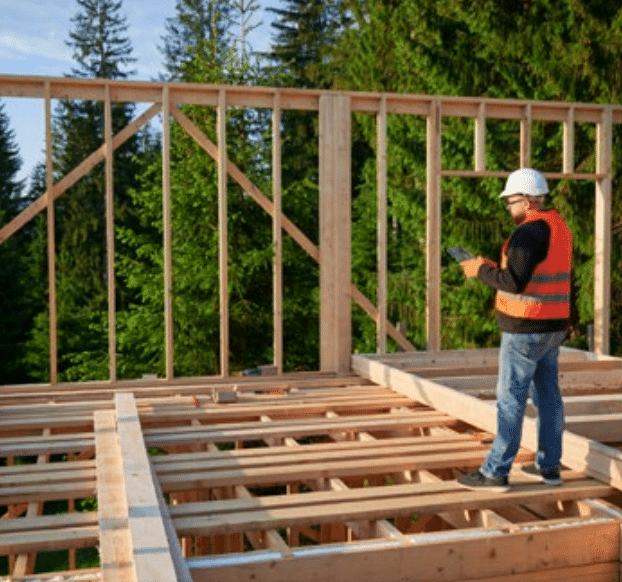
- Working at height.
- Handling and lifting heavy loads.
- Looking after inexperienced workers.
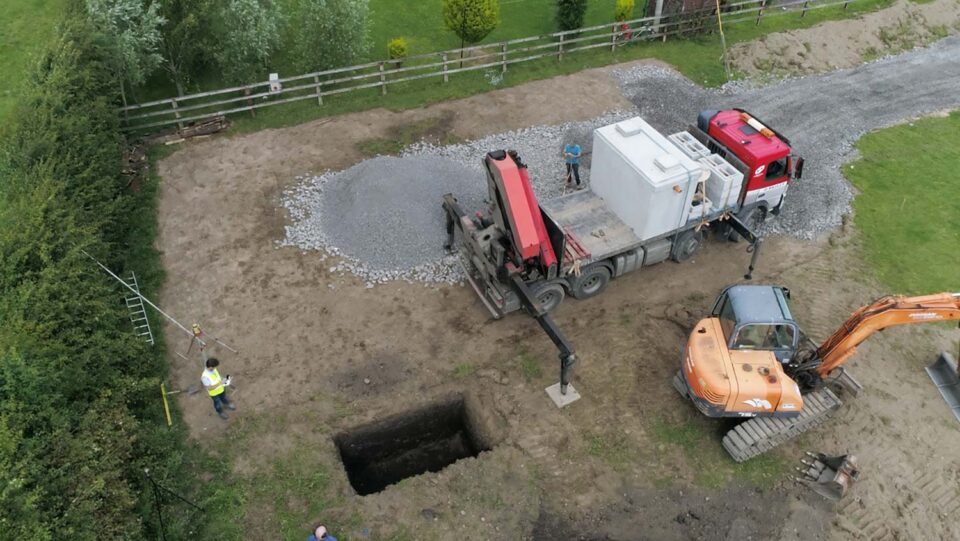
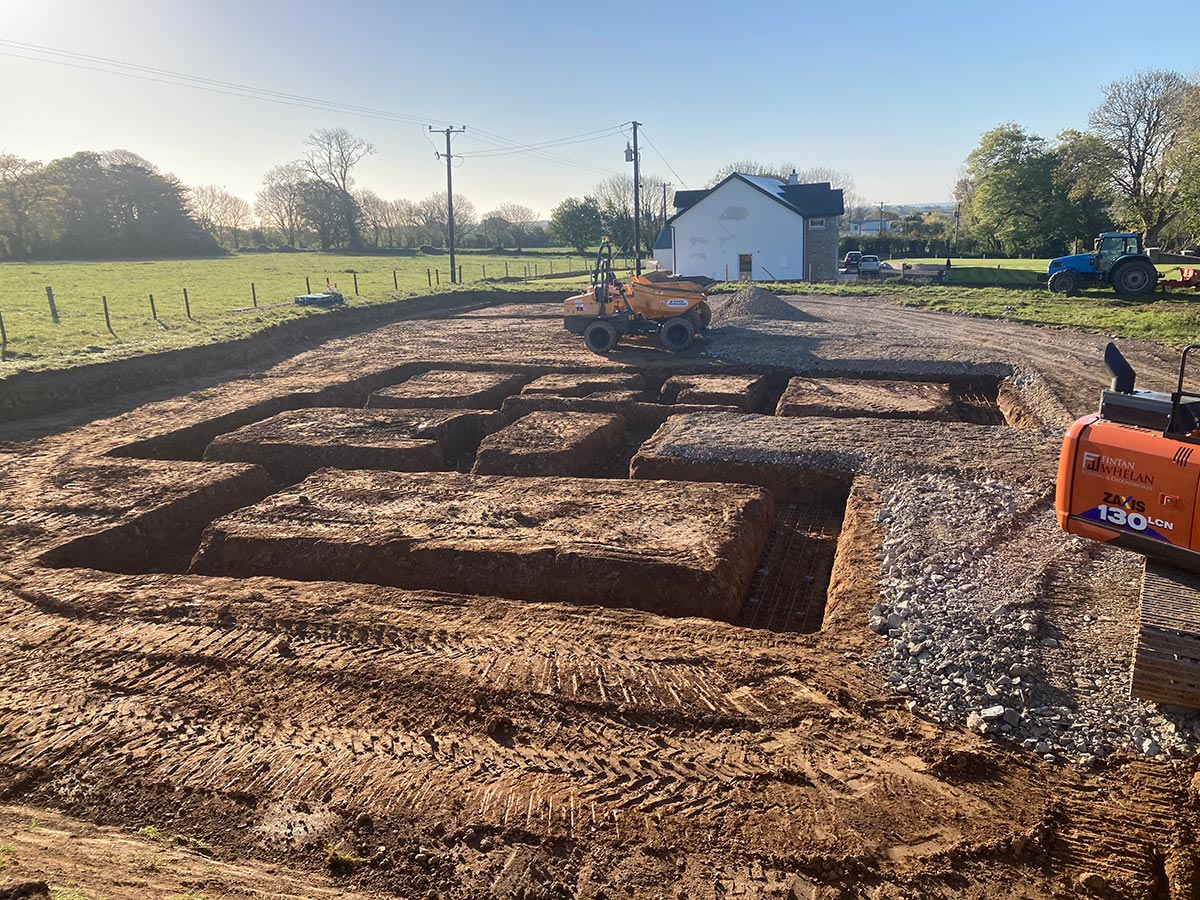
- Excavations deeper than waist height.
- Working with concrete.
- Keeping the site clear of debris, for example, boards with nails in them.
- Keeping alert to the dangers of asbestos when taking down old structures.
- Making sure stacked materials are safe and cannot tumble.
- Allowing only trained people to use plant and other specialised equipment.
- Providing protective gear when needed.
- Ensuring things cannot fall from a height.
- Ensuring your lighting is good for dark times.
- Maintaining your security fencing.
Finally…Keep a properly stocked first aid box handy and do a daily check around the whole site for unsafe practices and remedy them at once.