In this article we cover:
- Final checks once the wastewater treatment system is in
- Situation in Ireland and Northern Ireland
- What documents to look for
- Drainage checklist
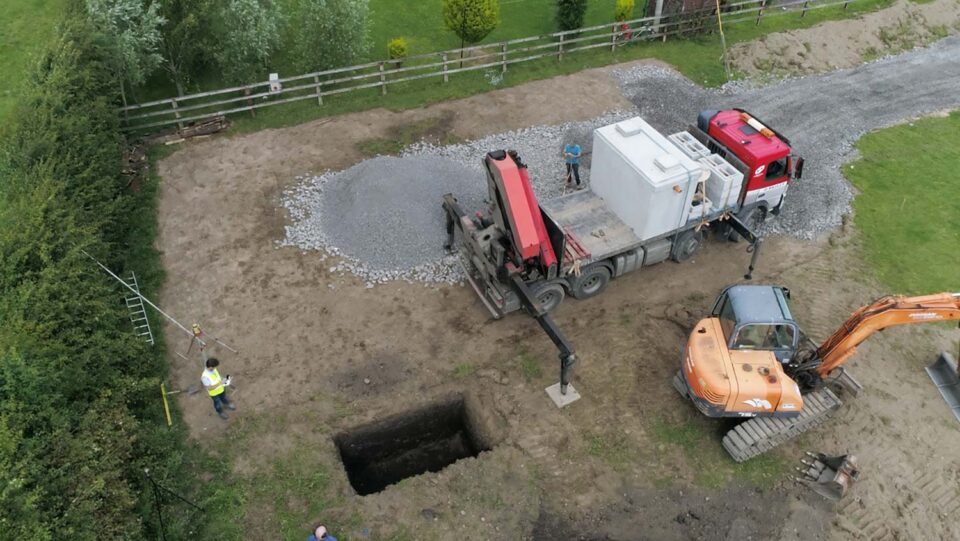
Given the fact that an installer is essentially certifying their own work, you might wish to ensure that you see and understand what has been done before things are covered over.
Northern Ireland
In Northern Ireland, Building Control will check the installation against the approved drawings and the building regulations, but they do not check rights or legal issues for you. Your appointed certifier who issues certificates for your mortgage lenders will also be unlikely to do so.
Checks should include that:
• You have a copy of the correct certification for the installed system (e.g. the PWWTP). This should include certification to the latest version of BS EN 12566-3 and should state the tested BOD, CoD and TSS figures. The entire installation should comply with the effluent discharge consent documentation.
• The installer has provided you with a commissioning certificate for the PWWTP. • The trenches have been excavated to the correct dimensions.
• All pipework is certified for use in a sewage system and trench fill materials plus all manholes and inspection chambers have been provided to the exact specifications shown on the approved building control drawings and to the latest version of BS 6297 (Code of practice for the design and installation of drainage fields for use in wastewater treatment).
• The electricity installation is working and suitably protected and issued with a NICEIC registered electrician’s certificate.
Ireland
In Ireland the local authority’s building control section may inspect the works for general compliance with the building regulations and the documentation lodged on the Building Control Management System (BCMS). Although it is possible, it’s not very common for building control to inspect sites that do not require a fire certificate.
You may also get an inspection from the Health & Safety Authority to check the health and safety regulations have been followed, including having appointed a PSDS (project supervisor design stage) and PSCS (project supervisor construction stage) and have health and safety files for both stages, check hsa.ie for the full details.
Even if there is no inspection, responsibility for compliance remains with the owner. The entire installation should comply with the site-specific design and the EPA Code of Practice.
The EPA’s current 2021 Code of Practice for Domestic Waste Water Treatment Systems (Population Equivalent ≤10) applies to site assessments and installations commenced on or after 7 June 2021. Where your project is being carried out under the full BCAR process, your Assigned Certifier may gather ancillary certificates and inspect stages of the works, but they will not necessarily verify every drainage detail unless it forms part of their inspection plan. If you have opted out of statutory certification, there is no Assigned Certifier but you will still have a building professional sign off on the build – oftentimes this role is carried out by your engineer. The mortgage provider will require each stage to be signed off on and you will also need powered, and left fully operational. It should also confirm the model, serial number, date of commissioning, and any maintenance requirements or service intervals. Where applicable, you should also receive the manufacturer’s O&M manual and service logbook. Drainage checklist During the installation checks will be done on the pipework to ensure compliance, including: The polishing filter / percolation area / a completion certificate at the end of the build, which is needed to sell on the property. If you’ve taken a warranty out, they will send their own certifier to inspect the various stages.
In Ireland here’s the documentation you can expect to get:
• A copy of the correct certification for the installed system (e.g. the packaged wastewater treatment plant / PWWTP). The unit should be suitable for domestic use in Ireland and should have valid performance certification to I.S. EN 12566 3 (or the current applicable harmonised product standard), together with CE marking and preferably NSAI Agrément (or equivalent recognised third-party certification where applicable). The certification should clearly state the tested performance values, including BOD, COD and TSS, and the installed unit should match the design assumptions and any conditions attached to the planning permission or discharge requirements.
• A commissioning certificate for the wastewater treatment plant. This should confirm that the unit has been installed in accordance with the manufacturer’s instructions, correctly set up, tested,
• A copy of the site characterisation / percolation assessment and design prepared in accordance with the EPA Code of Practice, and the installed system should correspond exactly with that design in terms of treatment type, location, invert levels, discharge route and polishing component. If the design was for a polishing filter, soil polishing filter, raised polishing filter, mound, or packaged pumping arrangement, that exact arrangement should be what has been built.
• The electricity installation is working, safely protected and properly certified. Any electrical supply to the treatment plant, pump chamber, blower, alarm panel or control kiosk should be fully operational, correctly isolated, RCD protected where required, and installed in Ireland by a Registered Electrical Contractor (REC) who will issue a Safe Electric Completion Certificate.
Drainage checklist
During the installation checks will be done on the pipework to ensure compliance, including:
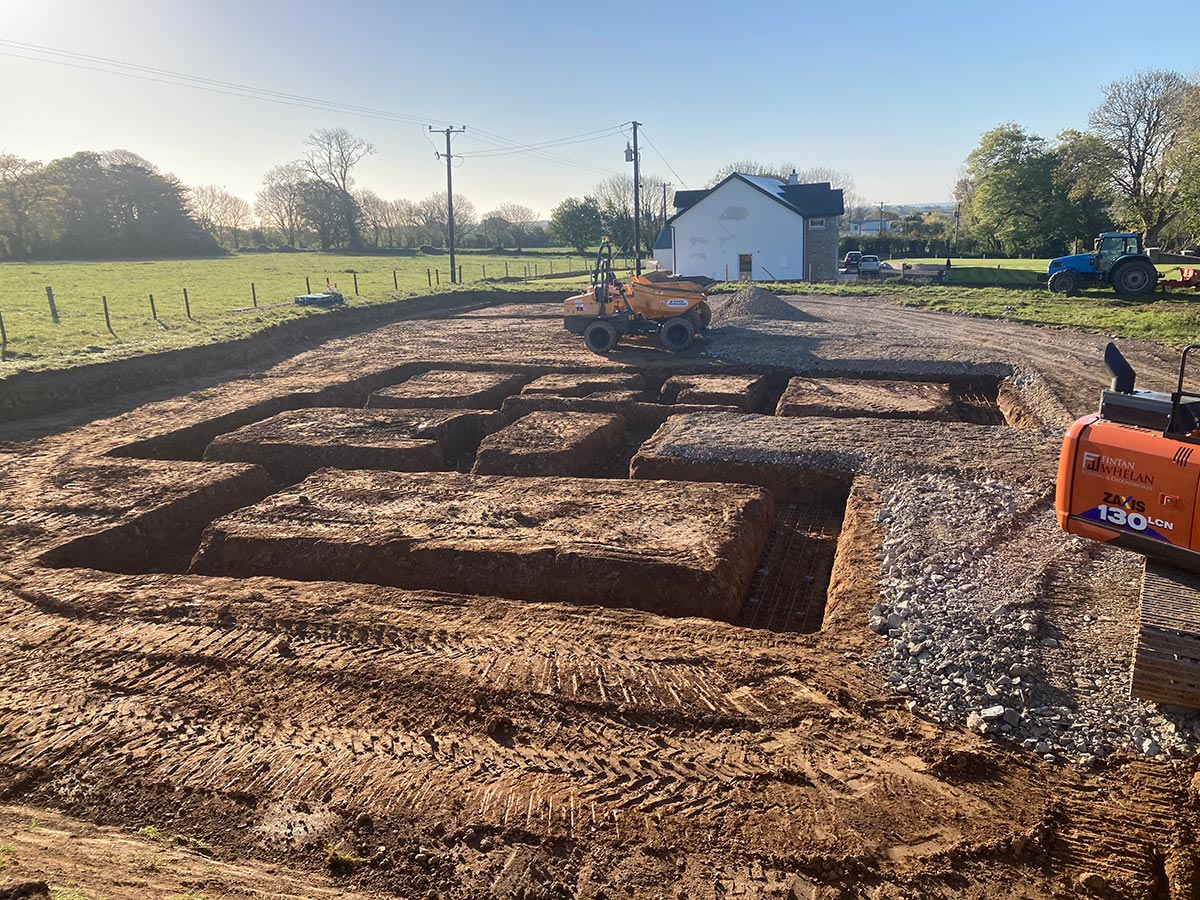
- The polishing filter / percolation area / tertiary treatment area has been excavated and constructed to the correct dimensions and levels. This includes trench widths, trench depths, trench spacing, distribution arrangements, aggregate type and depth, pipe gradients, geotextiles (where specified), and finished cover levels.
- All pipework, fittings, chambers and backfill materials are suitable for foul drainage use and have been installed exactly as designed.
- All pipework is suitable for use in a sewage system, correctly bedded and protected, with watertight joints and proper access for inspection and maintenance.
- Distribution boxes, pump chambers, manholes, sampling chambers, inspection chambers and venting arrangements are installed to the exact specification shown on the approved drawings.
- The falls, invert levels and separation distances from wells, boundaries, buildings, watercourses and groundwater protection features are checked against the approved design and planning conditions.