In this article we cover:
- Number of people seeking retention in Ireland
- What people are seeking retention for
- How likely they were to get planning approved retroactively
- How the numbers of those seeking retention has more than doubled
- Examples of homes being both denied and approved retention in counties Wicklow, Tipperary and Cork
On average 5,500 applications for retention a year were submitted to the planning authorities in Ireland, signalling a culture a of ‘build first, ask later’, according to an investigation by the Irish Independent.
Applications more than double
The newspaper reports 11,000 applications asking for planning permission after the fact were submitted to planning authorities from January 1st 2024 to December 31st 2025, over half of which have been approved.
That’s an average of 5,500 per year for 2024 and 2025 as compared to an average of 2,200 a year between 2019 and 2023, (a total of over 11,000 applications between 2019 and 2023, according to the newspaper).

In other words, the yearly average of those asking for planning permission for something that requires permission and has already been built or altered, more than doubled (150 per cent increase) from the 2019-2023 period to 2024-2025.
What type of development do people apply for?
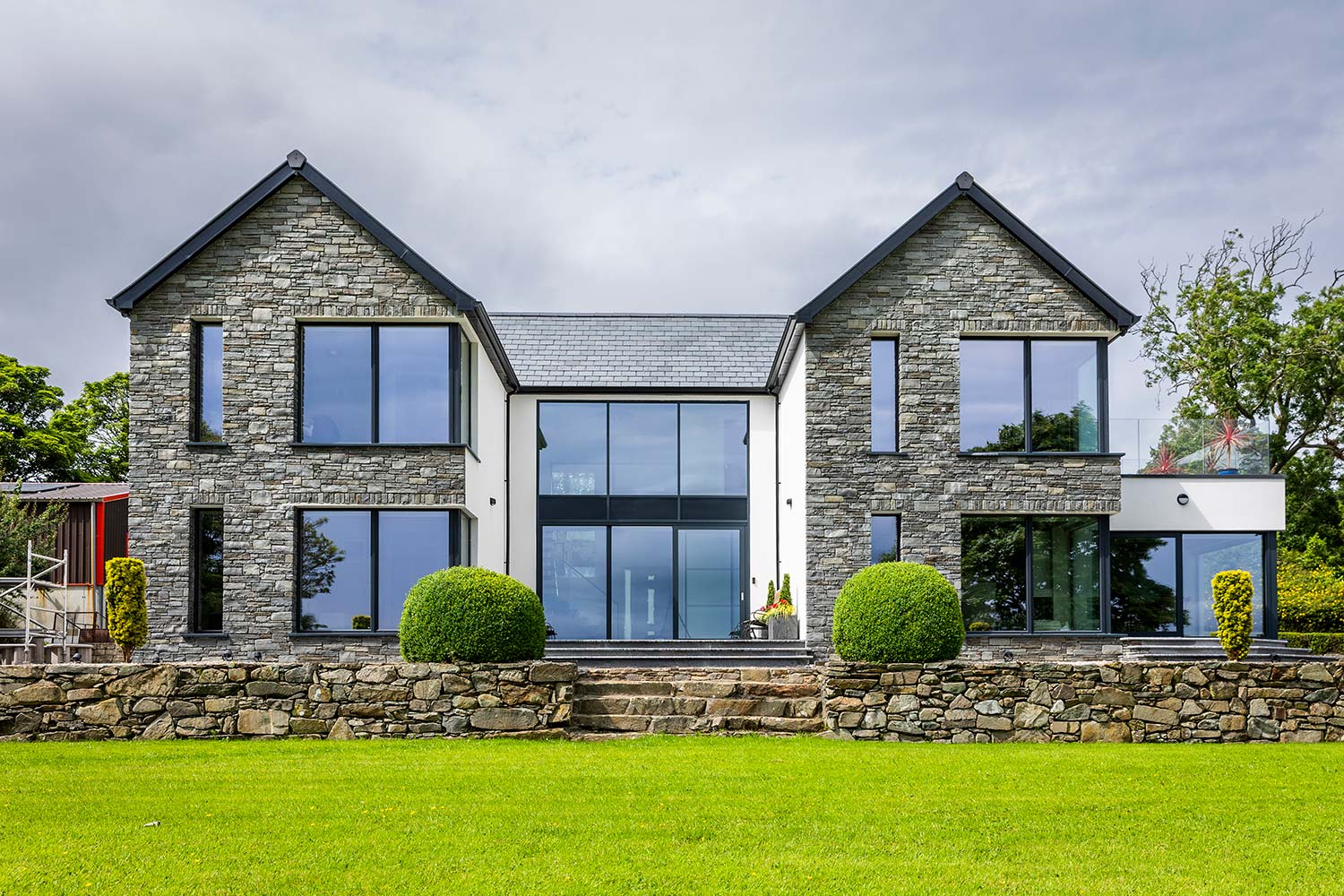
The newspaper estimates between 30 and 40 per cent of retention applications between 2024 and 2025 relate to large extensions, houses and agricultural sheds.
The majority of applications for retention (60 to 70 per cent) related to minor works such as small extensions, garden rooms, changes during construction to approved plans, boundary walls and the widening of driveways.
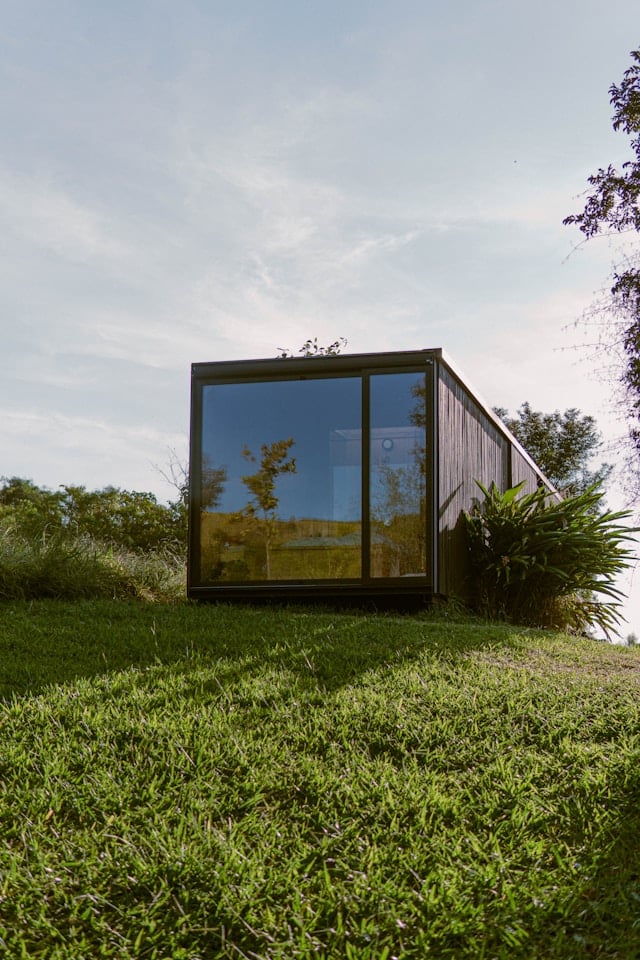
The Irish Independent said applications for log cabins built in the back garden for leisure purposes were granted more often than not, while those built to live in were usually denied.
There are plans underway to make it planning exempt to build modular homes in the back garden.
Retention approval rates
Out of the 11,064 applications, the Irish Independent said 6,075 were granted, which translates into a 55 per cent approval rate. Meanwhile 884 applications were refused.
The Irish Independent reports that during the same timeframe An Coimisiún Pleanála received 545 appeals relating to retention of which 176 were granted, a 32 per cent approval rate to date as 103 were awaiting a decision.
Of the 545 appeal cases, 160 were refused, 106 were invalid, withdrawn or dismissed.
Out of the 11,064 retention applications with local authorities, 4,105 were deemed invalid, withdrawn or yet to be decided. The largest number of applications were lodged with Dublin City Council (2,173) and Cork County Council (1,017).
The newspaper reports that the highest number of enforcement notices were issued in Wexford (431), Limerick (321) and Kildare (275).
Why do people seek retention?
To comply with the planning regulations, anyone who wishes to build or carry out certain types of alterations (some are planning exempt), they must apply for planning permission.
If they do not apply for planning permission, or are refused planning permission, and still go ahead with building or altering, they are in breach of the regulations.
Retention is typically sought as part of the conveyancing process, when the homeowner is selling their house and solicitors check that all documentation is in order, including planning permissions.
Another reason to seek retention is if someone has reported the development to the local authority, which first triggers a warning letter then an enforcement notice.
Recent examples of retention being denied include a log cabin in Wicklow and a modular home in Tipperary.
There are examples of homes that are built without planning permission that are granted retention, such as a recent case in Co Cork.