In this article we cover:
- The planning challenges facing rural self-builders in Ireland.
- Ger O’Sullivan’s experience securing retention for his family home.
- How neighbours and conservation groups can influence rural builds.
- The impact of current rules, like “five-in-a-row” restrictions, on farm families.
- Calls for a more consistent, streamlined planning approach.
For many rural families, building a home on their own farmland has become a complex and costly challenge. The case of Ger O’Sullivan, a farmer from Walshestown, Ovens, Co Cork, as reported in The Herald, illustrates the struggles faced by those navigating Ireland’s planning system.
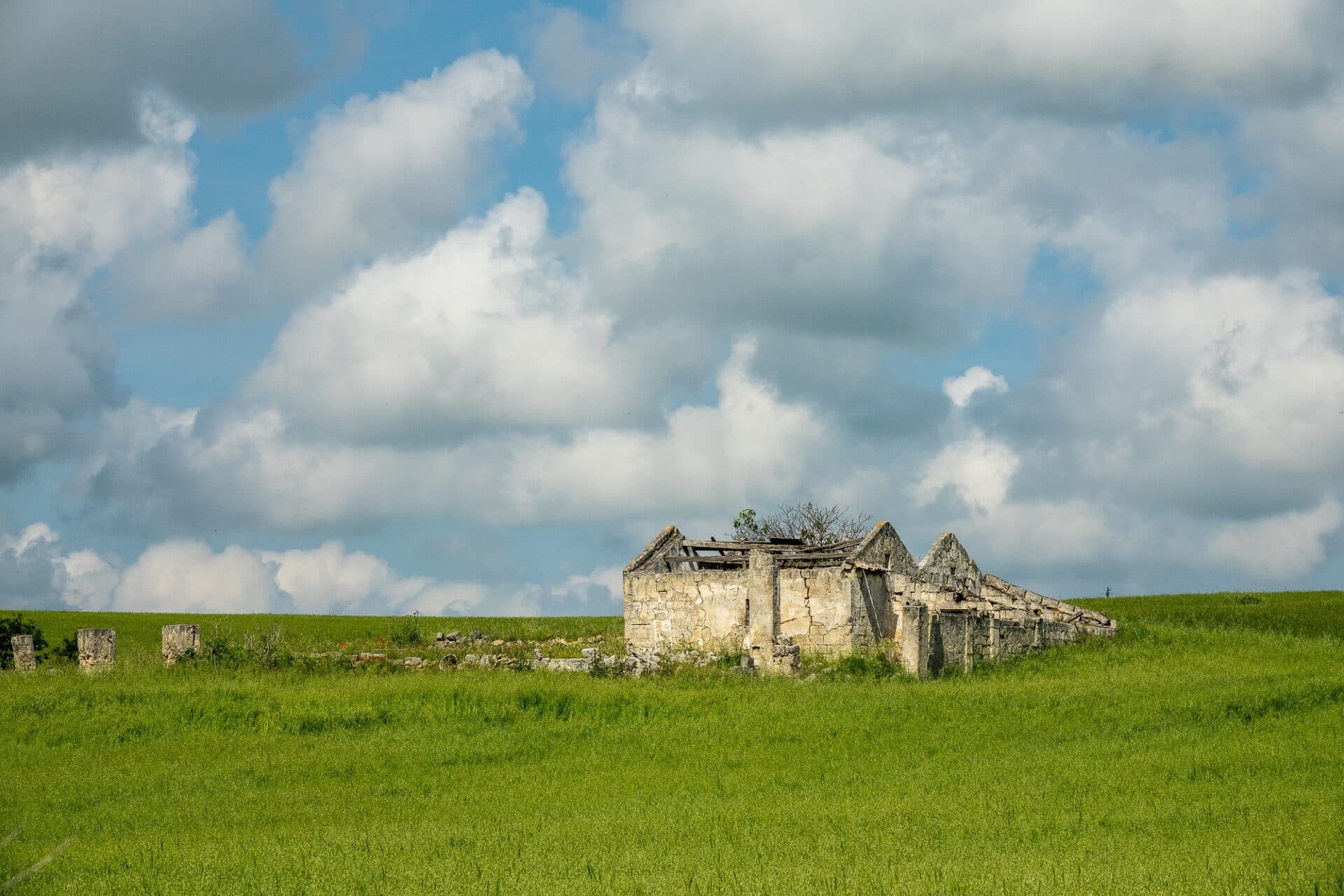
Mr O’Sullivan bought a 19-acre farm in 2016, which included a derelict cottage and outbuildings. He initially planned to renovate the 65 sqm cottage and add a small extension, but due to its deteriorating condition, he replaced it with a modern 110 sqm bungalow to provide accessibility for his elderly parents. He admitted he did not seek planning permission at the time “due to the uncertainty with Covid.”
Neighbours and conservation groups objected to the development. Bill O’Regan, a nearby farmer, warned that granting retention could set a precedent in a high-value landscape. An Taisce, the national charity for environmental conservation, also submitted observations.
Ultimately, An Coimisiún Pleanála granted retention permission, with conditions including the planting of trees and hedgerows and a financial contribution to the local planning authority. Mr O’Sullivan’s brothers had similarly received retention approvals for other works on their family farmland, highlighting recurring tensions between local residents and developers.
The O’Sullivan case reflects broader concerns about rural housing policy. Fine Gael TD Willie Aird, speaking from Laois, has warned that current rules – such as the “five-in-a-row” restriction limiting consecutive houses along a road – force young farmers to leave their communities.
“For generations, families in rural Ireland have lived, farmed and contributed to local communities,” reports Laois Today. “Yet current planning rules are making it harder for them to remain at home,” Deputy Aird said. He called for a consistent national approach, streamlined processes for family applicants and a review of outdated restrictions on ribbon development.
At national level, the Taoiseach has acknowledged the difficulties faced by rural self-builders. Speaking at a Fianna Fáil think-in in Cork last September, Micheál Martin confirmed that a long-awaited review of planning guidelines is underway, with the aim of making it easier for people to build homes on their own farmland. Local authorities may also be encouraged to rezone land near towns and villages to ensure more serviced sites become available.
However, he stopped short of promising swift reform, pointing to ongoing challenges such as high construction costs, limited infrastructure and the need for effective wastewater solutions.
Launched last month (November) the Government’s new housing strategy – Delivering Homes, Building Communities: An Action Plan on Housing Supply and Targeting Homelessness, 2025–2030 – makes no direct reference to providing support for people to build homes on their own farmland.
Requests for comment have been made to the Department of Housing and Fianna Fáil, specifically seeking details on timeframes and implementation, with any responses to be included in a follow-up.