In this article we cover:
- Urban garden design
- Indoor/outdoor living solutions
- Planting around Corten steel
- Mixed planting
- Top tips for urban gardens
- Garden plans with imagery
Level changes in a garden can be a challenge to design around, but they can also result in a space that’s far more interesting than a completely flat one.
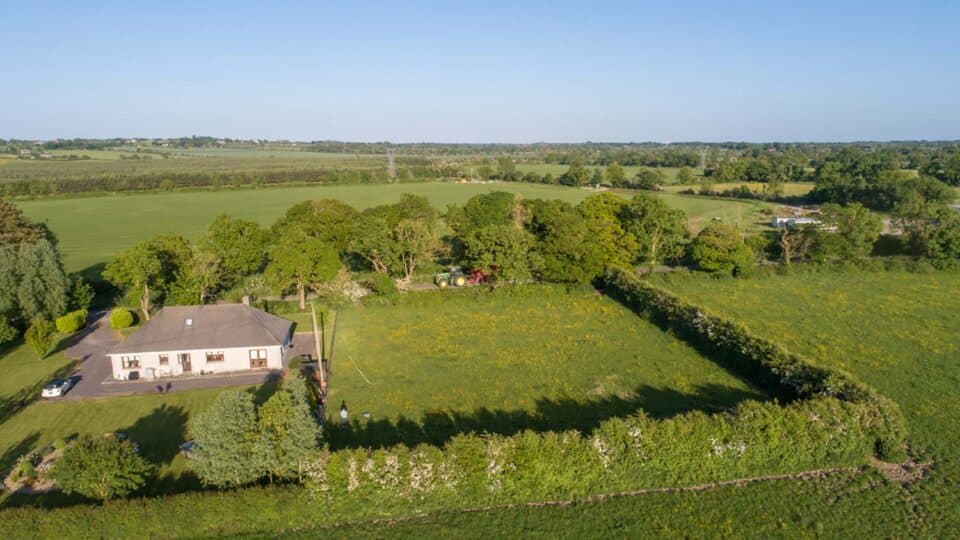
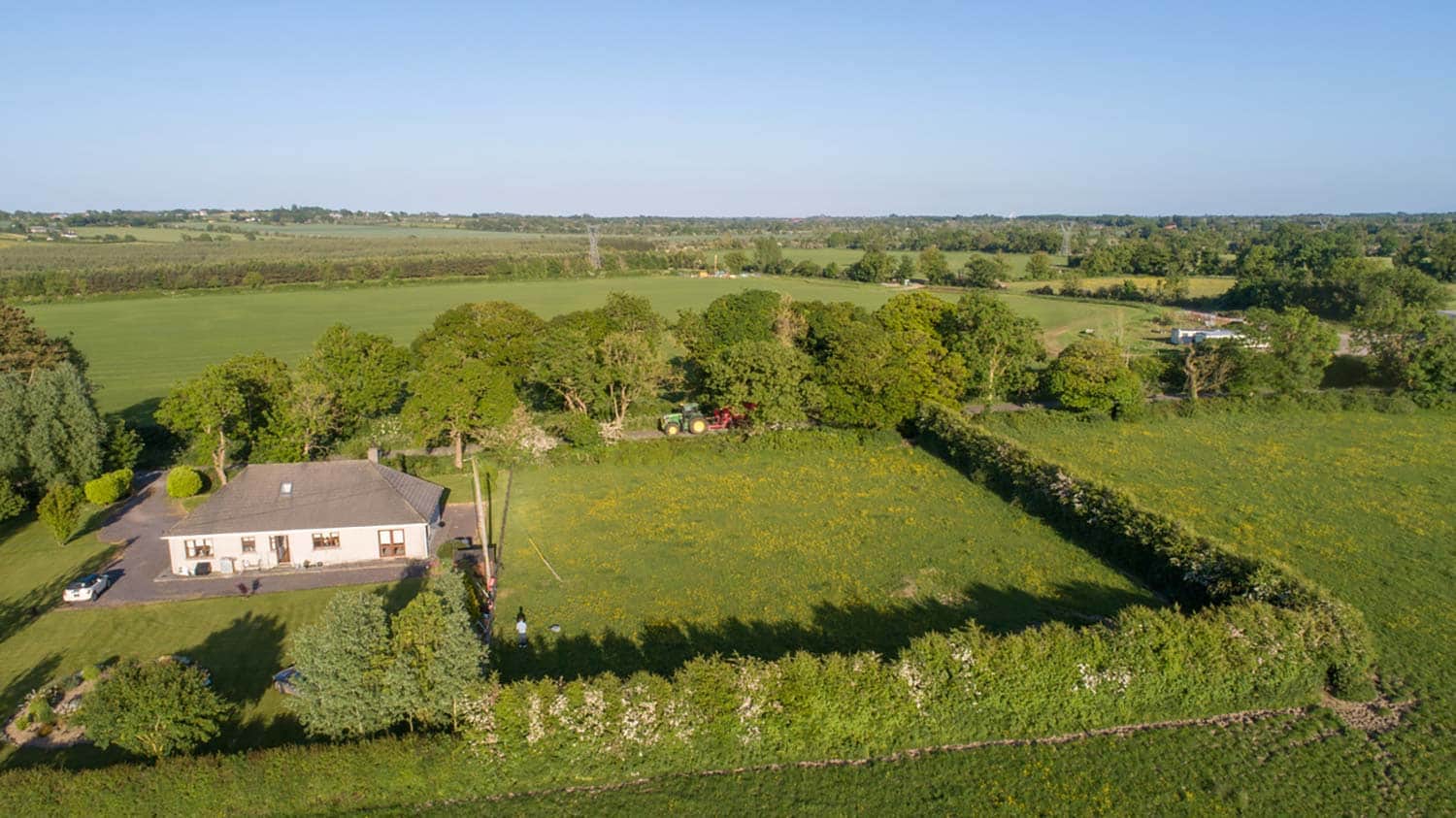
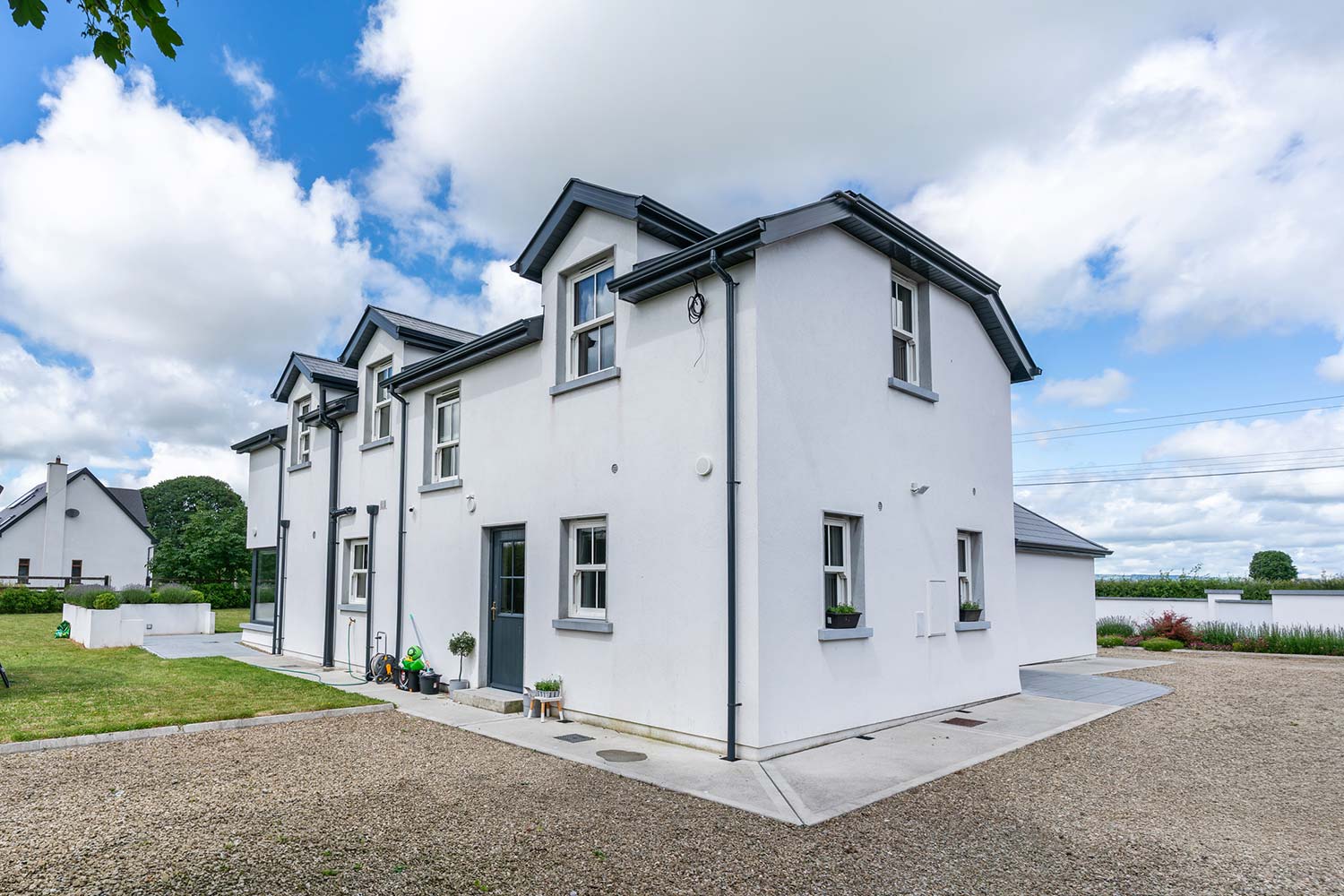
Case in point is this impressive home that was completed recently on a large urban site in Co Tipperary. The front of the property had some attractive trees that were retained during the build, while the rear was a bit more challenging for the garden design.
The site needed to be levelled for the house, leaving a high bank at the very back of the site, with the boundary wall and hedge at the upper level. Access to these needed to be retained, with the main part of the garden being about two metres lower.
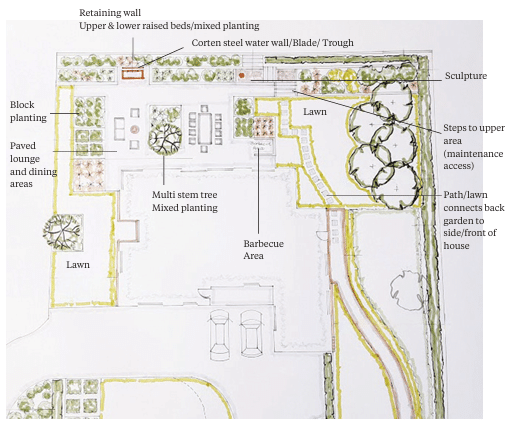
The steep level change at the back is addressed with retaining walls of two different heights, each enclosing a planted area, forming a double tier or terrace of raised planted beds running the length of the seating space.
These are planted with shade loving perennials, ferns and grasses as this area will be in shadow for much of the day.


Indoor/outdoor living
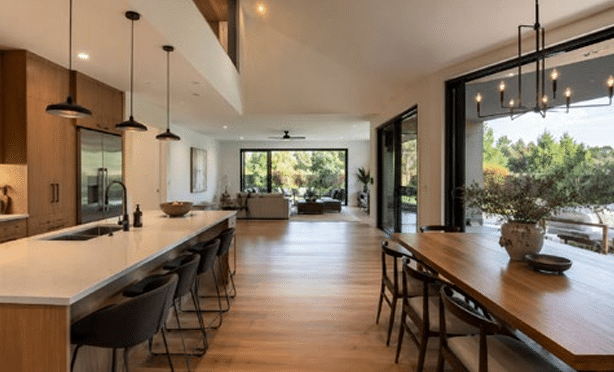
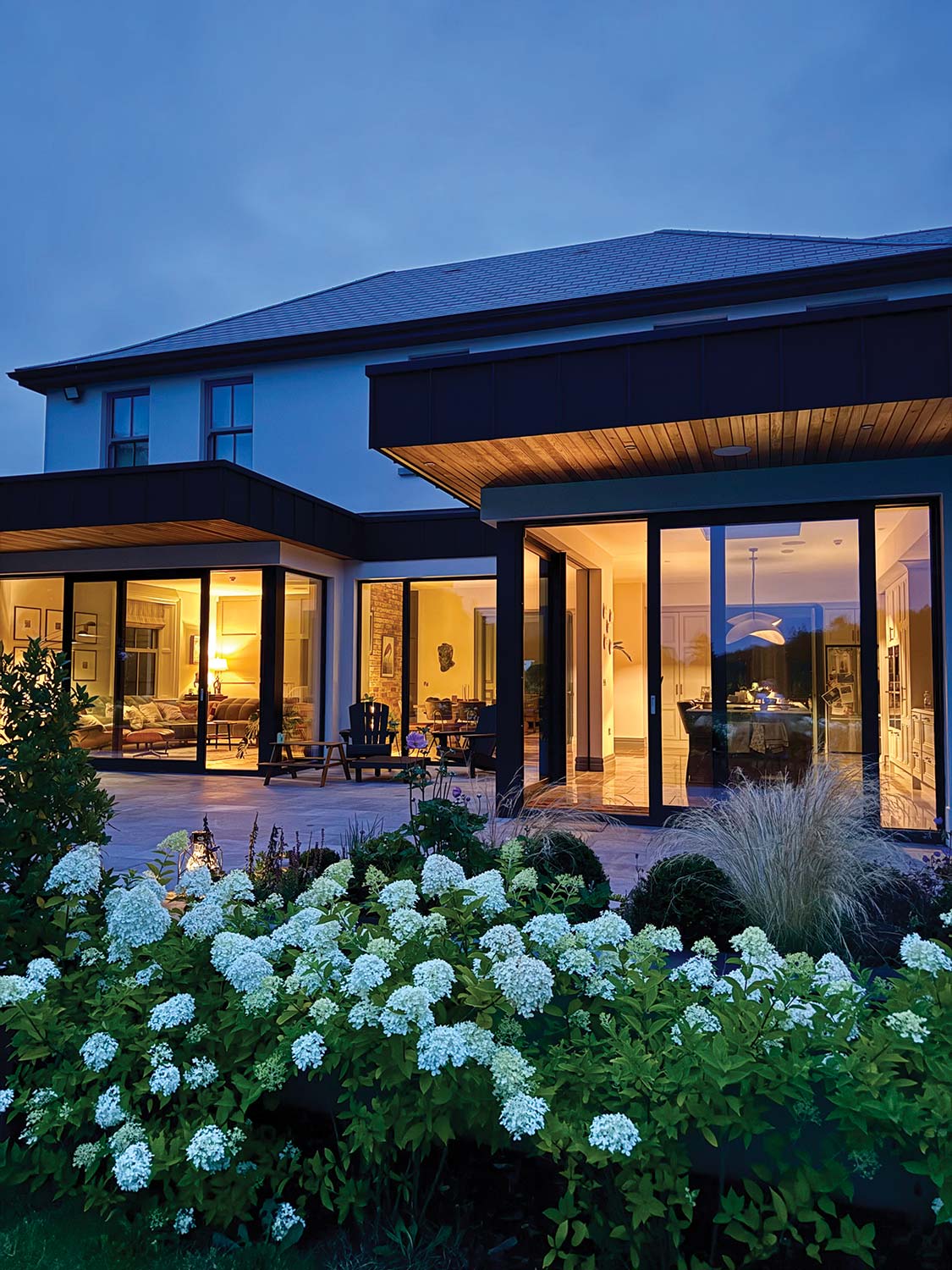
The house is contemporary in style and the owners wanted to embrace indoor/outdoor living for as much of the year as possible, so two sets of glass doors connect the long open plan space at the back of the house with the garden beyond.
The idea was to create separate zones, one for dining with family and friends, and another for relaxing with comfortable, lounge-type seating. The remaining third of the garden could contain lawns and planting.
The wide planted bed in the centre divides the seating areas into two distinct zones, with the dining zone nearest to the doors leading from the kitchen. The multi-stem tree adds structure with perennials and herb plants below.
An enclosed barbecue area is located to one side, and each side contains block planting for a sleek, contemporary feel.
Rounded and square evergreen shapes contrast with grasses and carefully selected shrubs, each planted in a block of one species, providing a contrast to the mixed planting in the middle.
Planting around Corten steel
A gap in the lower raised bed is faced with stone and holds a two metre long Corten steel (weathering steel) trough or raised pond, into which water falls from a blade in a ‘pond wall’.
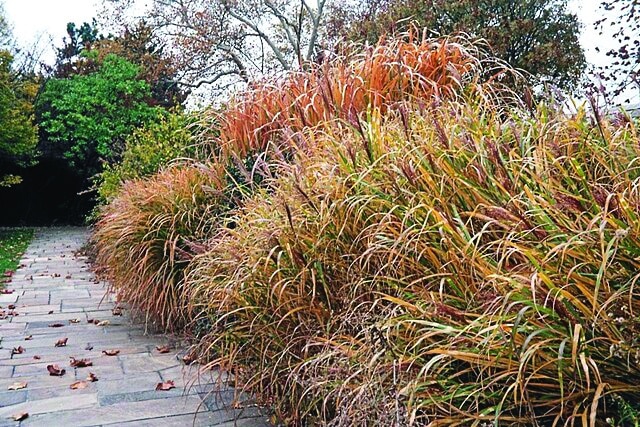
I love incorporating Corten steel into my garden designs – it works so well with straight lines and contemporary spaces but also with more traditional ones. The rich bronze colour makes a lovely foil for grasses and ferns and picks up the tones of grasses like the pheasant’s tail grass, anemanthele lessoniana.
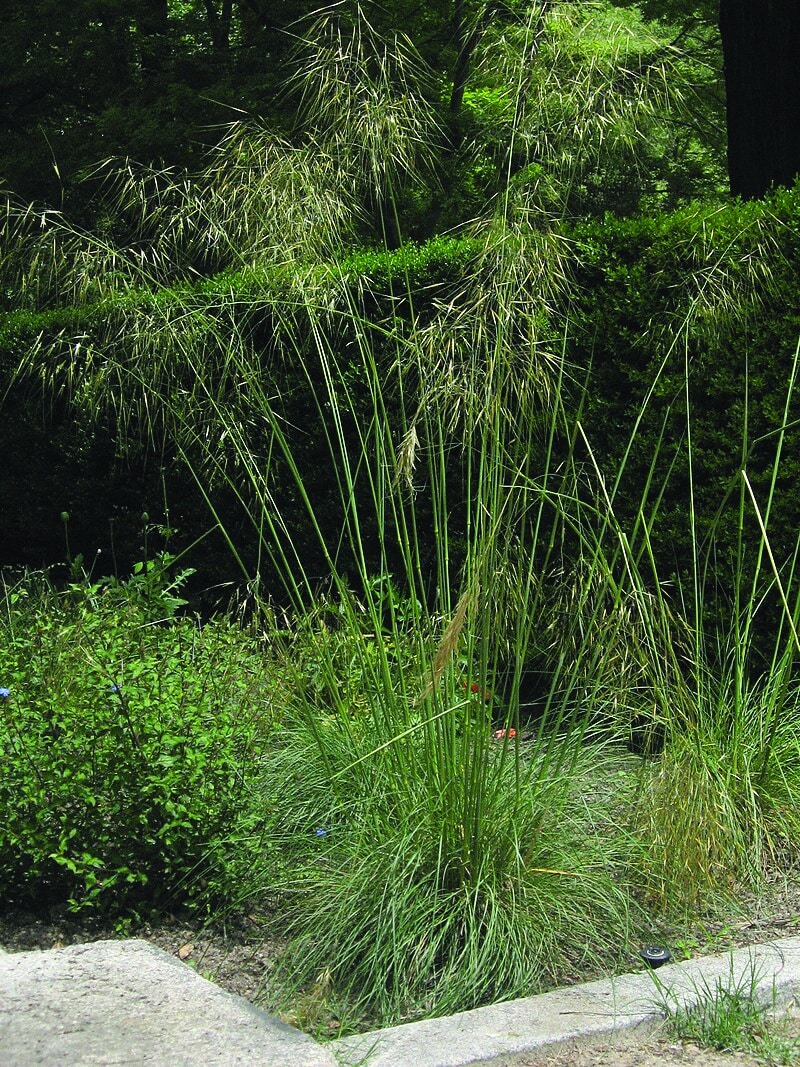
Grasses were high on the wish list for this garden with several varieties being incorporated to provide interest for as many seasons as possible. Anementhele, together with carex varieties, provides movement and structure in winter, with stipa gigantea and miscanthus ‘Gracimilus’ adding lushness in summer.
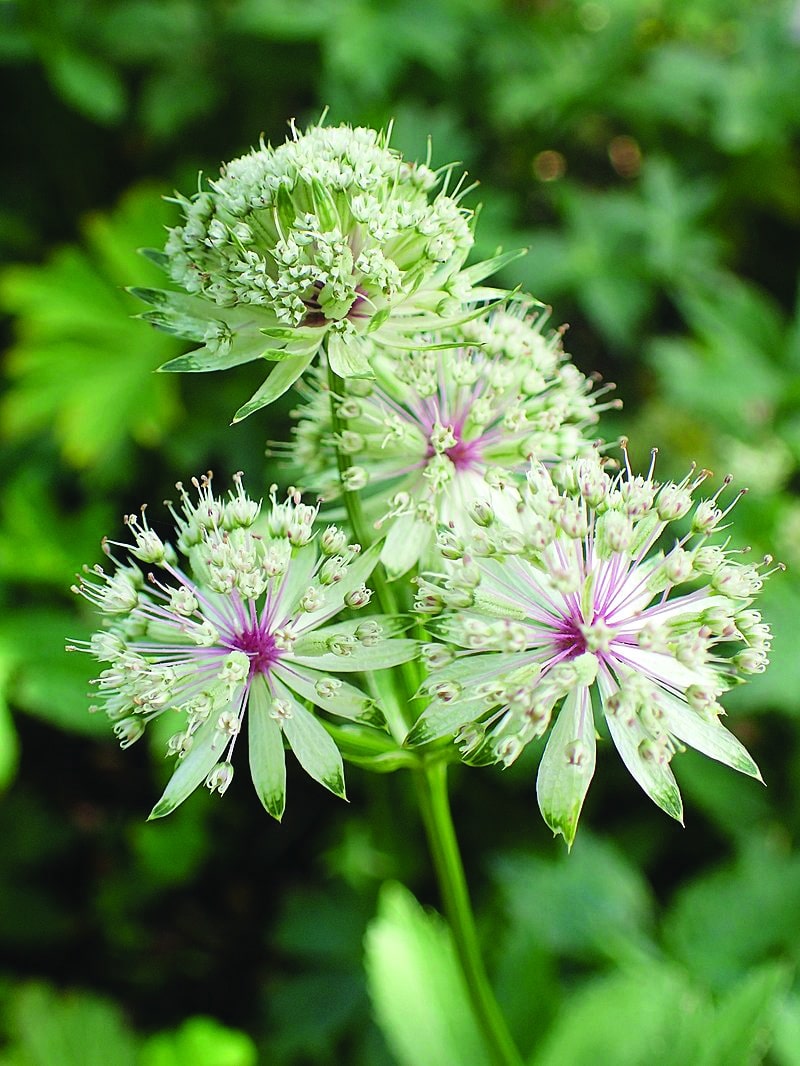
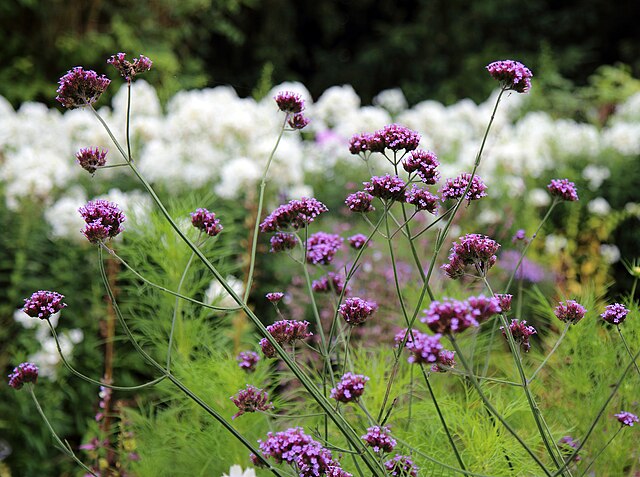
Tall, airy perennials such as thalictrums and verbena bonariensis work particularly well with grasses and bring a delicate, pretty presence to the straight lines of the hard landscaping.

Mixed planting
Beyond the seating areas, steps zigzag up to the higher level, with a sculpture halfway along providing a focal point. The double raised beds continue here with a clipped green hedge above to provide a contrast to the more relaxed shrub planting below.
Lawn connects the back garden, via a wildflower meadow bisected by a curved path, to the front of the property.
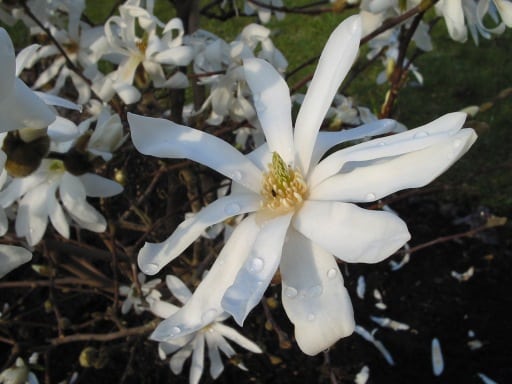
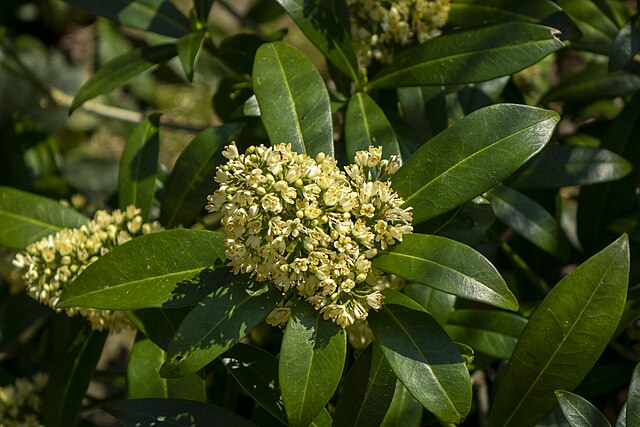
Late winter and spring interest is included with bulbs and early flowering shrubs like magnolia stellata and skimmia ‘Kew Green’. Helleborus x hybridus provide colour and cheer in January and February.
I like to plant these close to a door or window, where they lift the spirits on dark, grey days with the promise of warmer days and fresh new growth.
Anne’s tips
The ‘right plant, right place’ rule. Larger gardens are often divided into zones for different use but remember that plants can benefit from a zoned approach as well. Almost every garden will have a variety of conditions in different parts, so select and place plants where they will thrive.
Many herb plants make lovely additions to the garden as well as adding the wow factor to summer barbecues. My favourites are oregano (origanum vulgare) or marjoram with pretty mauve and white f lowers in summer, and evergreen thymes, rosemary and sage for their aromatic leaves.
Consider a garden sculpture or water feature. It may not be a top priority in your home and garden’s early stages, but setting aside a location for them means you can ensure power cables are included where you’ll need them later.