In this article we cover:
- Looking for a house to buy
- Farmhouse purchase
- First steps to renovate
- Top tip regarding electricity
- Issues with conveyancing
- Photos of the house as bought
Overview
House size: 209 sqm
Plot size: 1.75 acres
Bedrooms: 2
BER: E2
Existing heating system:
Condenser boiler and range with
back boiler
Ventilation: Natural
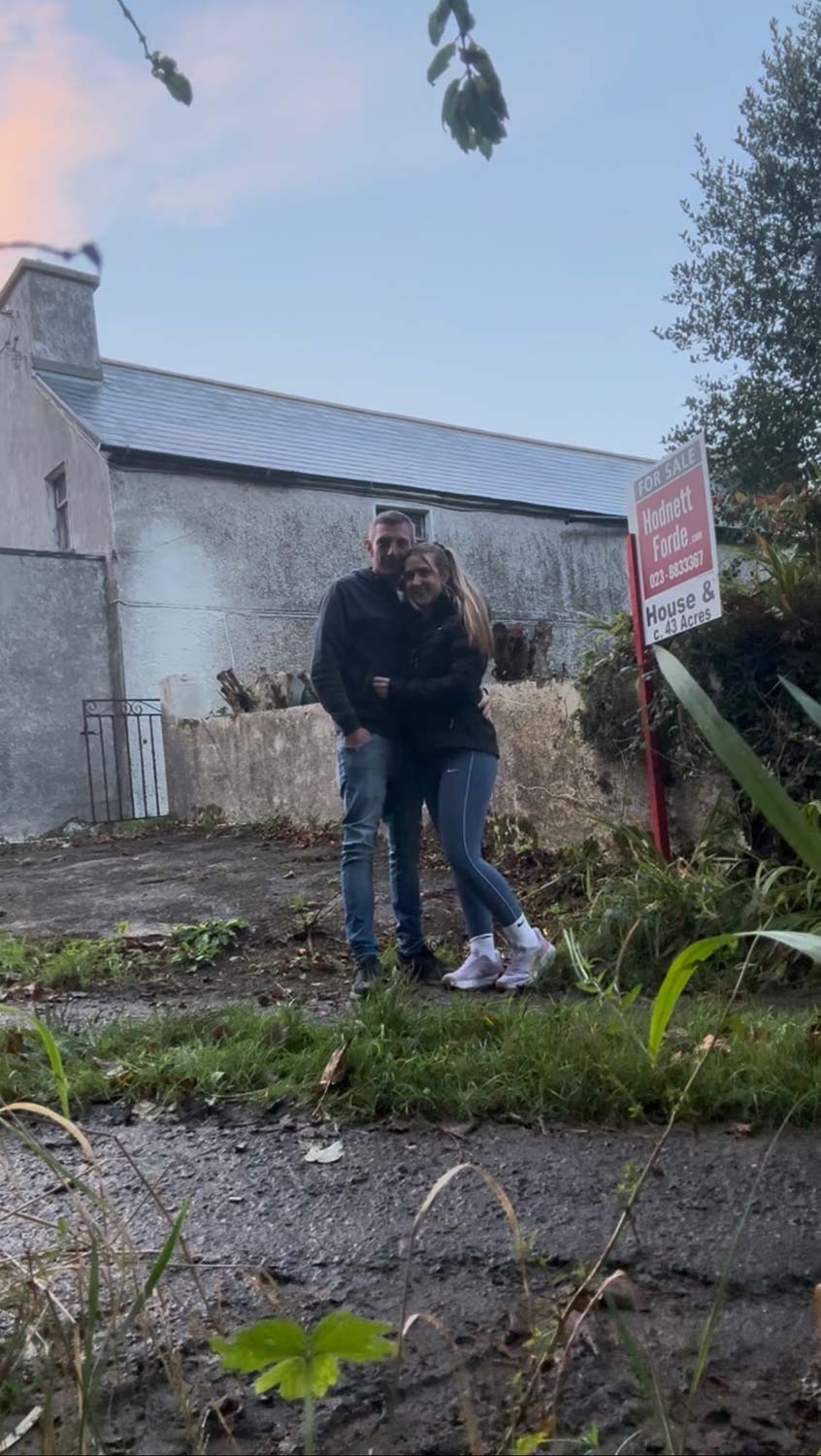
Fulfilling their dream of carrying out their very own Great House Revival, as they’ve seen it on telly, Grace Mc Donnell of Co Cork shares how she got started with her partner Declan McCarthy in the first instalment of her self-build diary.
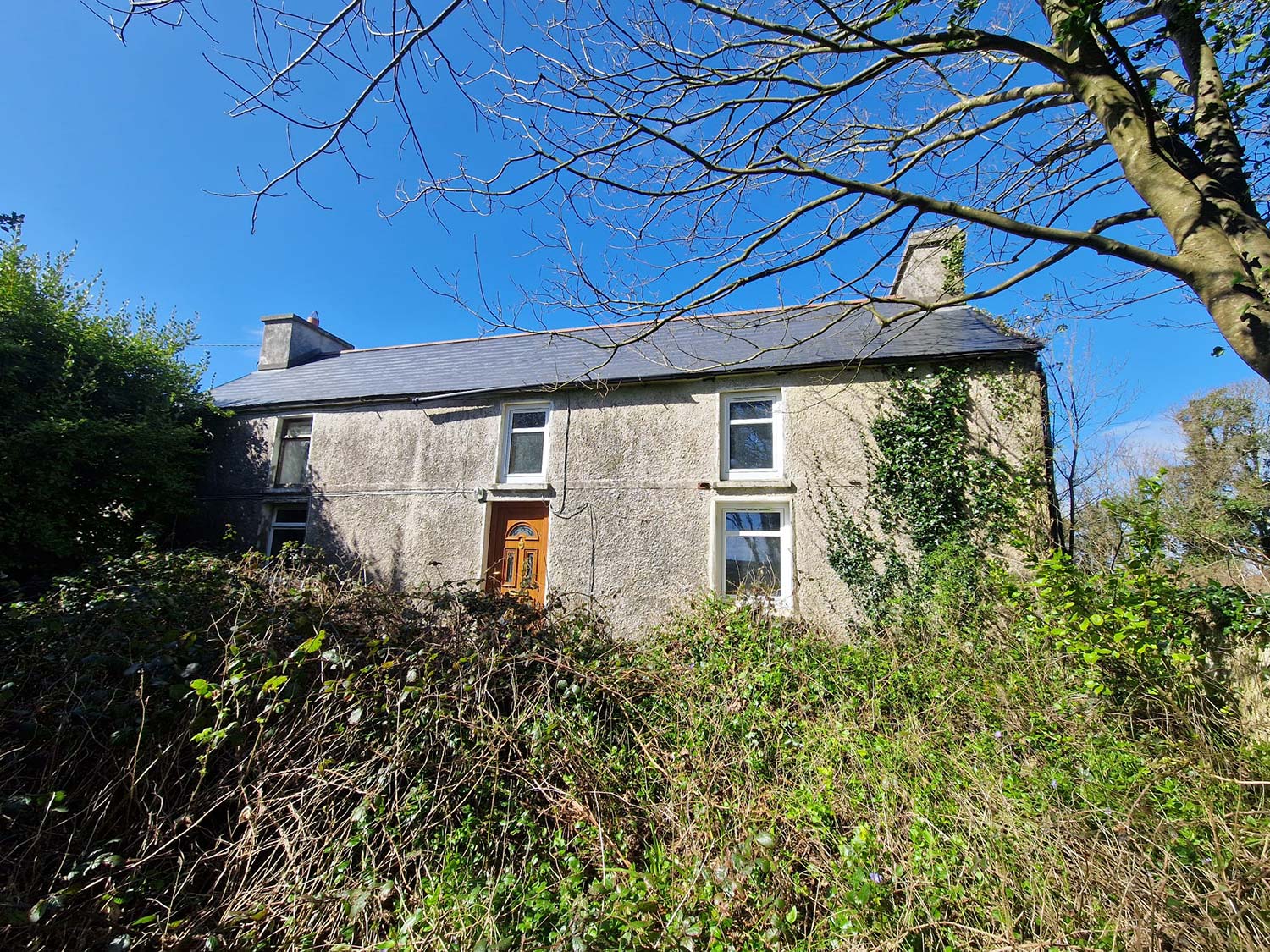
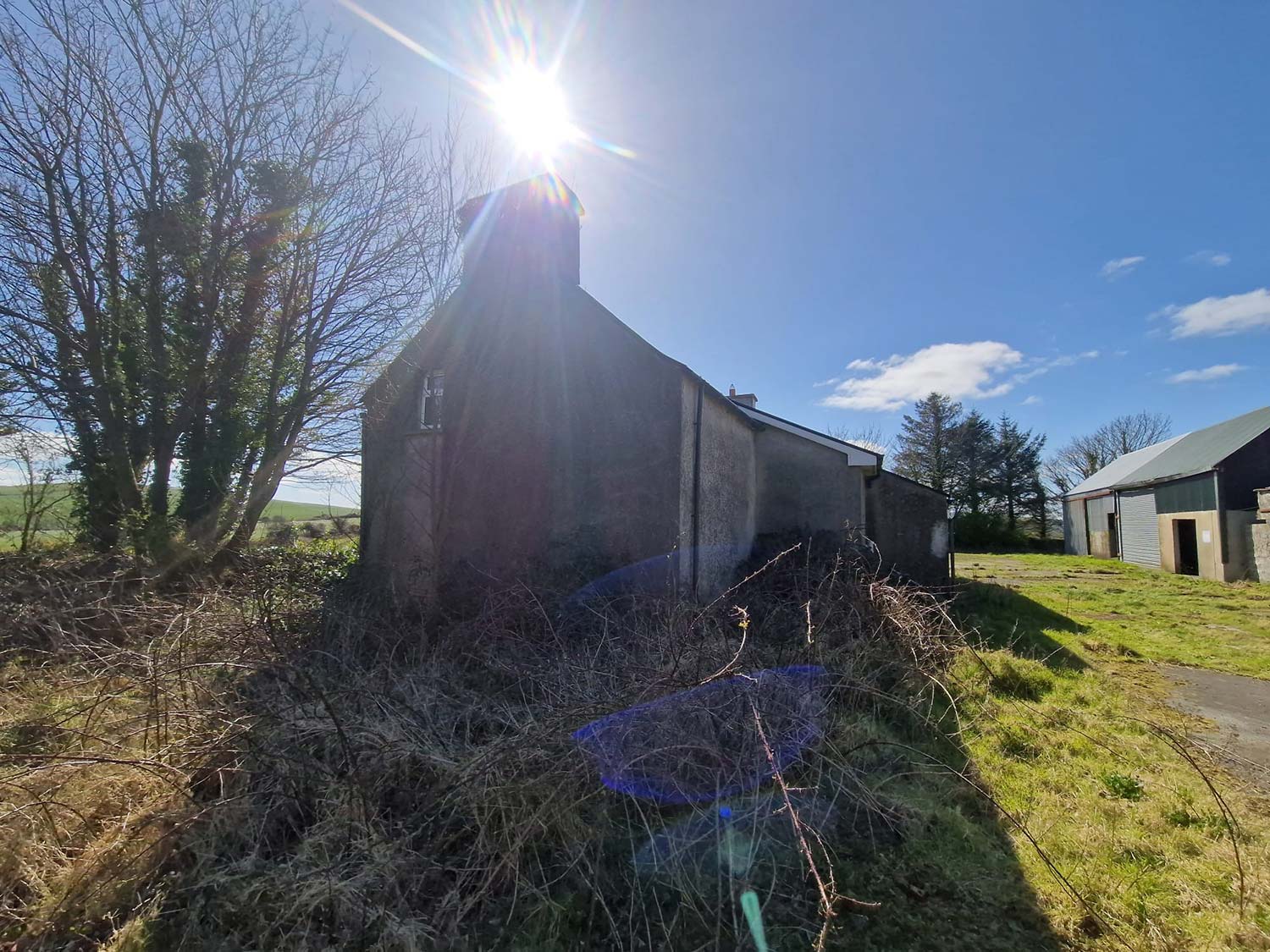
After two and a half years of failed bidding wars, we finally secured our dream home: a 200-year-old farmhouse. It’s been a year since we went sale agreed and we’re now in the thick of renovating it.
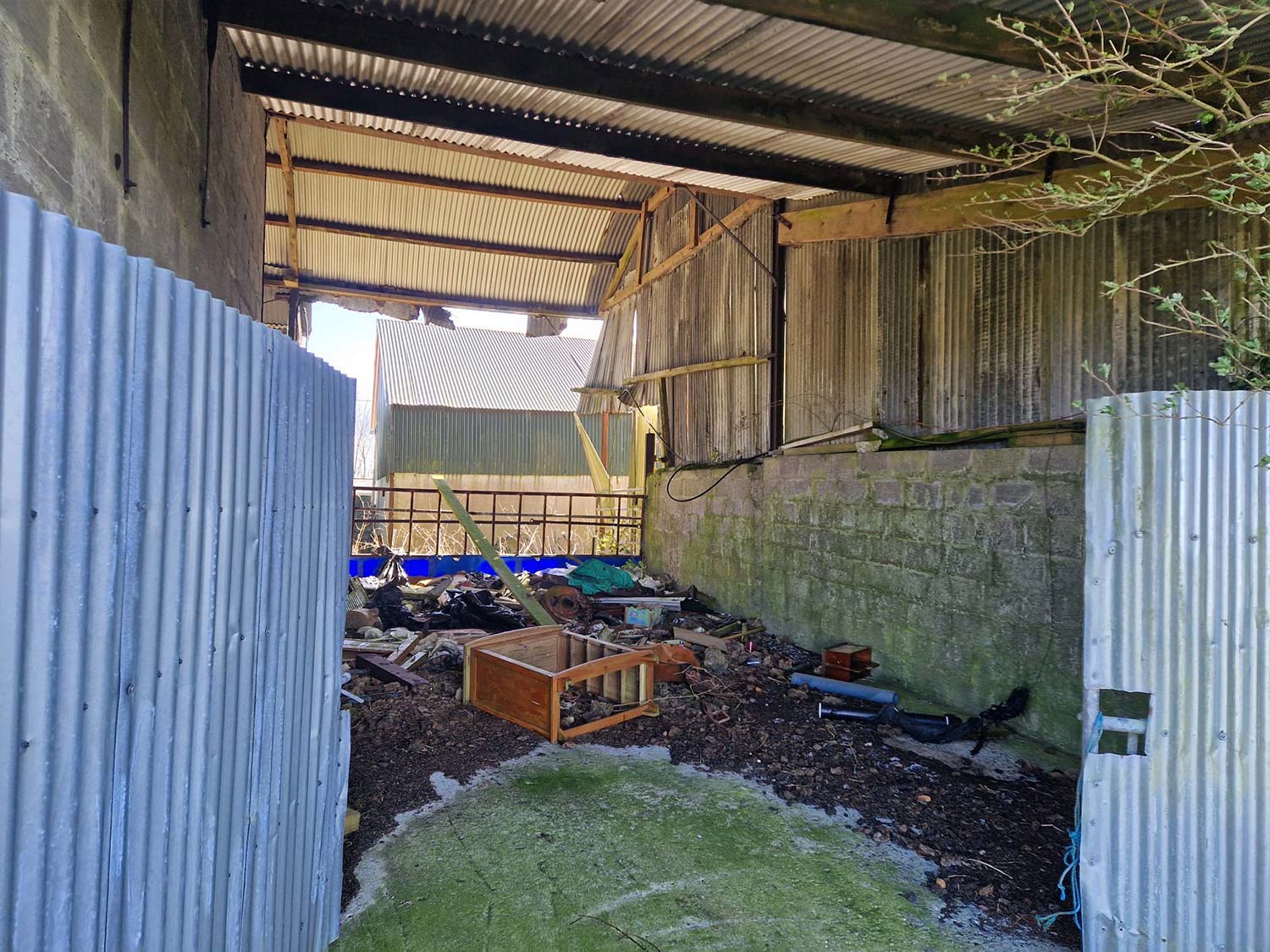
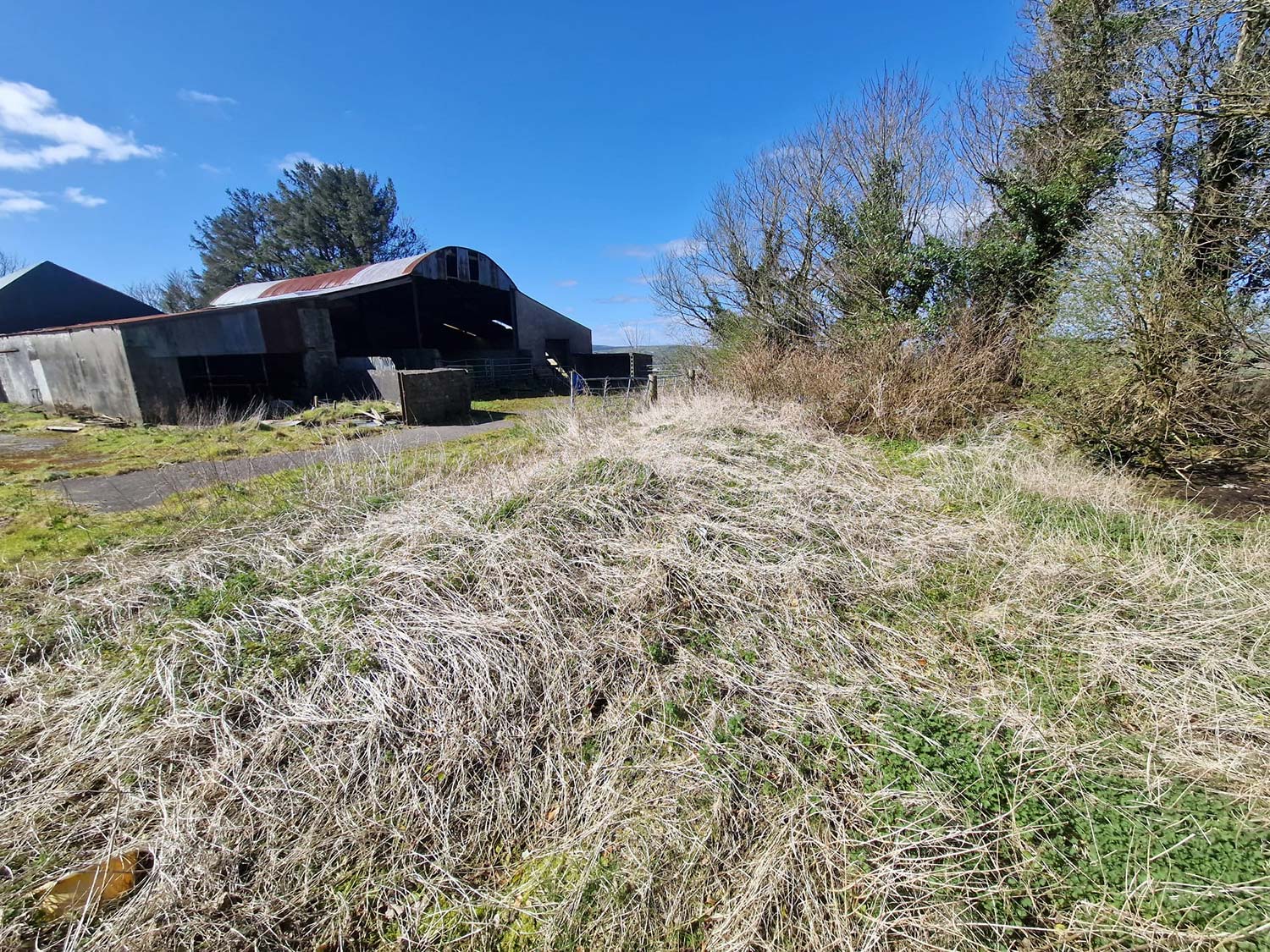
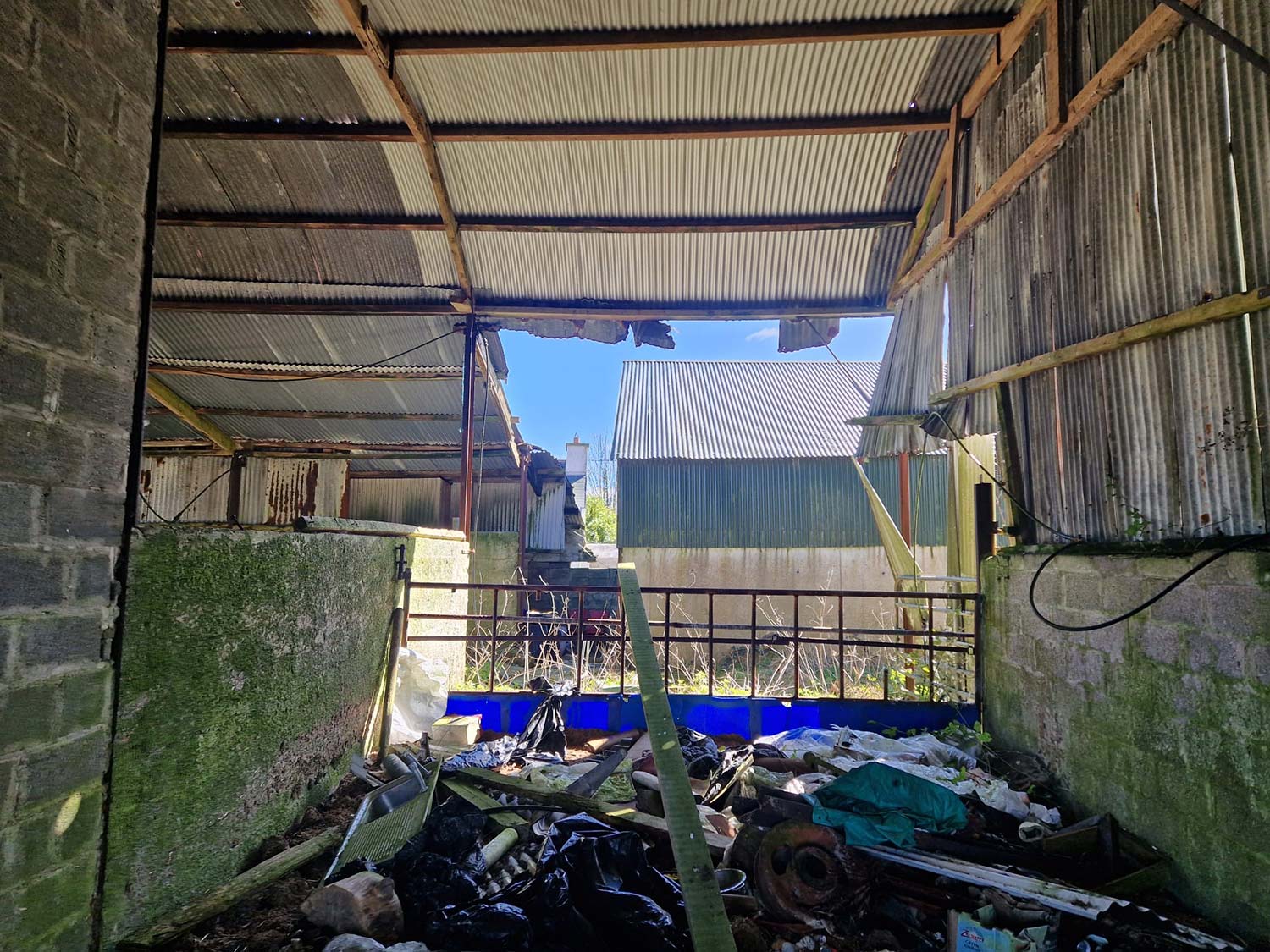
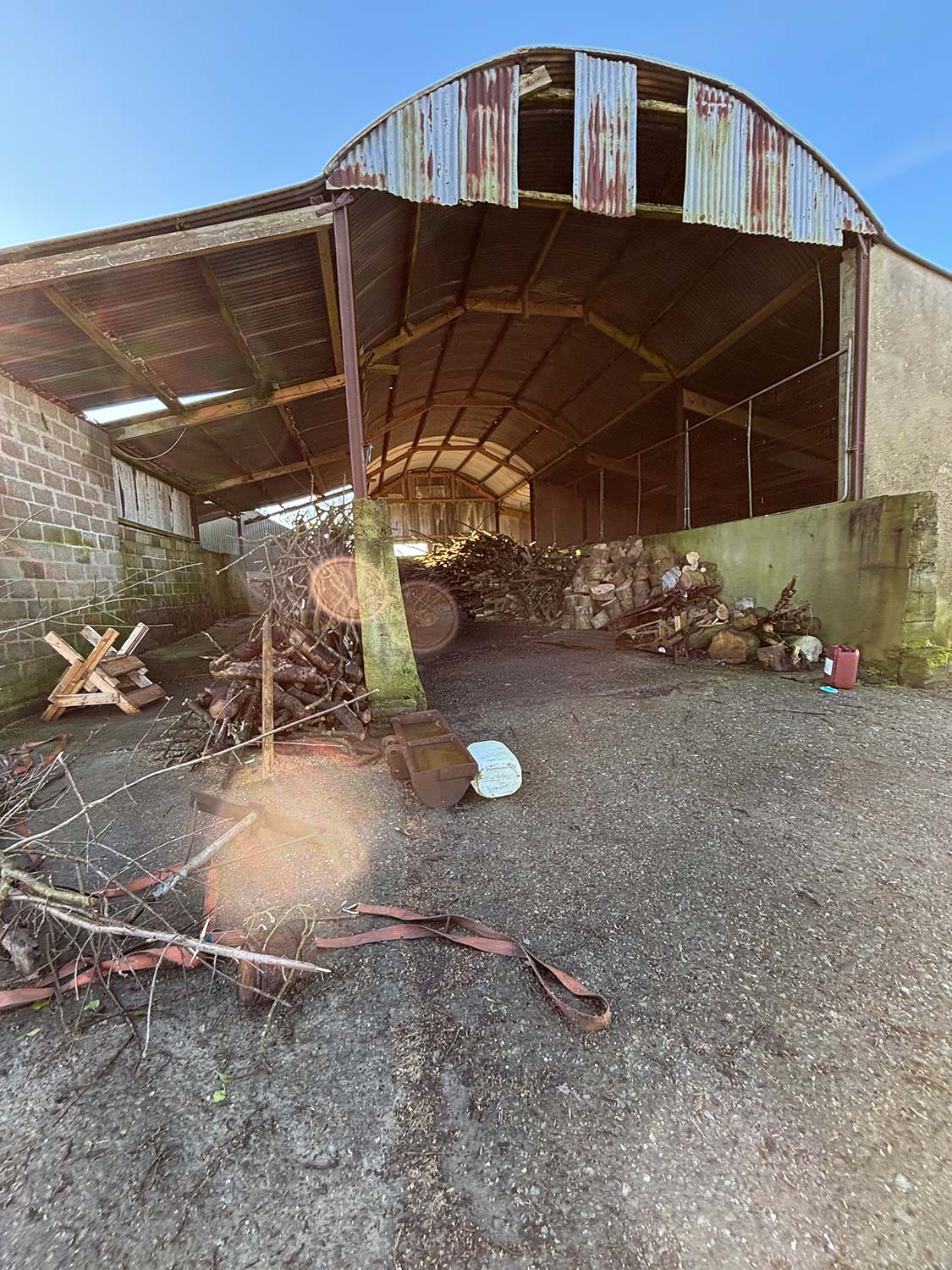
Our farmhouse is flanked by outbuildings, including a new-ish shed, a milking parlour, barns and just under two acres of land. How we got to this stage was not easy financially and mentally. The story of what we’ve been through so far will hopefully help someone else who is thinking about taking on a similar project.
For us, hammering home our savings, making a non-negotiable list and communication were what got us from constantly being outbid to finally being successful and collecting the keys to this beautiful little haven we get to call home.
Our approach
Dec had the better numbers brain, so he made spreadsheets to figure out where our money was going, what we needed to live on and what was achievable to put away towards a house.
This worked well for us both; our joint account was out of bounds. Each time we were outbid had its own silver lining because for every new house, we were financially getting into a better position to be the successful bidders.
Between us we made a list of what we were not willing to give up on – we wanted a house in a private setting, land and outbuildings. It ruled out lots of viewings for us, as our lifestyles and the importance of those things trumped just owning a home.
Over the years we spent bidding it was easy to get desperate and start to lose hope. We would start to question whether we needed to look at other styles or locations. Communicating this with each other kept bringing us back to our non-negotiables, which we both knew deep down were important to stick to. We also knew we were very lucky to be in a position where we could.
Conveyancing The process from sale agreed to sold took five months. During that time, we requested what’s known as a caretaker’s agreement from the seller who very kindly granted it. What this meant was we could tidy up the land and outbuildings while we were waiting for the sale process to go through.
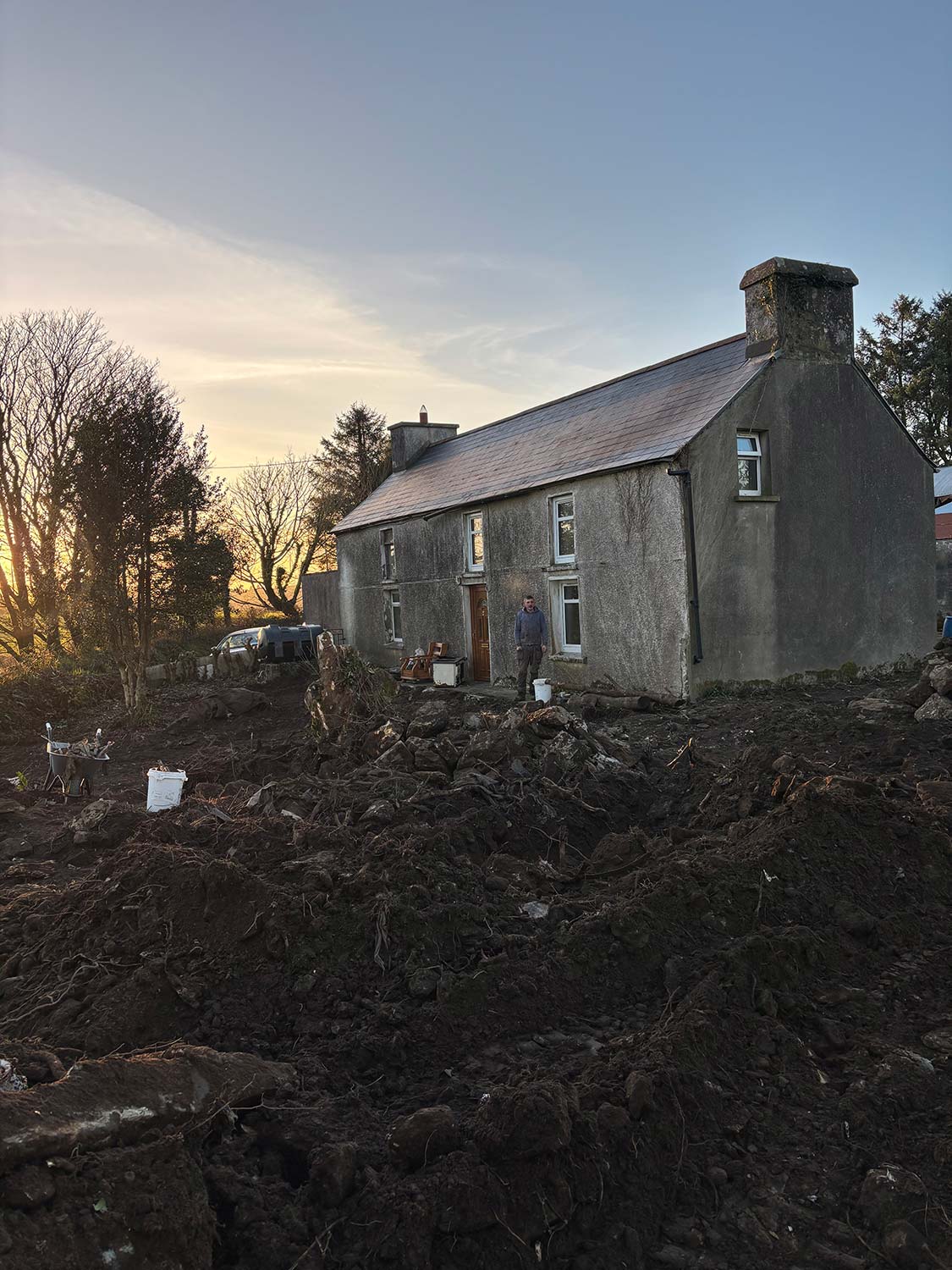
Was this a risk? Of course, however we knew if any issues were going to pop up with the property we were still going to follow through with the sale. I suppose from the seller’s point of view we were only adding value to the place by tidying it up if the sale were to fall through. It had been left vacant for a number of years so the grounds were very overgrown.
What used to be a working farm took us a few months to get tidied up. Having this time to be able to clean the place up while we waited for the keys meant we could take some time in our surroundings and make plans for the next steps.
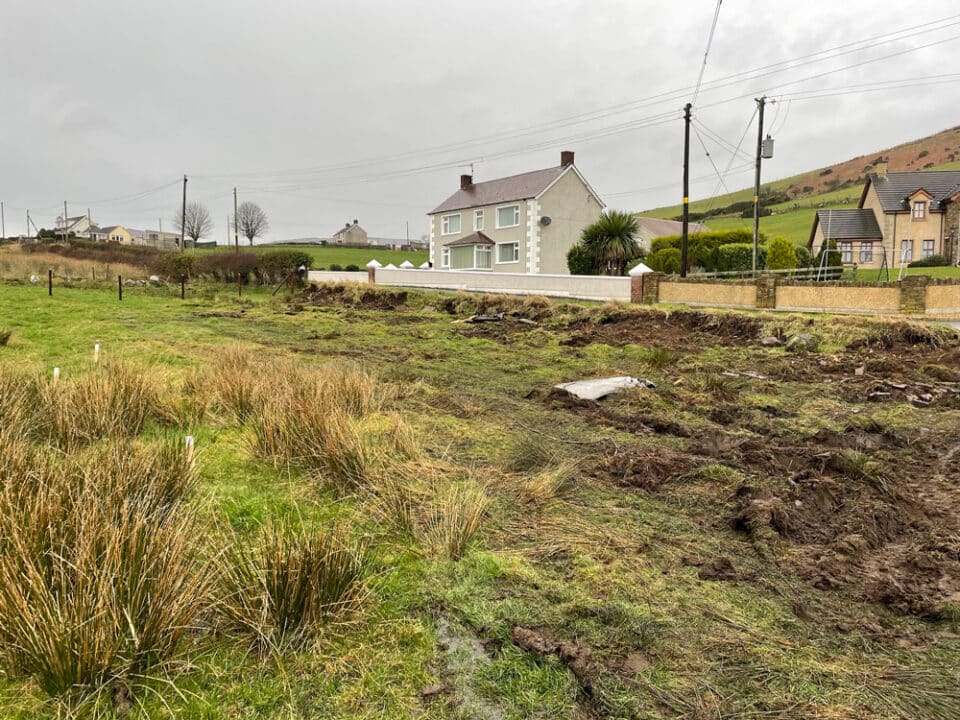
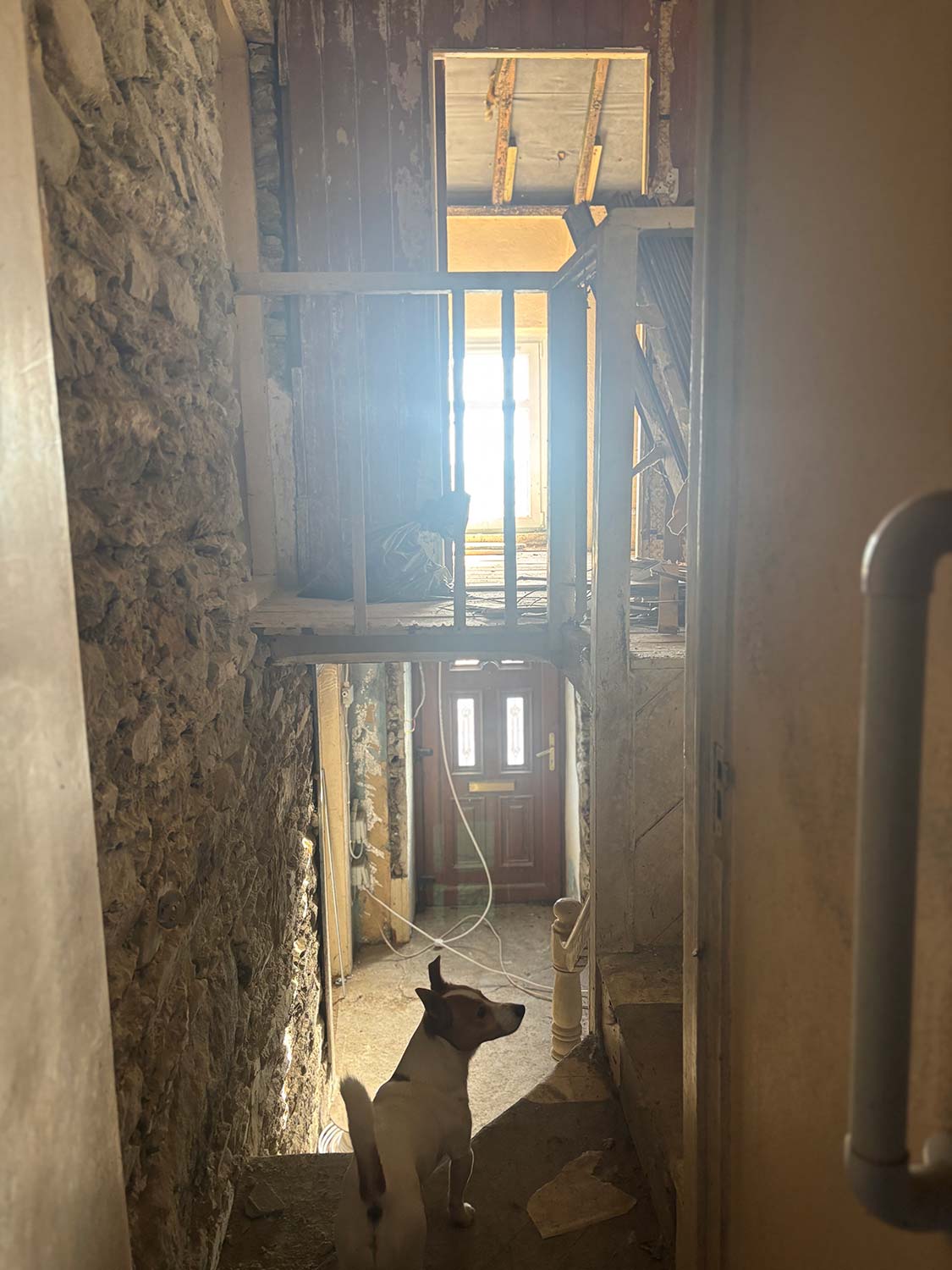
September finally brought the keys – and a house frozen in time. As the first owners outside the McCarthy family in two centuries, we inherited a treasure trove of history dating back to the 1800s.
It wasn’t a site; it was a story. Now, as we prep for our first architect visit our goal is simple: to honour the old quirks – old hearth, stone walls etc. We want to knock the existing extension to rebuild; our plan for the outbuildings is yet to be confirmed. As for the land we will be planting, growing and hopefully attracting more wildlife.
What’s next on our journey? Meeting with our architect will lead to finalising the design and navigating grants as well as applying for, and securing, planning permission. Our plan is to do as much of the renovations work as we can ourselves.
Don’t delay the lekky We made big savings with our ESB Networks connection. When we bought the house the power had been disconnected for 22 months. We got a temporary fuse board and a few waterproof sockets to get work started. It cost us roughly €70 for us to be reconnected.
If we had let it get to the 24-month mark, the cost would have been €3,600 + VAT as it would have been considered a new connection. Thankfully, we found an old bill with the MPRN, the meter number, which made the process seamless when we contacted the ESB over the phone to reconnect