In this article we cover:
- How smart homes stay user-friendly while delivering long-term benefits
- How professionally designed smart homes simplify daily life
- Why expert installation is better than DIY systems
- Ways smart technology can improve home security and energy efficiency
Q: I’m considering smart technology but have been a bit put off by your ‘Top 10 disadvantages of smart homes’ article. Surely the benefits of using tech outweigh the disadvantages nowadays, especially with AI and other advances?
A: Scott McMurray of Epitome Living: Whilst times have changed since smart homes were considered far-fetched utopian ideals, the leaning towards a dystopian vision of smart homes, that’s often fuelled by misunderstanding, makes a fair evaluation of smart technology more difficult for homeowners.
Let me unpack claims made in that article to offer a more rounded vision of the tech. Keeping things simple is indeed crucial. The beauty of working with a professional to design your smart system is that it’s their goal to simplify your life with your technology – or at least it should be.
This counters the claim that you shouldn’t personalise your smart systems. Professionals know how to configure the essentials and the ‘nice-to-haves’ to create an intelligent building that works exactly as required for the needs of the people in your home.
Instead of being tricky to use, then, your systems require very little hands-on input from you once they’ve been designed around your lifestyle. This seamless integration of multiple processes like heating, lighting, and access control is essential for a robust and user[1]friendly smart home.
Professional involvement means homeowners don’t have to do their own research about compatible systems and purchase them all themselves. The right smart technology company will be striving to make your life as easy as possible, both when it comes to designing the system and into its installation and maintenance.

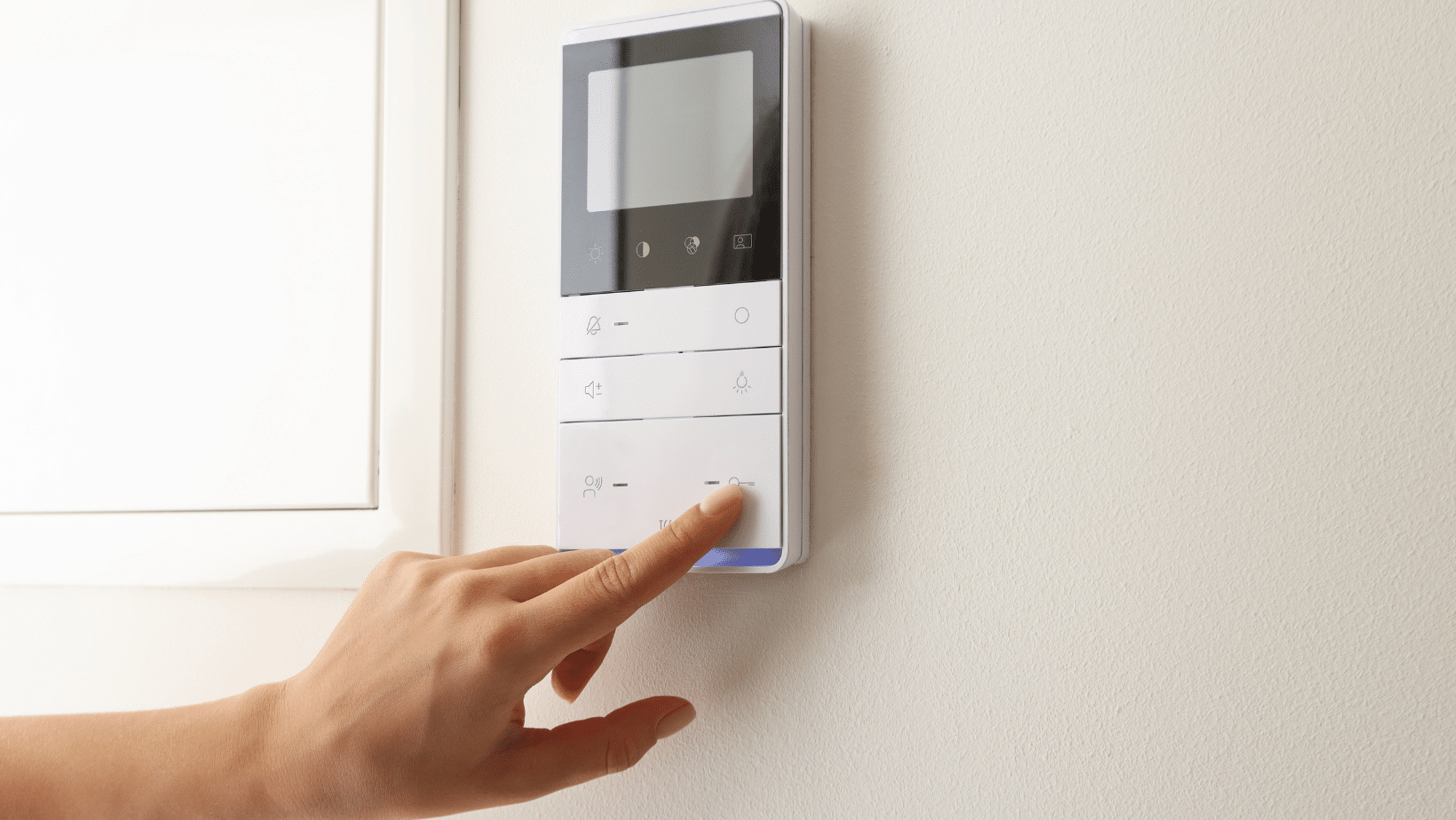
When every process in your home is streamlined into one well-designed system, it can be monitored at a glance by your installer. That’s more valuable than personally troubleshooting disconnected systems you’ve bought on the internet.
Professional installers don’t treat your smart home as an ‘adventure’, instead taking a level-headed, even-handed approach to simplifying your life. They think about how your home will operate long term, ensuring that the infrastructure holds up for additions or changes you want to make down the line.
A particular benefit of the system infrastructure I work with is that it keeps your data safely within your home, not in cloud storage. I’m also a big advocate for good password hygiene. That means not writing them down on a piece of paper, or on unsecured apps. Your home is far more likely to be ‘hacked’ because of bad password hygiene than a specific targeting of your system by cybercriminals.
Good professional service means your software won’t become so outdated that it’s a gateway for hackers. The problem with settling for smart technology you can buy online is that your system becomes disjointed and difficult to use, requiring multiple rounds of updates across multiple apps. It’s with these products that the real risk of technology being made redundant lies.
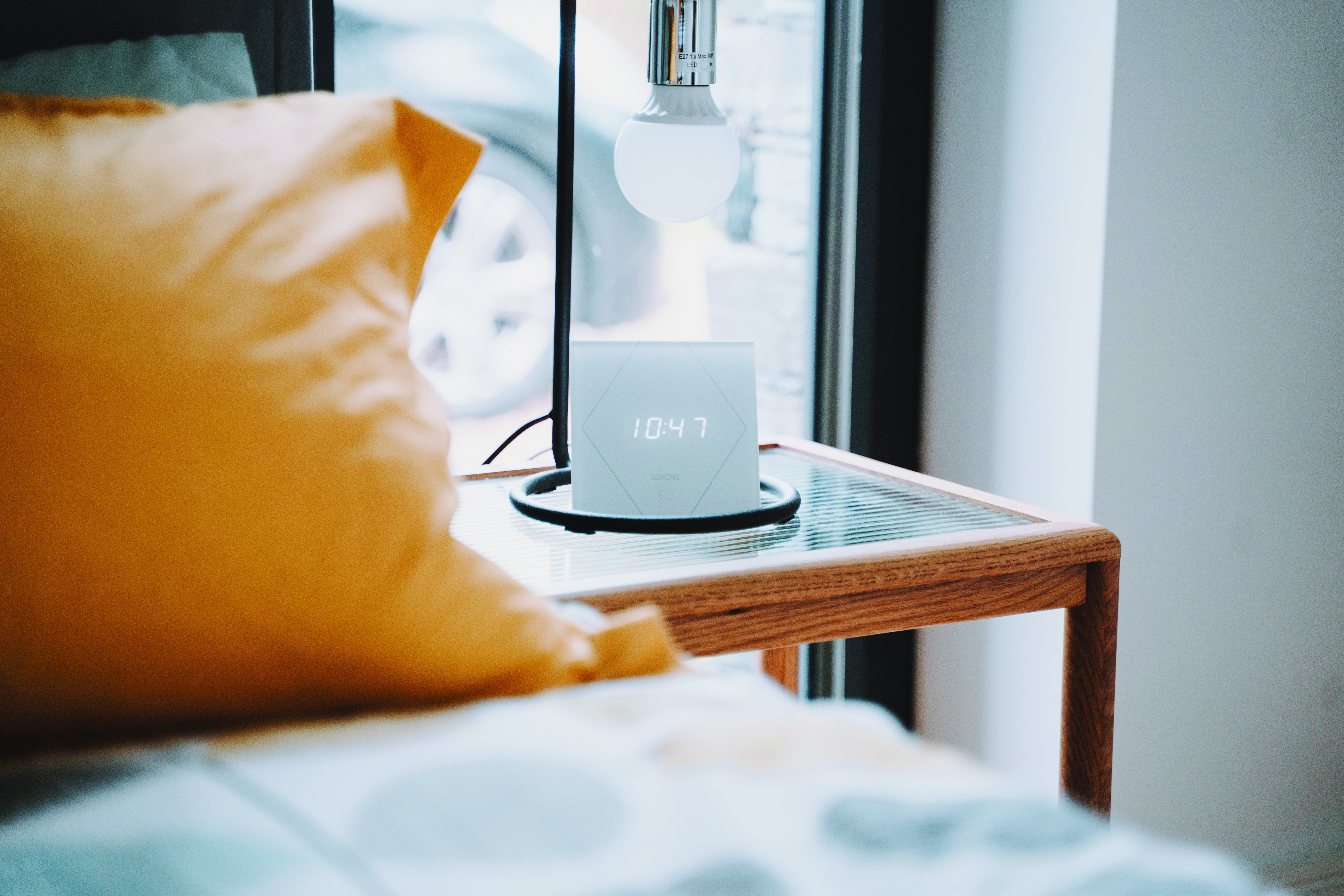
Having a professionally designed smart home instead increases your home’s security and longevity. Gone are the days of leaving keys under flower pots, as they’re swapped for single-use or time-limited access codes that are controlled by the homeowner.
And contrary to the article’s claims, it’s a failure on the part of your installer if you become a slave to your smart technology. Instead, in well designed, intelligent buildings, the technology stays out of sight, out of mind, bringing long-term benefits like energy savings to a home that’s easily controlled, elegant, and exactly right for you.