In this article we cover:
- What the two methods are
- Pros and cons of each
- Installation watchpoints
Q: I’ve gone with cavity wall construction and I need to insulate the inside of my cavity. What’s the best option?

Ciarán Says: There are two main ways to go about it, both of which require attention to detail when installing.
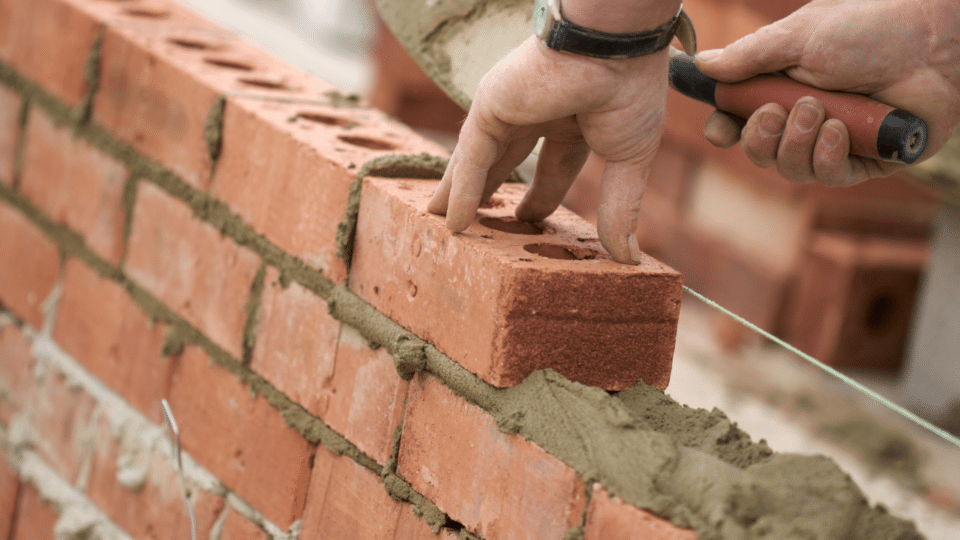
When deciding on insulation for a cavity wall, there are a number of factors to consider. Thermal performance, cost, ease of installation and personal preference. The most common method is fitting insulation (PIR) boards into the cavity as the blockwork is being built up. The second method is building the cavity wall uninsulated and pumping the insulation (in the form of EPS or expanded polystyrene beads) into the cavity afterwards.
PIR stands for polyisocyanurate which is derived from polyurethane. It has impressive thermal properties and also has excellent flame resistance and durability. As the wall is being built up, sheets of PIR are fixed to the inside of the internal wall. It is important that junctions around opes and corners are properly installed to prevent any thermal bridges. Not only can it cause heat to escape but also condensation if you have cold spots and warm air in the same place.

PIR boards have some of the best thermal properties, boasting conductivity values of as low as 0.019W/mK. The lower the conductivity value, the better the insulation is at preventing heat loss. With ROI’s current Part L U-values for walls of 0.18W/sqmK, achieving this regulation is possible with a 110mm PIR board in a 150mm cavity and two blockwork leaves on either side. This allows for a 40mm gap within the cavity to prevent the ingress of water into the home through the insulation causing dampness.
The other common method for insulating cavity walls is to pump the cavity with insulation beads after the blockwork is complete. This involves drilling a series of holes into the blockwork and pumping beads into the cavity. The advantage of this is the beads will flow into every nook and cranny and there should be no danger of gaps around opes or corners.
The beads would not have the same conductivity value as PIR boards. The conductivity value is typically 0.033W/mK. Therefore, to achieve the regulation of 0.18W/sqmK, you would need to make the cavity at least 200mm. This cavity would then be fully filled with the beads. With this method there is no gap between external wall and insulation. This could allow for the ingress of damp into the home however, especially in areas of high rainfall or driving rain. A roof overhang, to protect your externall from the elements, is always a good idea but especially so here.