In this article, we cover:
- How a Passive House could save almost £145,000 over 25 years
- The difference in heating costs between three building standards
- How green mortgage rates could affect long-term savings
- What happens when a Passive House costs more to build
- How to try the free cost calculator for your own project
Building a Passive House could save self-builders almost £145,000 in mortgage and heating costs over 25 years, according to new calculations by a Northern Ireland architect.
Gary Kelly, founder of Kelly Studio Architects in Co Fermanagh, has launched a free online calculator to help people planning a new home look beyond the initial build cost and see what they might end up paying over the years.
Called Three Standards, One House, the calculator compares the costs of building the same home to three different specifications: a house built to an illustrative Northern Ireland Building Regulations standard, one incorporating Passive House principles, and one designed to meet the requirements for full Passive House certification.
Users can change the house size, construction costs, mortgage rates and heating assumptions to see how these affect the figures. They can also explore the impact of spending more on the build, making mortgage overpayments or carrying out energy upgrades in the future.
Big savings if build costs are the same
In one example, the architect compares three versions of a 200 sqm house, each costing £400,000 to build. For the Building Regulations house, he assumes a mortgage rate of 5.89 per cent, giving monthly repayments of around £2,550 over 25 years.
For the Passive House, the calculator uses a lower rate of 4.39 per cent, based on an assumed green mortgage discount of 1.5 percentage points. This brings the monthly repayment down to around £2,198, saving £352 a month.
With a heat pump installed, the Building Regulations house has an estimated first-year space-heating bill of £1,408. This falls to £880 for the house built using Passive House principles and just £330 for the Passive House.
Over 25 years, allowing for heating costs to rise by 3 per cent annually, the Building Regulations house would cost an estimated £51,335 to heat, compared with £12,032 for the Passive House. That’s a saving of around £39,303 on heating alone. Add in the £105,584 saved in mortgage interest through the assumed lower rate, and the total saving comes to £144,887 over 25 years.
Photos © Kelly Studio Architects 2026
It’s important to point out that these figures assume all three homes cost the same to build. They also leave out optional costs such as ventilation, equipment replacement and Passive House certification.
The figures suggest that the mortgage rate could make an even bigger difference to the overall cost than savings on heating bills. In the £400,000 example, nearly three-quarters of the total saving comes from the assumed lower mortgage rate.
“Most people compare homes on what they cost to build. What really matters is what you pay every month for the next 25 years,” Kelly said.
When passive houses costs more
The calculator also looks at what happens when the higher specification comes with a bigger price tag. In a more cautious set of examples, where the Passive House costs 5 per cent more to build, receives no green mortgage discount and includes ventilation and equipment costs, it works out at a median of around £35 a month more than the Building Regulations house.
However, testing the calculator across 316,800 different combinations of house sizes, building costs, mortgage rates, heating fuels and other options, the Passive House came out as the cheapest of the three in 93 per cent of these modelled scenarios, including every case where the assumed green mortgage discount was applied.
These are test scenarios rather than a representative sample of real homes, and Kelly is careful to point out that the figures are illustrations, not guaranteed savings. The mortgage rates used are assumptions rather than actual offers, and whether a self-builder qualifies for a green mortgage discount will depend on the lender and the mortgage product.
It also estimates that a Passive House could produce 77 per cent less carbon dioxide emissions from space heating, with annual emissions of just 196kg compared with 836kg for the Building Regulations house, based on the model’s assumptions.
Open house
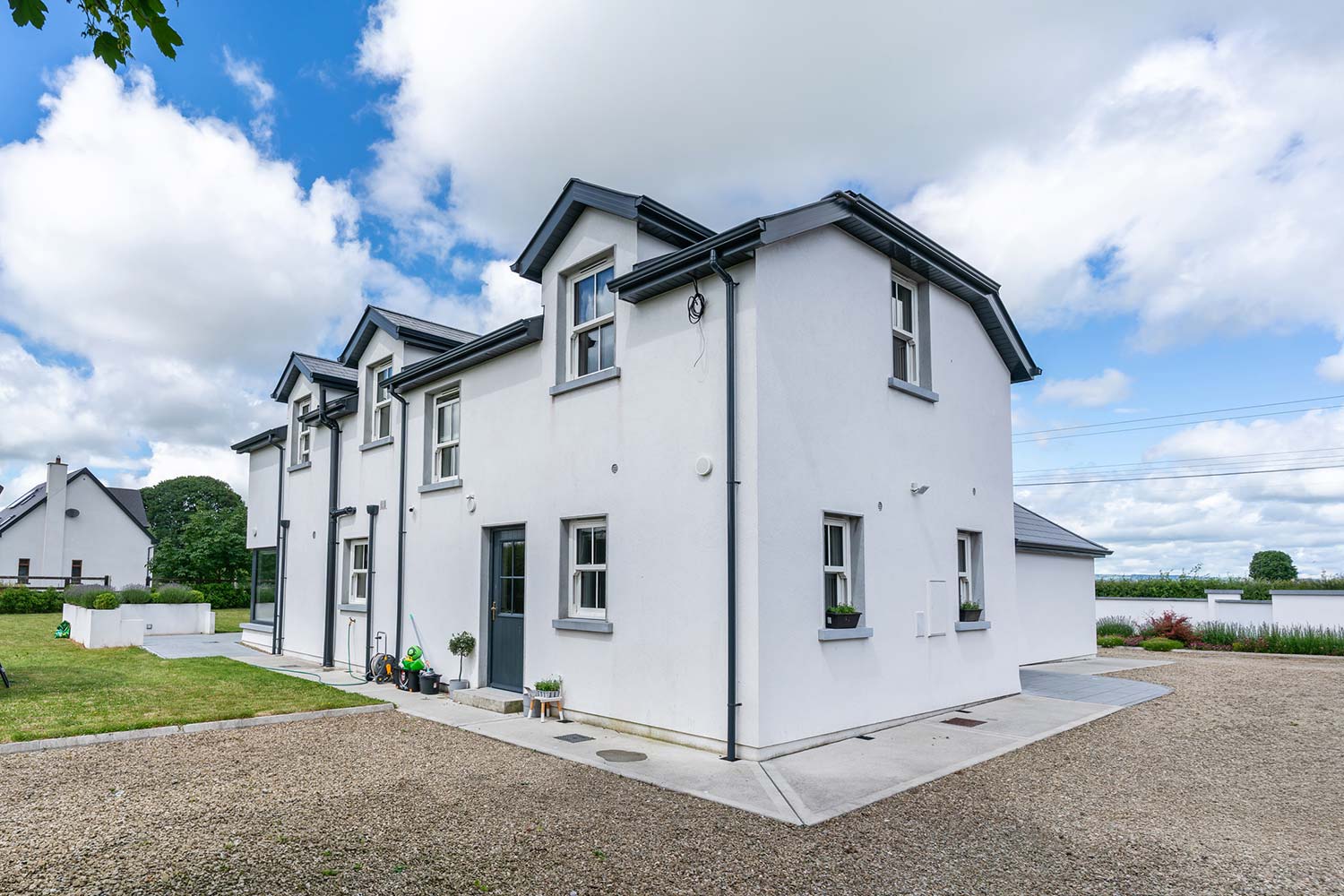
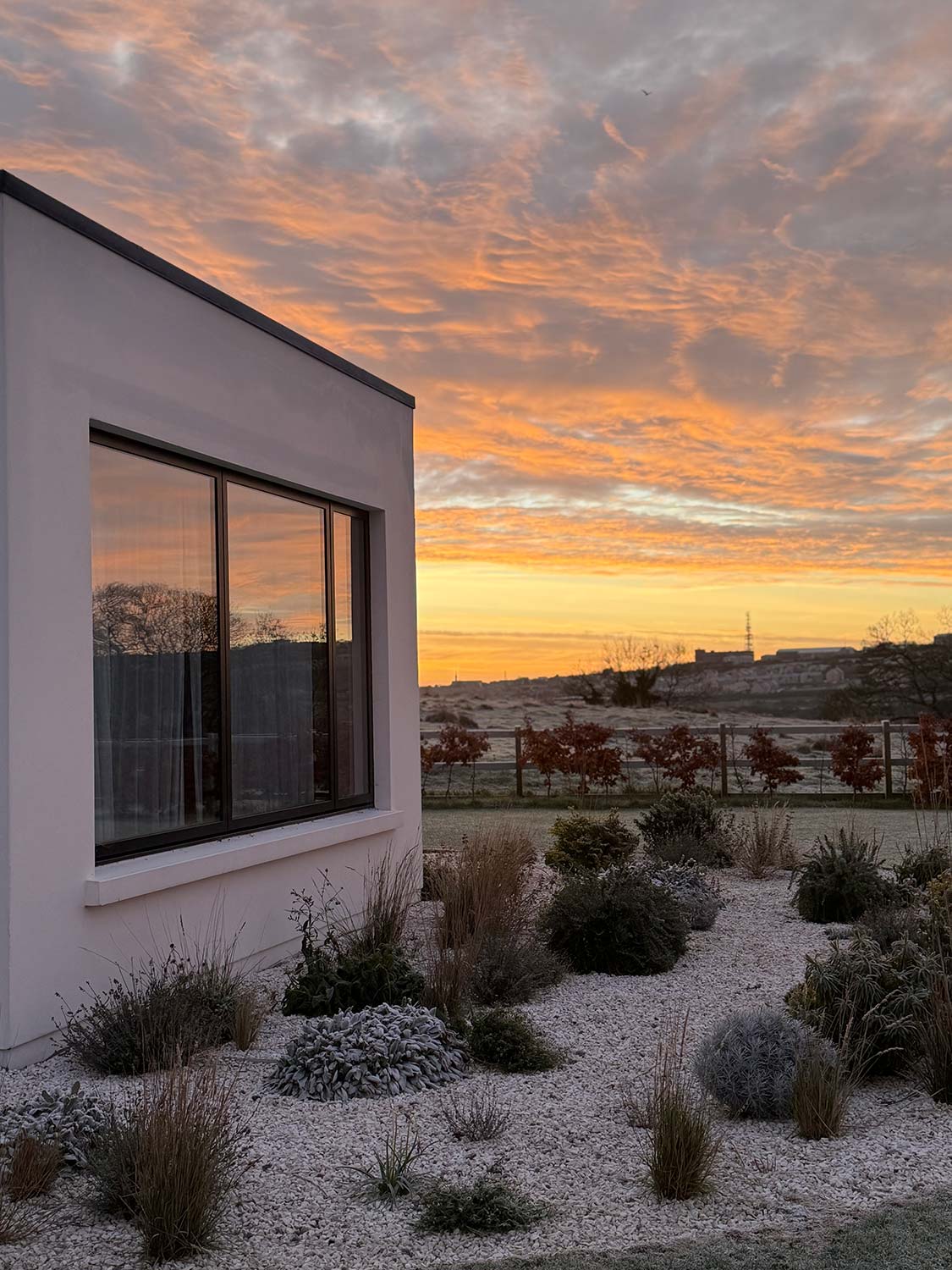
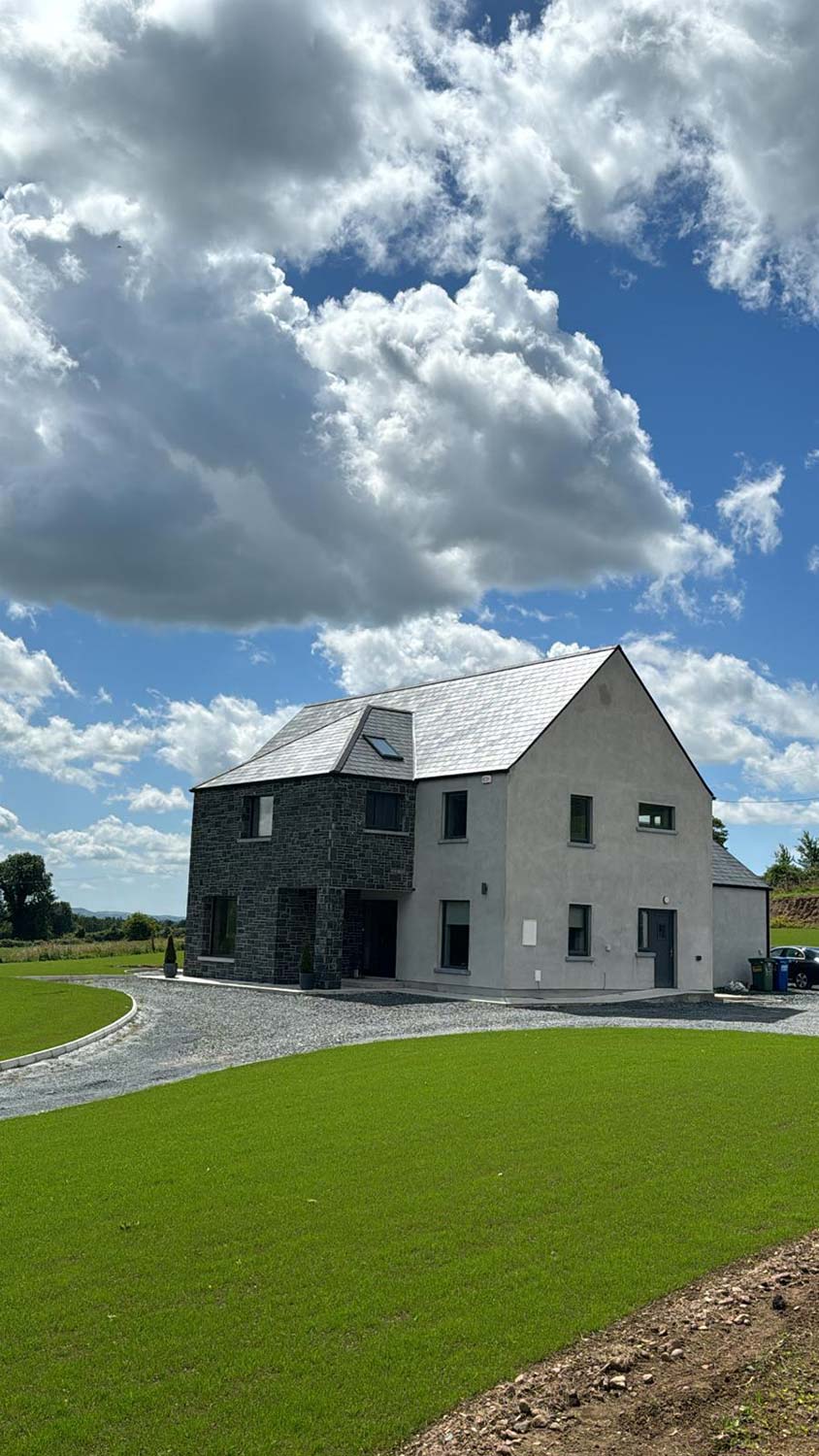
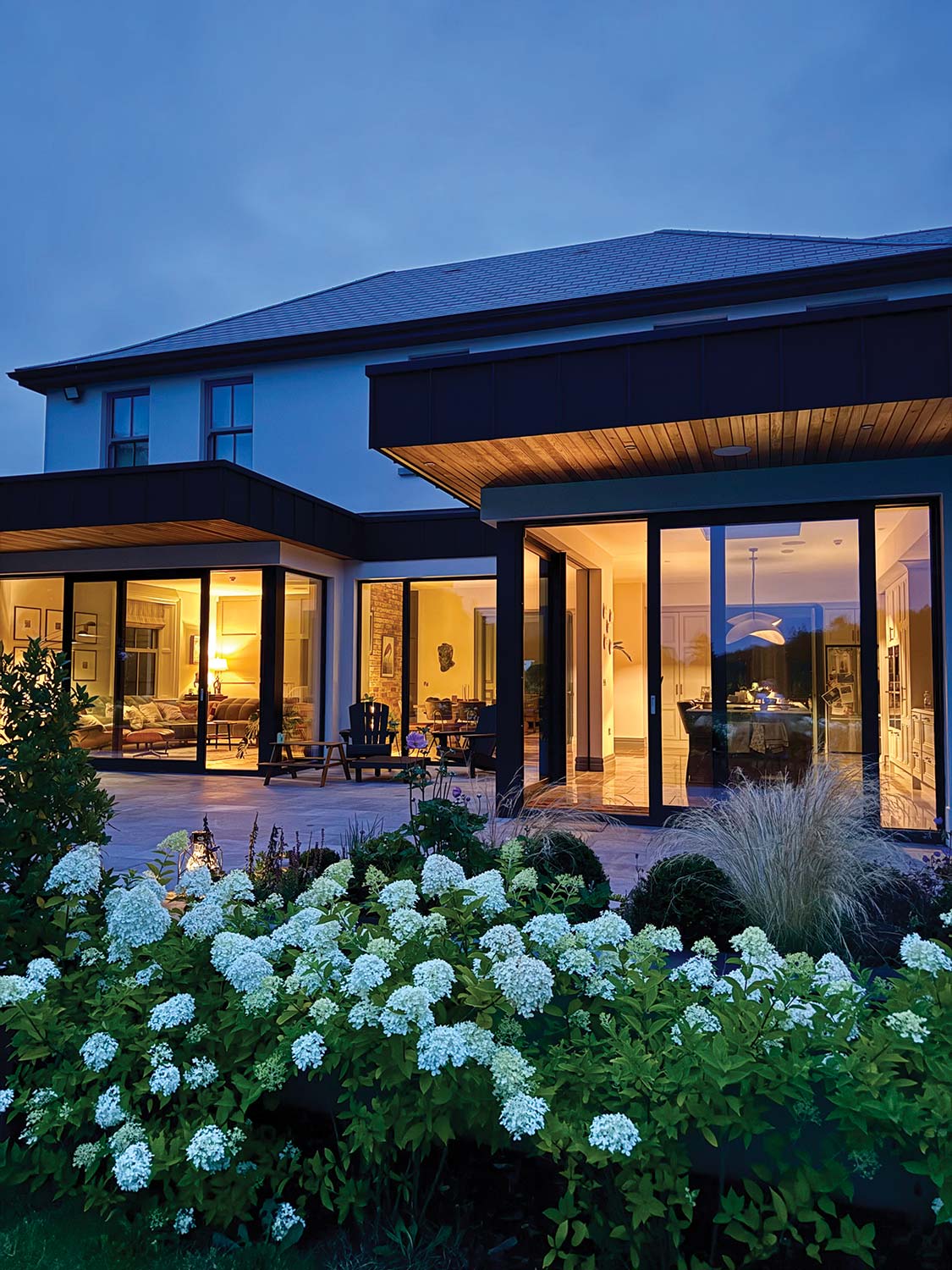
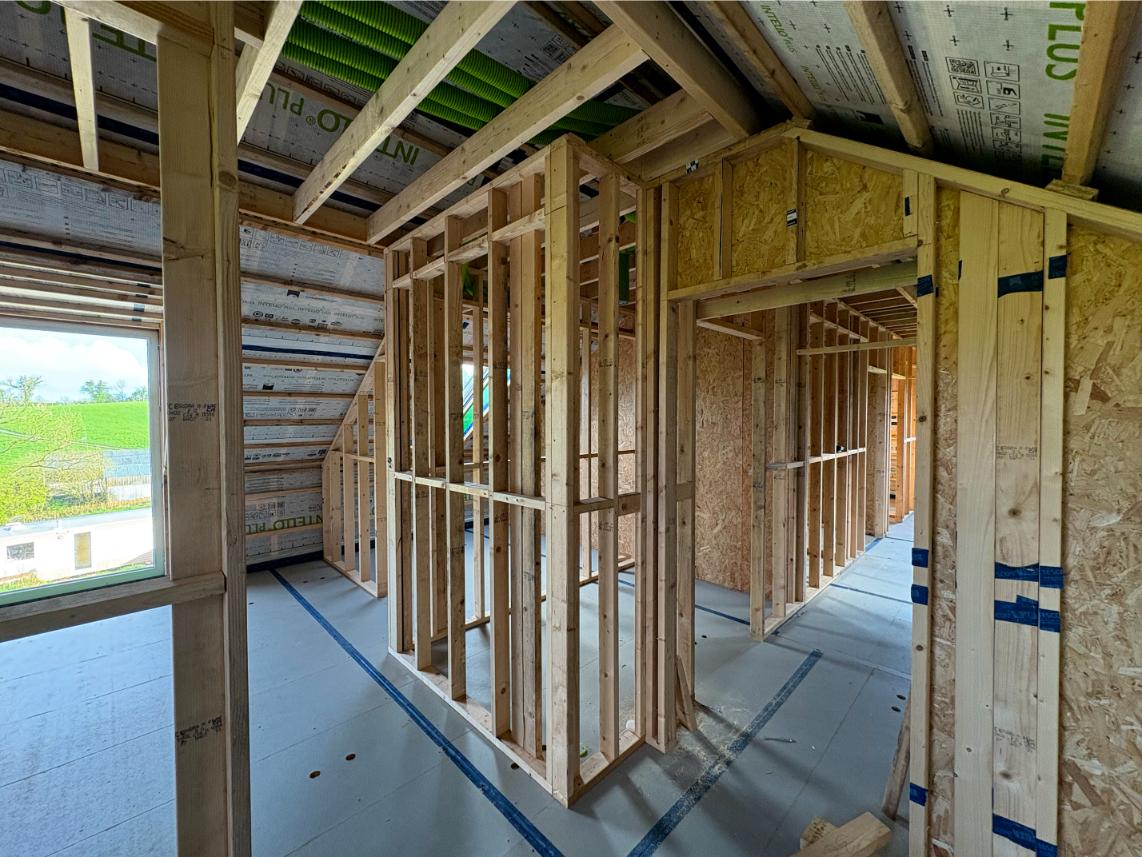
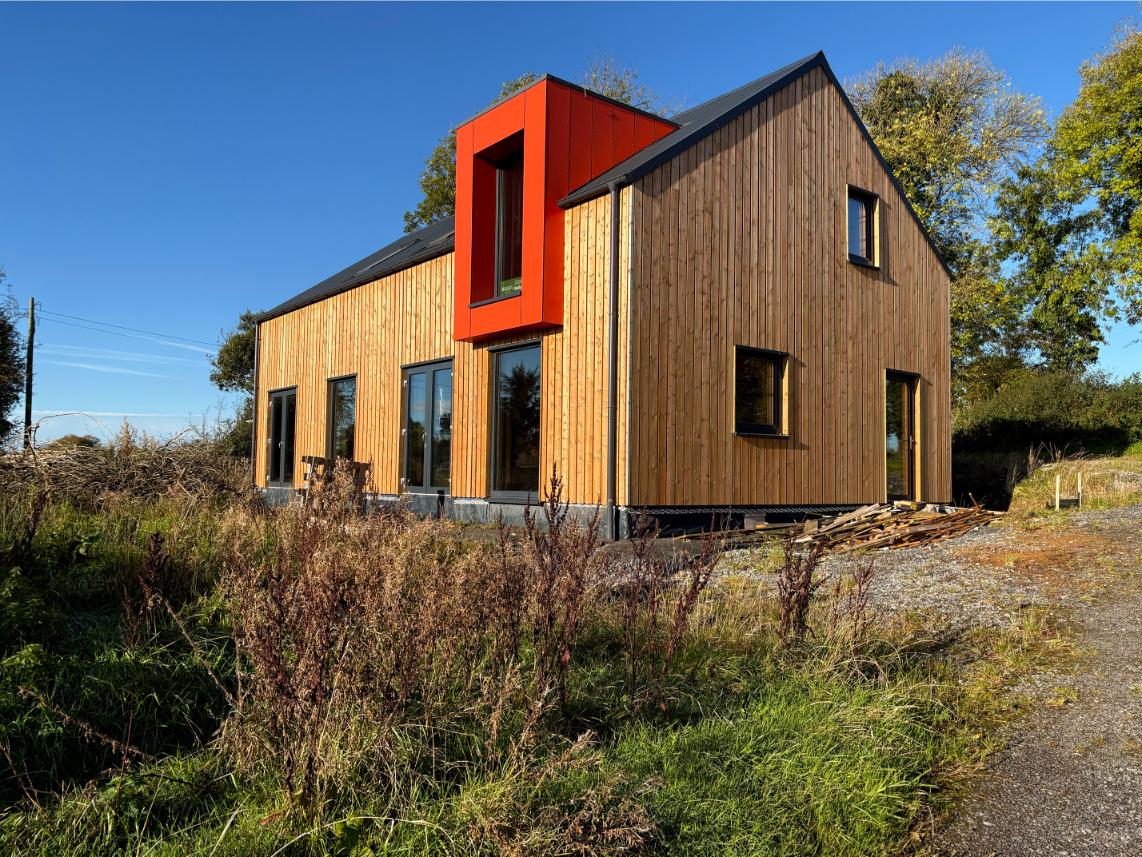
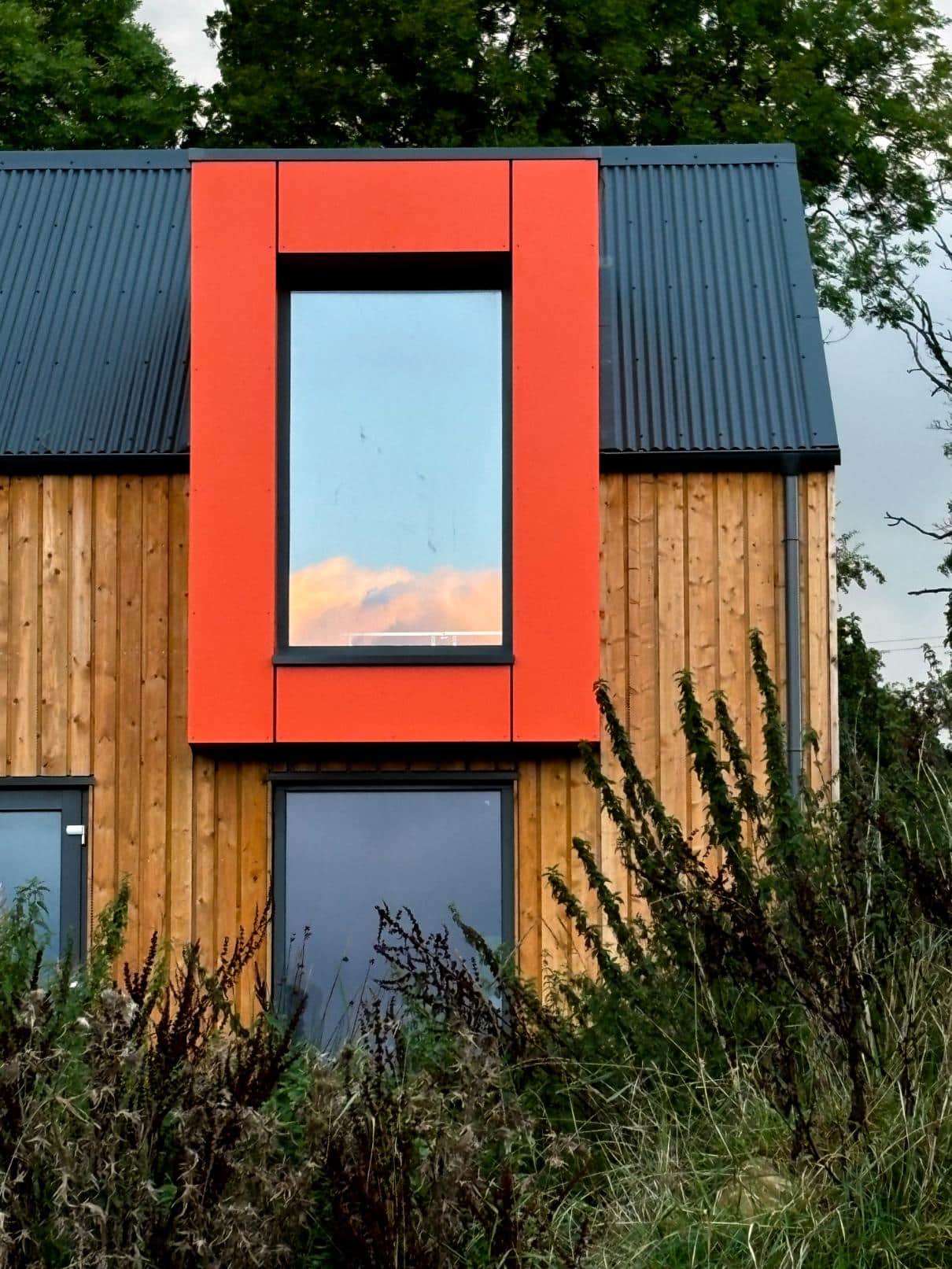
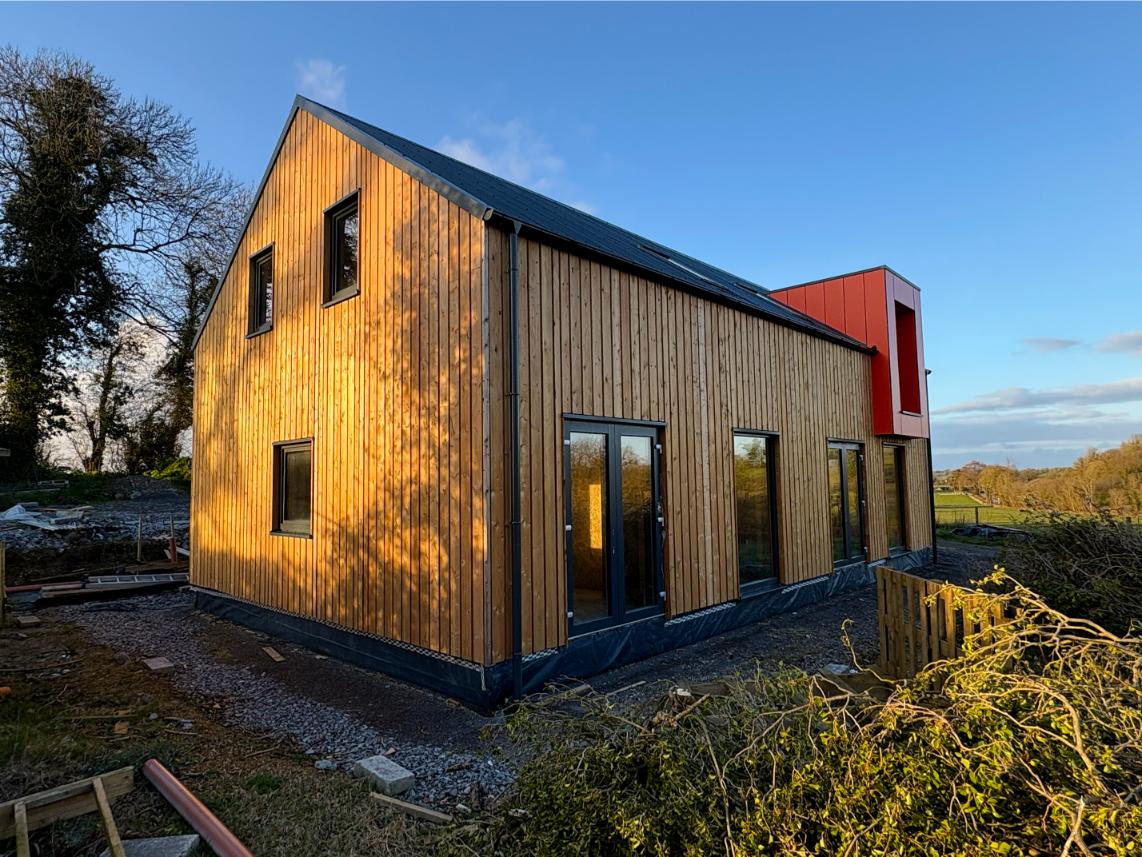
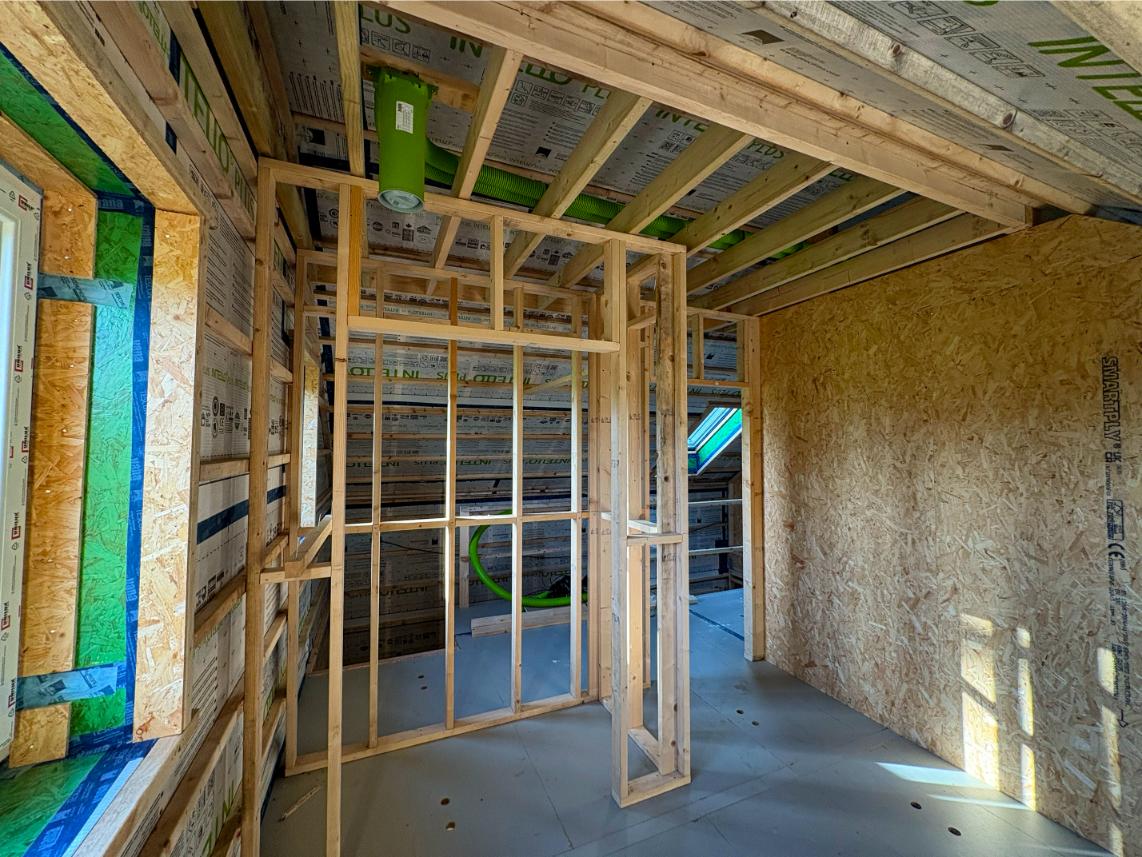
The architect is opening the doors of his own newly built Passive House in Newtownbutler, Co Fermanagh (pictured), as part of the International Passivhaus Open Days (which run from November 13th to 15th).
The house, which is aiming for full Passivhaus certification, will be open to visitors on Saturday, November 14, from 2pm to 3.30pm.