In this article we cover:
- Grant approvals jump by almost 74 per cent in one year
- Septic tanks grants: who qualifies
- Septic tank inspection results for 2025 and why almost six in 10 failed
- How faulty septic tanks can affect private wells, rivers and streams
- Progress on fixing older failed systems and where enforcement still falls short
Nearly 60 per cent of the septic tanks inspected in Ireland last year failed the test, the Environmental Protection Agency (EPA) warns in its latest annual report on domestic waste management treatment systems, a situation that is putting private wells, rivers and streams at risk.
According to the report, since inspections began in 2013, a total of 7,212 septic tanks have failed inspection.
However, by the end of 2025, 84 per cent of those had been fixed, up from 82 per cent at the end of 2024. The number of older unresolved cases also fell from 523 in 2024 to 442 in 2025.
The EPA says this improvement is partly thanks to a higher uptake in grants.
The number of grants awarded to help homeowners fix faulty systems jumped by over 70 per cent: there were 460 grants awarded in 2025 up from 265 the previous year.
A key change introduced in January 2024 increased the maximum grant for remediation work from €5,000 to €12,000. The rule requiring systems to have been registered before 2013 was also scrapped, making the support more widely available.
Overall, the total support paid out to homeowners almost doubled, as grant funding rose from nearly €2.5 million in 2024 to nearly €4.77 million in 2025.
However, the EPA warned that more consistent enforcement is still needed. Nine local authorities had resolved less than 80 per cent of their advisory notices by the end of 2025, meaning too many faulty septic tanks are still posing a risk.
Inspection plan
Local authorities carried out 1,466 inspections in 2025 under the EPA’s National Inspection Plan, compared with 1,390 in 2024. Of those inspected last year, 863 systems failed because they had not been built or maintained properly.
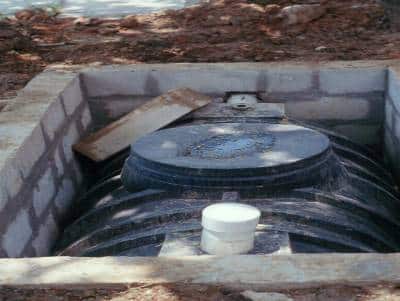
Septic tanks and other domestic wastewater treatment systems collect, treat and discharge wastewater from households that are not connected to a mains sewerage system. Many self-builders who build their home in the countryside need and onsite wastewater treatment system as few mains connections tend to be available.
Faulty systems can leak sewage and contaminate nearby drinking water wells. They can also pollute rivers and streams with nutrients such as nitrogen and phosphorus.
All septic tanks must be registered with local authorities who may inspect them to ensure they do not pollute waterways, soil and river streams.
Noel Byrne, EPA Programme Manager, said: “In 2025, 59 percent of inspected septic tanks failed. This is a worrying statistic, as many homeowners may be exposing their families to health risks from contaminated private wells, or polluting local rivers, often without realising it.”
He urged homeowners to carry out regular checks and routine maintenance to stop smaller problems becoming bigger and more expensive ones.
The report also notes that three local authorities – Donegal, Fingal and Wexford – fell short of their inspection targets in 2025 and will have to make up the shortfall in 2026.