In this article, we cover:
- What planners mean by “non-traditional homes” – from log cabins and modular units to timber-clad dwellings
- Why Kerry County Council has refused every log-cabin housing application it has received in the past 20 years
- The planning concerns most cited for refusal
- When An Bord Pleanála has overturned refusals – and what tipped the balance in those cases
- Why Kilkenny County Council granted retention for a timber-clad home built without permission
- What Minister Michael Healy-Rae has said about supporting log cabin and modular-style homes
- How proposed changes to planning exemption rules could affect garden cabins
Even with new national guidance on cabins, modular units and other small “garden homes” on the way, self-builders still face a common problem: that planning decisions for non-traditional homes vary widely from county to county.
This is especially clear in Kerry, where every log-cabin housing application has been refused in the past 20 years. In contrast, Kilkenny recently let a timber-clad home built without permission remain, but with certain conditions.
Minister of State and Kerry TD Michael Healy-Rae has said he “absolutely” supports allowing log cabin and modular-style homes, especially for people who cannot afford regular housing. He expects new national guidelines will make council decisions more consistent.
In planning terms, a “non-traditional home” is a broad category and includes:
- log cabins and Scandinavian-style timber houses
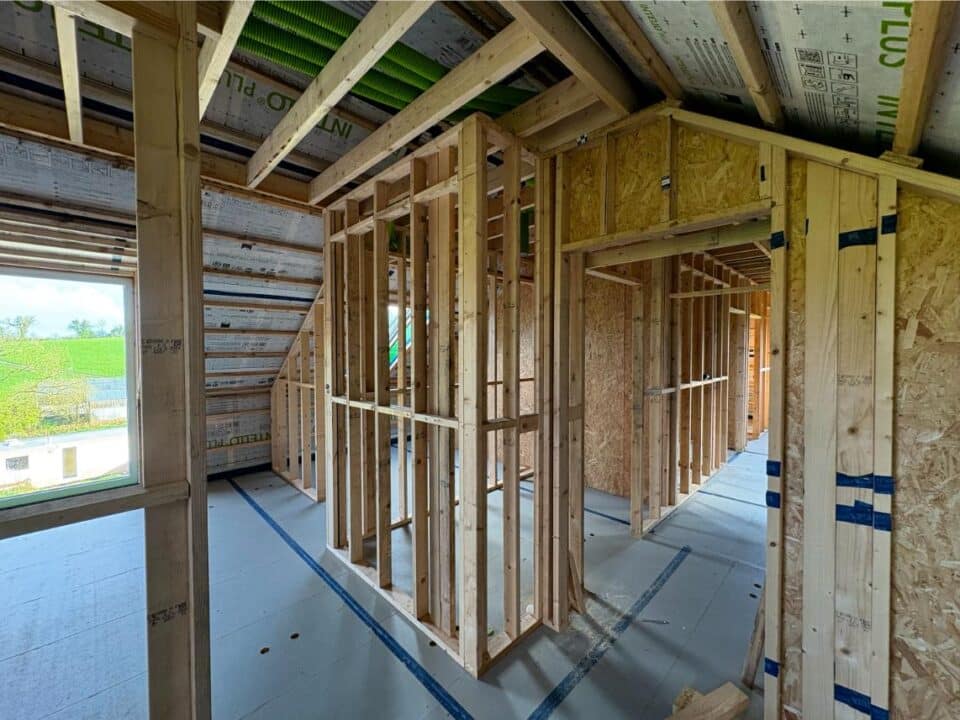
- modular and prefabricated homes
- garden cabins
- timber-clad dwellings that fall outside conventional block-and-render construction
Although these homes are often seen as faster or cheaper ways to get housing, they often face resistance during the planning process, especially in rural areas.
Kerry: repeated refusals
Most of those cases involved retention for homes already built without permission.
In many decisions, planners raised the same concerns:
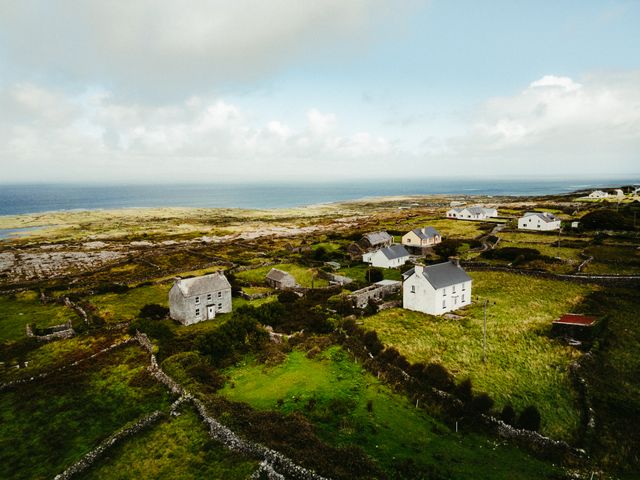
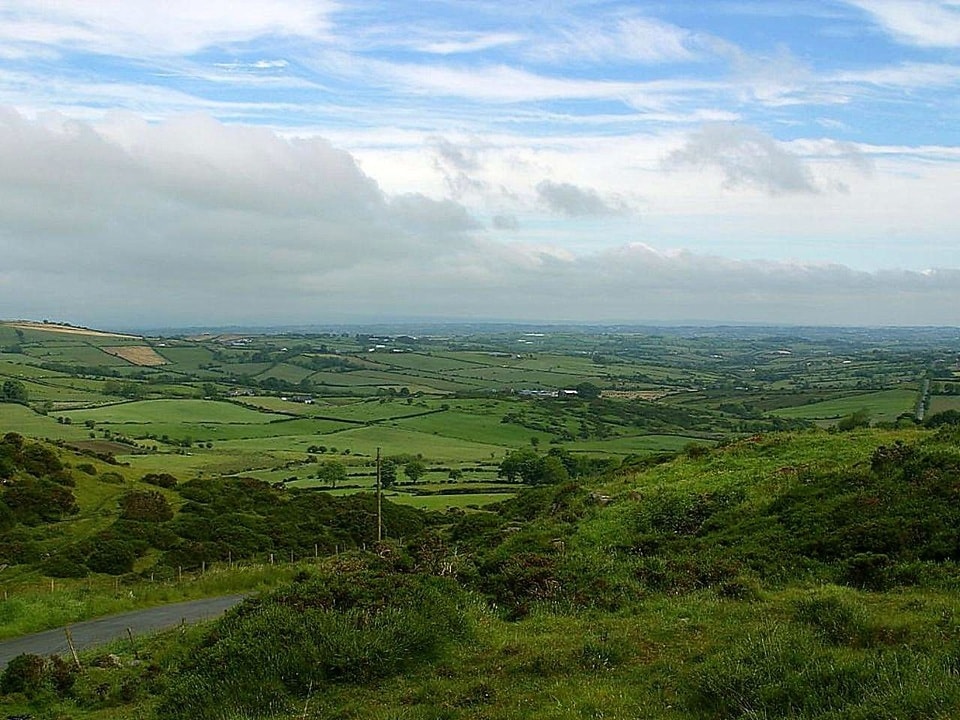
- impact on the rural landscape
- incompatibility with local house types and finishes
- conflict with the Building a House in Rural Kerry guidelines
- doubts over wastewater treatment and site suitability
- fear of setting an undesirable precedent
Even when applicants said cabins were the only affordable option, and even when they included proposed waste treatment systems, the council still refused permission.
Several decisions were appealed to An Bord Pleanála / An Coimisiún Pleanála, with mixed results. In two cases, the Board overturned the council’s refusal, focusing on factors like the small size of the home, existing residential use of the site and the location in less populated rural areas.
Minister Michael Healy-Rae has been vocal in his support for permitting non-traditional homes, particularly timber and modular dwellings. “My attitude is that of course we should have it,” he said, referring to log cabin residences.
He has said that planners should look at applications based on need, especially when people need housing for a short time or cannot afford standard builds. He also mentioned that modern timber construction has improved and expects new national guidelines to allow exemptions for some cabins and modular homes.
He agreed that timber structures can look out of place on open green fields, but said wooded or sheltered spots are more suitable.
Kilkenny: retention granted
Unlike Kerry, Kilkenny County Council recently allowed Rebecca and Noel Somers to keep their timber-clad home, which was built without planning permission, at Newhouse, Thomastown.
The couple had spent years on the housing waiting list and said they built their home to give their family a “stable, permanent residence.” After getting a warning letter from the council, they applied to make the home official.
Granting retention, the council found that the development: “is considered acceptable in design and architectural quality, is in keeping with the pattern of development of the area and would not seriously injure the amenities of the area or of property in the vicinity”.
It also described the house as: “inconspicuous in the rural landscape and from the public road due to mature landscaping on site”.
The approval came with conditions, including rules about wastewater treatment.
Policy shift coming
This debate is happening as the ROI government reviews planning exemption rules for the first time in over 20 years. The proposed changes could let people build some garden cabins or modular units up to 45sqm without planning permission.
However, planners and housing charities have raised concerns about several issues:
- pressure on services
- enforcement difficulties
- “beds in sheds” becoming de facto rental units
- risks to vulnerable homeowners